








Tensions between a local business owner and the Windsor County Sheriff’s Department have escalated following the theft and subsequent recovery of a work truck, shedding light on the broader challenges of modern law enforcement in an era of tightening budgets and limited investigative resources.
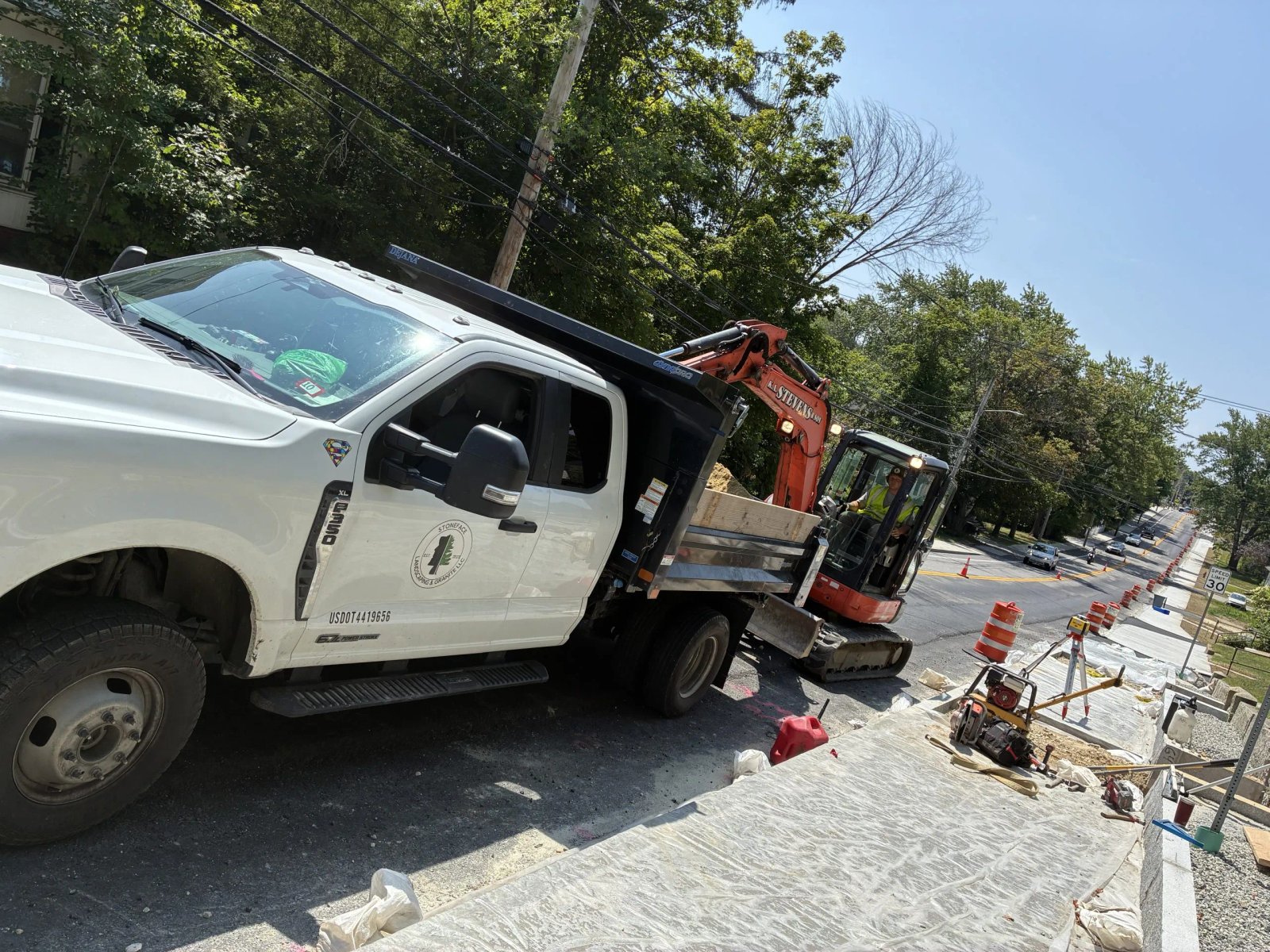
Neil Prive, the owner of Stoneface Earthworks, says his company is still reeling from the Oct. 15 theft of a 2023 Ford F-350 from a Bethel job site. While the vehicle was recovered the following day in Chelsea thanks to a subpoenaed GPS ping, the experience has left the business owner deeply dissatisfied with the investigative process. Prive claims thousands of dollars worth of tools were missing and that the truck showed signs of attempted mechanical tampering.
## The Digital Divide in Crime Investigation
The case highlights a growing disconnect between public expectations and the technological capabilities—or willingness—of local law enforcement to process digital evidence. Prive expressed frustration that the truck was never fingerprinted or processed for forensics. In his view, the inclusion of a mysterious note and a piece of carrot cake left behind by the thieves should have provided actionable leads.
However, Lieutenant Richard King of the Windsor County Sheriff’s Department—the lead investigator and a candidate for sheriff—pushed back against these criticisms. He stated that forensic processing is reserved for major felonies like homicides or rapes, not property crimes involving work vehicles that typically see high turnover in personnel.
“It’s not like you see on ‘NCIS’ where you enter the DNA into a computer and a name pops up,” King noted, emphasizing that the department had already gone “above and beyond” by locating the truck in the woods.
## Technology and Data Bottlenecks
The investigation also underscores the procedural hurdles involved in utilizing modern vehicle telematics. Prive noted that even though his company reached out to Ford to locate the vehicle, the manufacturer required a formal police subpoena before sharing real-time GPS data. This reliance on corporate data-sharing policies creates a bottleneck, delaying the ability of officers to act when a vehicle is still moving or abandoned nearby.
Furthermore, the case reflects a national trend: vehicle theft clearance rates have plummeted significantly over the last several decades. Data from the Council on Criminal Justice indicates that fewer than one in five vehicle thefts are cleared today, a steep decline from 26% in 1964. As law enforcement agencies face growing pressures, the prioritization of resources toward violent crime often leaves business owners like Prive feeling left to navigate insurance claims and equipment replacement costs alone.
## A Call for Accountability
While Prive acknowledged that insurance will likely cover the bulk of the financial losses—estimated between $15,000 and $50,000—he remains adamant that the issue is one of basic accountability. For the small business owner, the lack of follow-up on potential evidence, such as security footage from a local store where the carrot cake was allegedly purchased, represents a failure of the investigative mandate.
For now, the case remains officially “active and ongoing,” though King insists the primary delay is the company’s failure to provide a comprehensive, detailed inventory of the missing tools. As Prive continues to compile his list, the case serves as a stark reminder of the limitations of local investigative bandwidth and the growing gap between high-tech vehicle capabilities and the traditional police work required to solve property crimes.
Disclaimer: This content is auto-generated for informational purposes only.
Source: Read Original News