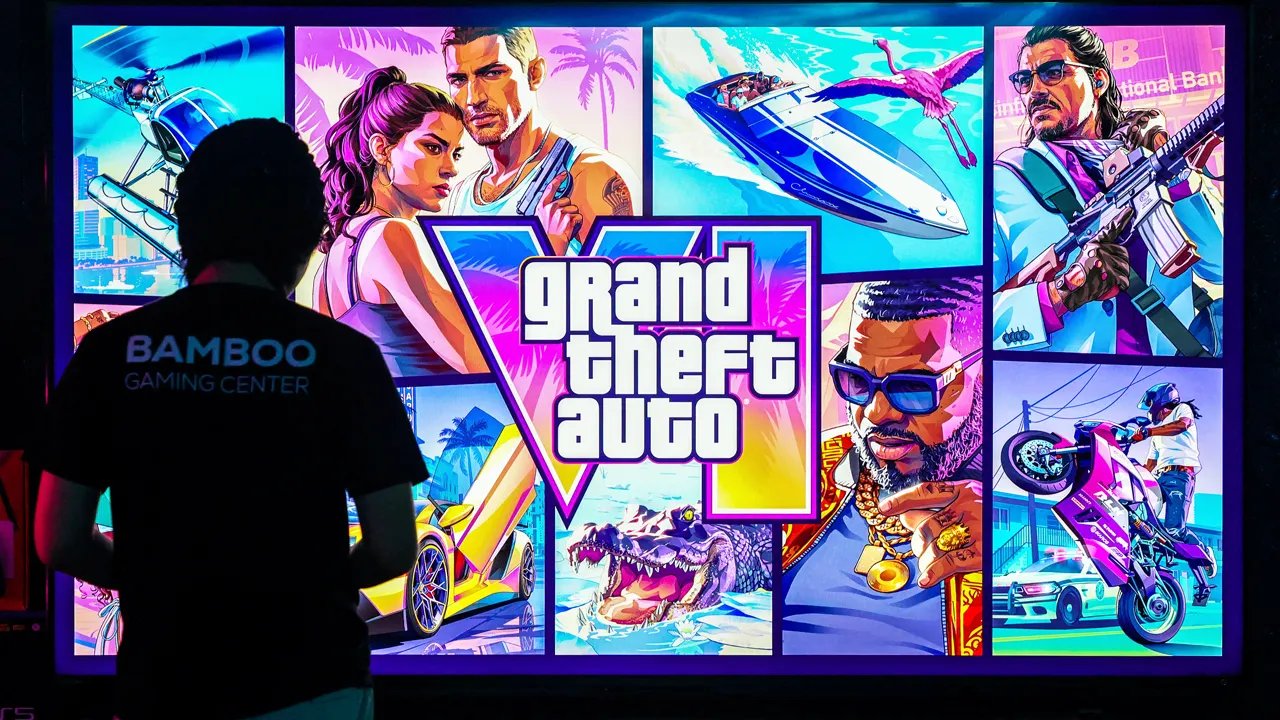








The Cultural Phenomenon of Grand Theft Auto VI
The anticipation surrounding the release of Rockstar Games’ Grand Theft Auto VI has transcended traditional marketing cycles, evolving into a pervasive digital culture defined by intense scrutiny and communal humor. As the gaming community awaits the next iteration of this sprawling open-world franchise, the void left by years of development silence has been filled by an unprecedented volume of user-generated content. This phenomenon highlights a significant shift in how audiences interact with long-lead-time software projects.
Beyond the technical advancements expected in the game, the discourse has coalesced around a series of memes that reflect both the impatience and the reverence held by the player base. These digital artifacts serve as a social shorthand for the complexity of modern triple-A game development. By analyzing the humor circulating online, one gains insight into the high expectations placed upon Rockstar Games to deliver a product that sets a new industry standard for graphical fidelity, physics-based interactions, and narrative depth.
Technical Expectations and Hardware Challenges
At the core of the discussion lies the massive leap in technical architecture required to power Grand Theft Auto VI. Players frequently joke about the necessity of upgrading their hardware, suggesting that current-generation consoles and even high-end personal computers might struggle to render the scale of the game’s simulated environment. These jokes often center on the perceived heat output of gaming rigs or the requirement for massive storage space, underscoring a genuine curiosity about how the engine will manage assets in real-time.
Rockstar Games has historically pushed the limits of the hardware available at the time of their releases. The memes regarding the game’s hardware demands are rooted in a reality where the fidelity of ray-traced reflections, pedestrian artificial intelligence, and fluid dynamics require significant computational overhead. As developers seek to create a seamless experience without loading screens, the humor reflects the industry-wide focus on optimization and the challenge of balancing visual spectacle with playable frame rates.
The Lifecycle of Digital Anticipation
The extended timeline between the announcement and the eventual launch has created a unique dynamic in the gaming industry. For many, the humor surrounding the title acts as a coping mechanism for the prolonged waiting period. These jokes often juxtapose the aging of the fanbase with the slow progress of production, creating a narrative that characterizes the game as an elusive, legendary entity. This type of community engagement effectively maintains visibility for the title without the need for active advertising campaigns.
From a sociological perspective, this content generation serves to sustain interest during development droughts. By turning the wait into a series of recurring jokes, the community establishes a shared identity. This engagement does not merely reflect frustration; it represents a commitment to the franchise. The memes themselves have become a secondary product of the game’s development, proving that a brand can maintain relevance through communal interaction long before the final software build is made public.
Impact on Modern Game Development Communication
The proliferation of online commentary has influenced how studios communicate with their audiences. With the prevalence of leaks and high-resolution trailers being dissected frame-by-frame, developers must navigate a landscape where every image is subject to intense community analysis. This environment places immense pressure on creative teams to ensure that marketing materials represent the final quality of the game accurately. The memes serve as a barometer for this pressure, highlighting where the public’s focus lies—usually on graphical improvements, character movement, and the interactive density of the city.
This scrutiny encourages a move toward more transparent development cycles, though Rockstar Games continues to favor a strategy of selective information release. The resulting gap is filled by the public imagination. When the studio finally provides concrete information, it is often met with massive analytical output, creating a loop where the developer’s formal updates are filtered through the lens of community-driven speculation and digital satire.
Societal Commentary and Virtual Satire
Grand Theft Auto has always functioned as a mirror to modern society, and the memes surrounding the sixth installment are no exception. Users frequently create images or videos that satirize the real-world events that the game might eventually parody. By pre-emptively satirizing current trends, political events, and consumer habits, the community is essentially engaging in the same type of cultural commentary that defines the franchise’s narrative identity.
This creative output demonstrates a deep understanding of the game’s core themes. The humor is rarely random; it often targets the absurdity of modern life, which aligns with the game’s established tone. As developers incorporate more advanced simulation features, such as dynamic weather systems or complex AI traffic patterns, the memes reflect the players’ desire for a world that feels as chaotic and reactive as the one they currently inhabit. The game is viewed not just as a piece of software, but as a digital playground where the logic of reality is suspended in favor of high-octane entertainment.
The Future of Triple-A Engagement
As the release date approaches, the tone of the online discourse will likely shift from anticipation to critical assessment. The success of Grand Theft Auto VI will ultimately be measured by its ability to meet or exceed the lofty standards established by its predecessor. However, the current period of meme-making and community speculation will remain a notable case study in digital marketing and audience retention. It underscores the idea that a software product is more than just code; it is a cultural touchstone that gathers its own momentum long before it reaches the consumer.
The trajectory of this project suggests that for future blockbuster titles, the relationship between developers and the public will be increasingly defined by these digital dialogues. Whether through creative parody or technical critique, the audience is no longer a passive recipient of media but an active participant in shaping the narrative around the product. This evolution ensures that even before a single disc is sold, the game has already established its position as a defining artifact of the current era of interactive entertainment.
Disclaimer: This content is auto-generated for informational purposes only.
Source: Read Original News