









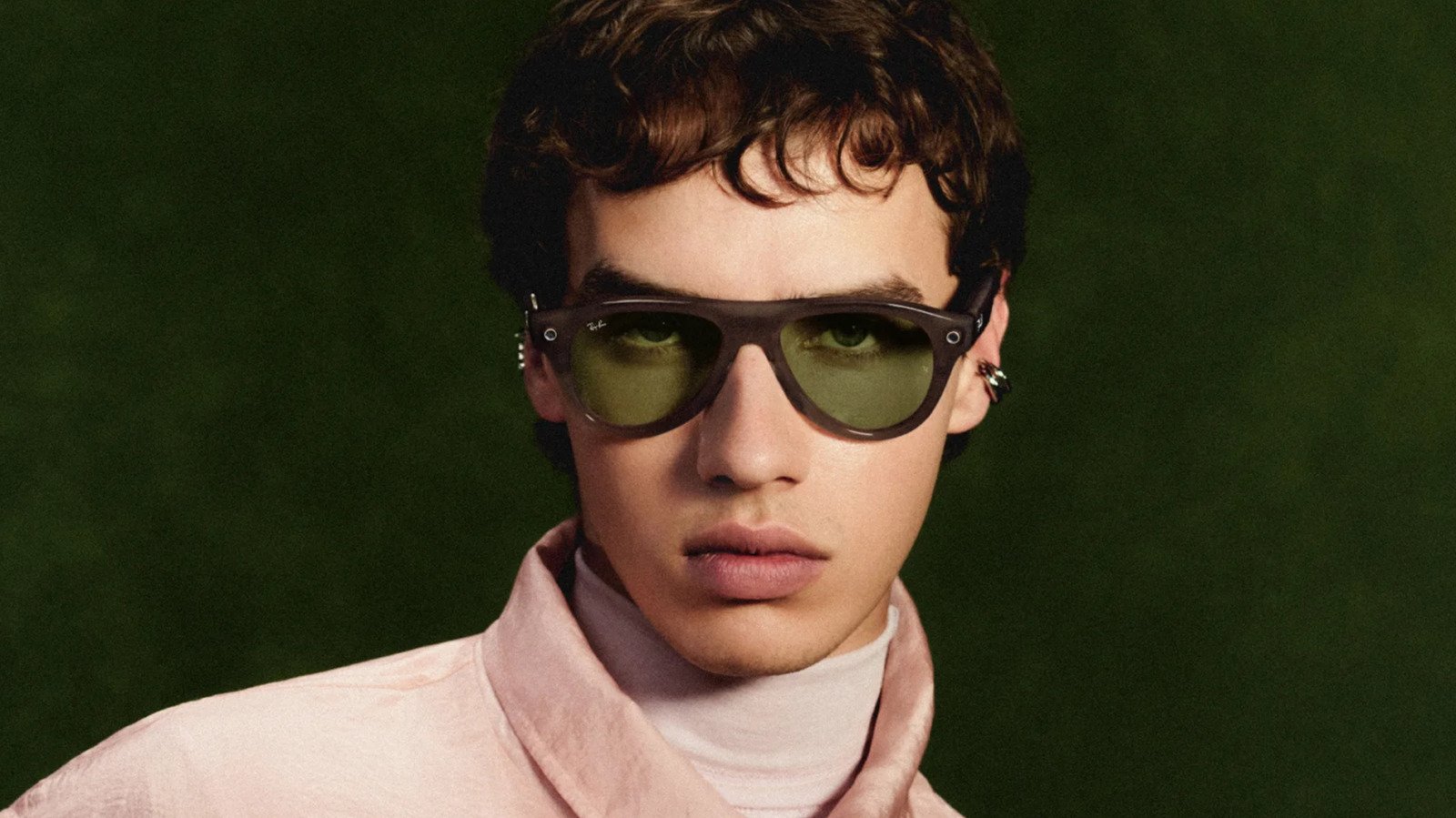
The Ray-Ban Meta Gen 3 last longer and listen better
The most significant engineering adjustments in the Ray-Ban Meta Gen 3 center on power management and audio capture. Meta has successfully extended the battery life of the device, with the new model offering up to 9 hours of continuous use on a single charge. This represents a modest one-hour improvement over the Gen 2 hardware. When accounting for the charging case, the total battery capacity reaches 50 hours, an increase of two hours compared to the previous generation’s 48-hour limit. While these marginal gains appear incremental, they reflect an ongoing effort to improve the power efficiency of wearable AI devices.
Audio hardware has also seen a revision. The Gen 3 features an upgraded six-microphone array, up from five in the previous generation. By reconfiguring the spatial placement of these microphones, Meta aims to improve background noise suppression during phone calls and voice interactions with the built-in AI. A notable addition for the Gen 3 is forthcoming support for recording and listening to Dolby Atmos spatial audio, slated for release later in 2026. Furthermore, Meta has integrated a multi-purpose action button, a feature previously piloted in the Meta Optics and standalone Meta Glasses lines. Unlike the Gen 2 capture button, which was strictly tethered to the camera, this new hardware interface allows users to summon the Meta AI agent or execute customizable shortcuts with a single press.
The Ray-Ban Meta Gen 3 are smaller and available in new styles
Design remains a critical component of Meta’s strategy to position its wearable technology as a fashion-forward accessory rather than just a technical gadget. The Gen 3 lineup introduces two new distinct frame silhouettes. The Aviator model adapts the classic teardrop lens shape, providing a vintage aesthetic through thicker, high-quality frames available in various translucent and tortoiseshell colorways. Additionally, the Zena model offers a contemporary cat-eye profile, providing a different silhouette compared to the traditional Wayfarer style.
In terms of physical dimensions, the hardware has undergone a subtle downsizing. The standard Wayfarer Gen 3 model measures 129mm from hinge to hinge, a 2mm reduction compared to the 131mm width of the Gen 2. The temples have also been shortened slightly to 149mm, down from the previous 150mm. Interestingly, these refinements in size do not correlate to a reduction in mass; the Gen 3 weighs in at 51.5 grams, which is slightly heavier than the 51-gram Gen 2. This suggests that while the internal layout has been compressed to accommodate a sleeker profile, the added battery and microphone hardware accounts for the negligible weight increase.
Meta’s new software features are coming to older models
One of the most consequential aspects of the Gen 3 launch is that the primary software improvements are not exclusive to the new hardware. Meta has confirmed that its new AI-driven capabilities will be backported to the Gen 2 devices. This includes the high-profile integration of the Muse AI agent, a more conversational and context-aware interface designed to process complex visual and auditory inputs.
Furthermore, users of the Gen 2 will gain access to the new FDA-cleared hearing enhancement features, which utilize the microphone array and processing power to clarify speech in challenging environments. The device will also support dynamic photo capture, a software function that captures a burst of images at once, allowing the user to select the best frame after the fact. By keeping these software features platform-agnostic, Meta ensures a consistent ecosystem experience, though it simultaneously complicates the value proposition for the Gen 3.
Market positioning and the cost of upgrading
The Ray-Ban Meta Gen 3 debuts with a starting price of $449, reflecting a $70 premium over the initial launch price of the Gen 2. Given that many of the core functional improvements—such as AI agent capabilities and audio-processing enhancements—are available on the older hardware, the Gen 3 serves as an iterative update rather than a revolutionary leap.
For prospective users who have not yet invested in the Meta ecosystem, the Gen 3 offers the most refined iteration of the current technology, boasting superior battery longevity and expanded style choices. However, for current Gen 2 owners, the hardware modifications—while welcome—may not necessitate an immediate migration. As Meta continues to push the boundaries of wearable AI, the emphasis is clearly shifting toward software and platform services, effectively extending the lifespan of earlier hardware iterations while offering the latest design updates for new customers. The decision to upgrade will likely depend less on the marginal hardware enhancements and more on whether a user requires the specific aesthetic choices or the slight boost in daily battery uptime offered by the new model.
Disclaimer: This content is auto-generated for informational purposes only.
Source: Read Original News