









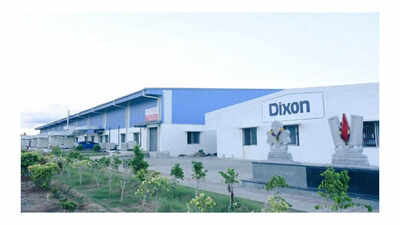
NEW DELHI: Govt approval for a manufacturing joint venture between China’s Vivo and Dixon Technologies could become the blueprint for how Chinese smartphone brands expand production in the country while navigating strict foreign investment rules.The approval clears a partnership first announced in Dec 2024, under which Dixon will own 51% of the venture and Vivo the remaining 49%. The JV will acquire certain manufacturing assets from Vivo, produce part of the company’s smartphones in India and can also manufacture electronic products for other brands. Dixon said that the partnership will further strengthen its “foothold in the Android smartphone ecosystem in India”.Industry experts said the structure could emerge as the preferred route for Chinese smartphone makers looking to scale local manufacturing under India’s investment framework for companies from neighbouring countries.The approval comes as India strengthens its position as a global smartphone manufacturing hub. According to MeitY, the country now produces around 330 million mobile phones annually, making it the world’s second-largest handset manufacturer. Counterpoint Research estimates smartphone production grew 8% in 2025, driven by a 28% rise in exports. Smartphone exports have climbed from about $200 million in FY18 to over $24 billion in FY26.Apple accounts for 57% of India’s smartphone exports by volume. In contrast, Chinese brands command 72% of the domestic smartphone market but contribute less than 10% of exports. The venture could add 20-22 million smartphones a year to Dixon’s manufacturing volumes based on Vivo’s current sales.“The JV is a win-win. It gives Dixon greater manufacturing scale and strengthens local value addition, while providing Vivo a policy-aligned structure with long-term operational stability,” said Tarun Pathak, research director at Counterpoint Research.