









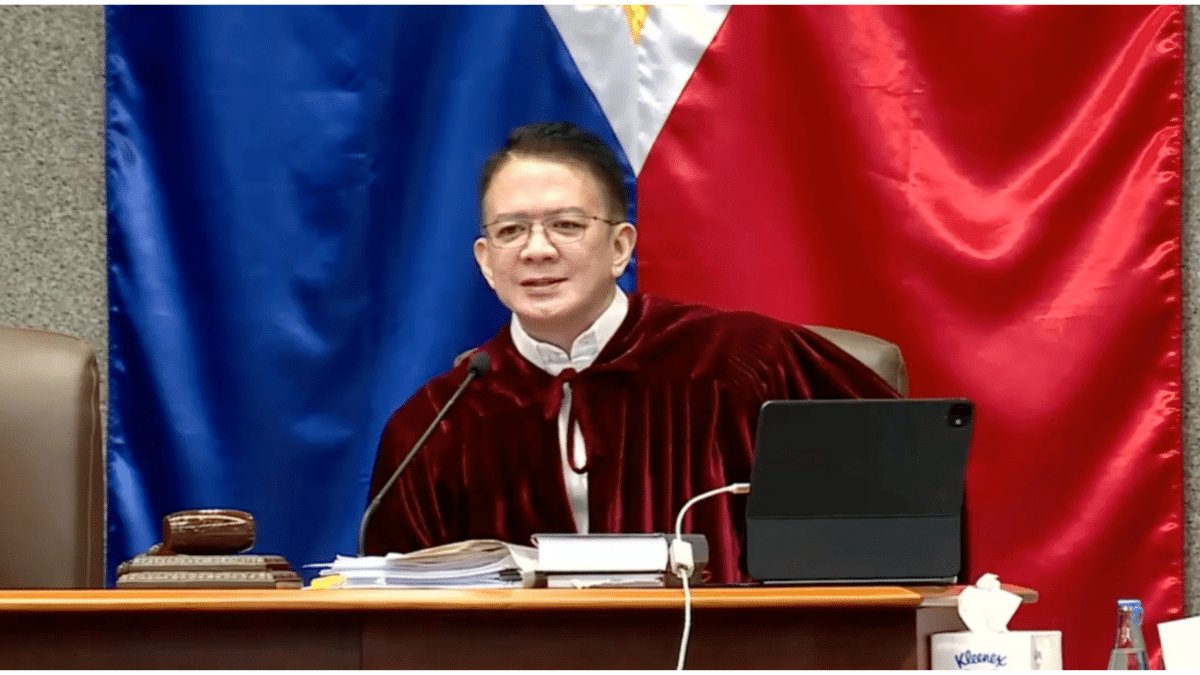
Senator Escudero Urges Timely Response in Legal Proceedings

MANILA – Senator Francis Escudero, a seasoned lawmaker and respected legal mind, issued a pointed reminder to defense counsels this week, underscoring the critical importance of promptly responding to communications from the prosecution concerning the stipulation of documents. The Senator’s call to action highlights a fundamental aspect of judicial efficiency and fair play within the legal system.
The stipulation of documents, a routine yet crucial part of pre-trial proceedings, aims to streamline trials by having both parties agree on the authenticity and admissibility of certain pieces of evidence. This process, when executed efficiently, can significantly reduce court time, avoid unnecessary arguments over uncontested facts, and allow the court to focus on genuinely disputed issues. However, delays or non-responses from one party can effectively derail these efforts, prolonging litigation and potentially hindering the swift administration of justice.
Senator Escudero reminded the defense counsel to respond to the prosecution’s messages concerning the stipulation of documents.
While the specific case or context prompting Senator Escudero’s reminder was not immediately detailed, his intervention suggests a potential pattern of delayed responses or an isolated incident that has caused procedural bottlenecks. As a former chairman of the Senate Committee on Justice and Human Rights, Escudero has consistently advocated for reforms that promote accountability and efficiency across all branches of government, particularly within the judiciary.
Legal experts commend Senator Escudero’s emphasis on this often-overlooked procedural aspect. “The stipulation of documents is not merely a formality; it’s a cornerstone of effective trial management,” explained Atty. Maria Elena Santos, a professor of procedural law at a prominent Manila university. “When defense counsels fail to respond in a timely manner, it forces the prosecution to go through the full, often arduous, process of formally proving every single document, even those that are clearly undisputed. This wastes court resources, delays justice, and can frustrate victims and litigants alike.”
The Senator’s statement implicitly calls on legal practitioners to uphold their professional duties not just to their clients, but to the broader justice system. The ethical obligations of lawyers include cooperating with opposing counsel when appropriate and adhering to procedural timelines to ensure the smooth functioning of legal proceedings.
In many jurisdictions, failure to respond to legitimate requests for stipulation can lead to various consequences, including judicial sanctions or, in some cases, the court deeming the documents stipulated by default. However, the ideal scenario involves proactive engagement and collaboration between opposing parties to resolve such matters amicably and efficiently, rather than relying on judicial intervention.
Senator Escudero’s reminder serves as a timely call for vigilance and professionalism within the legal community. As courts continue to grapple with burgeoning dockets and the imperative for swifter justice, adherence to fundamental procedural courtesies like responding to requests for document stipulation becomes even more critical. His advocacy underscores the notion that even seemingly minor procedural lapses can accumulate to create significant delays and inefficiencies, ultimately impacting public trust in the justice system.
The legal community is now expected to internalize this reminder, ensuring that lines of communication remain open and that pre-trial preparations, especially concerning document stipulations, are handled with the promptness and diligence they require. This proactive approach will undoubtedly contribute to more streamlined trials and a more efficient judicial process overall.