








West Hartford’s business landscape is undergoing a significant evolution this October, marked by high-profile restaurant accolades, new construction projects, and the shifting presence of major national chains. As the town continues to prioritize infrastructure development, local entrepreneurs are making their mark both on the ground and on the digital stage.
Culinary Excellence and Industry Recognition
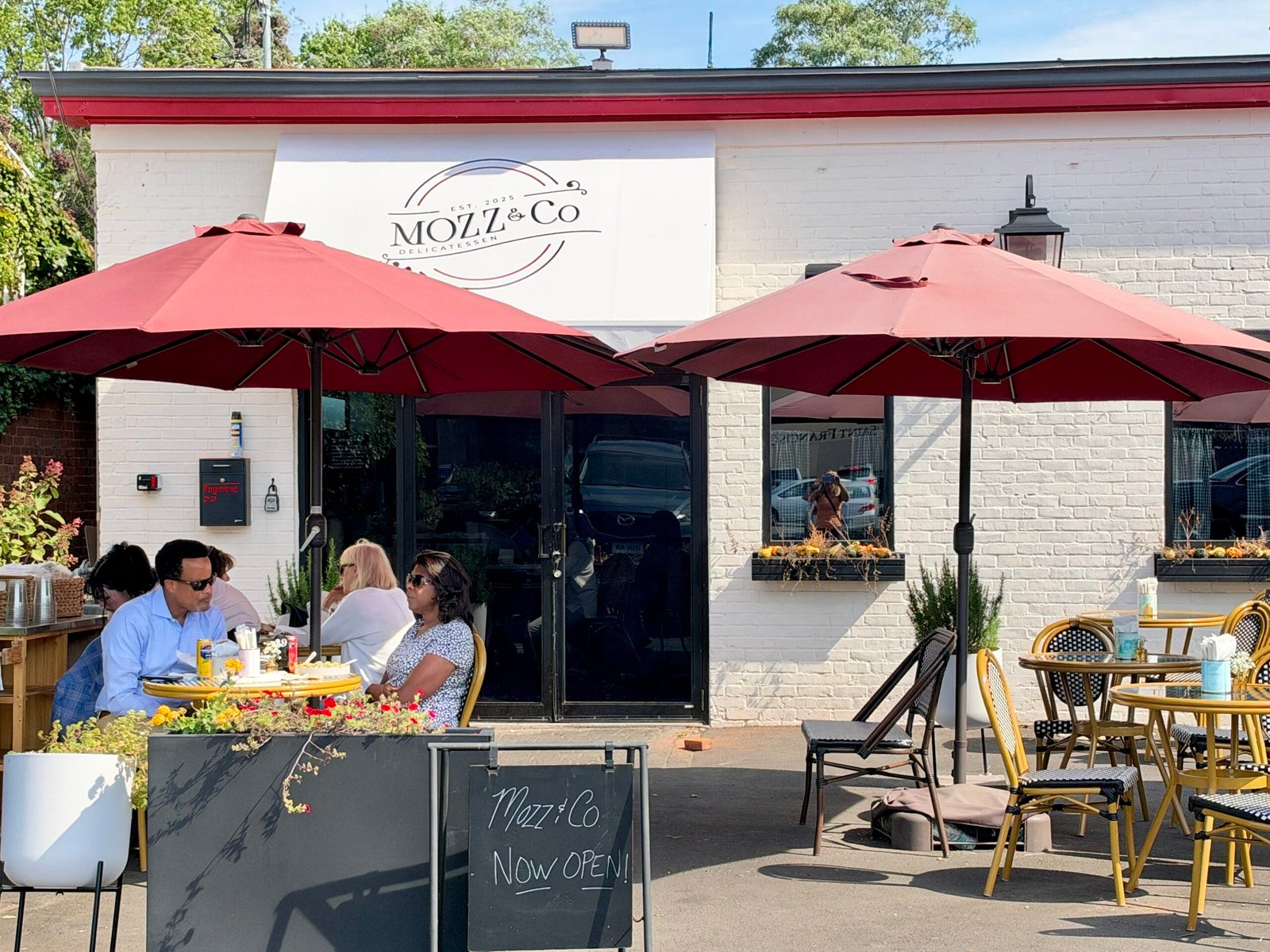
The Connecticut Restaurant & Hospitality Association (CRHA) has officially announced the finalists for its 2026 “CRAZIES Awards,” with several West Hartford establishments leading the pack. Mozz & Co. has secured a nomination in the “Restaurant Newcomer” category, while The Laurel and Gveenah—the latter currently preparing for an expansion within its Farmington Avenue building—are vying for the coveted title of “Hartford County Restaurant of the Year.”
Beyond the local eateries, the broader industry is adapting to modern digital demands and integrated service models. Charles Mallory, founder of the Greenwich Hospitality Group, which operates the Delamar West Hartford, was named the inaugural “Hotelier of the Year” by the CRHA. This recognition highlights the trend of high-end hospitality brands leveraging advanced guest-experience technology to maintain a competitive edge in a crowded market.
Retail Shifts and Digital Branding
The physical retail environment in West Hartford is also seeing notable transitions. Following the recent closure of the Starbucks at Corbin’s Corner, the storefront has been vacated and secured, leaving a prime space open for future development. Meanwhile, the boutique sector is seeing growth, with Salt Studio, a new nail and esthetics salon, securing permits to take over the former Lil Hope space on LaSalle Road.
The intersection of e-commerce and media remains a powerful tool for local businesses. ABLE MADE, founded by West Hartford resident Suzanne McKenzie, recently saw its apparel featured on the hit Apple TV series Ted Lasso. Such high-visibility placements on streaming platforms demonstrate how local brands are increasingly utilizing digital media partnerships and subscription-based content ecosystems to reach global audiences. Furthermore, local authors are embracing digital publishing and online community-building to promote new works, such as the upcoming midlife guide Why Didn’t You Bitches Tell Me? by Jordanna Hertz and Shauna Cagan.
Infrastructure and Civic Progress
Construction remains a dominant theme across West Hartford, impacting both private business and public services. The town’s West Hartford Center Infrastructure Master Plan continues to reshape the landscape, with sidewalk expansions and exterior upgrades providing more accessible storefronts for local merchants.
Simultaneously, the civic sector is modernizing, with significant progress on the new Animal Control facility on Brixton Street and the ongoing demolition of the former St. Brigid School at 100 Mayflower Street. These large-scale projects often require precise logistical management and data-driven planning to minimize disruption to nearby businesses. As these sites transition into new community assets—eventually merging with Beachland Park—the town is leaning into long-term strategic planning to ensure that physical growth supports the evolving needs of its residents and commercial tenants alike.
As always, business owners are reminded to remain vigilant against fraudulent solicitations. Recent reports of scams targeting award winners under the guise of “honor stores” serve as a reminder that even in a digitized economy, verifying the authenticity of service providers remains a critical step in protecting business operations.
Disclaimer: This content is auto-generated for informational purposes only.
Source: Read Original News