








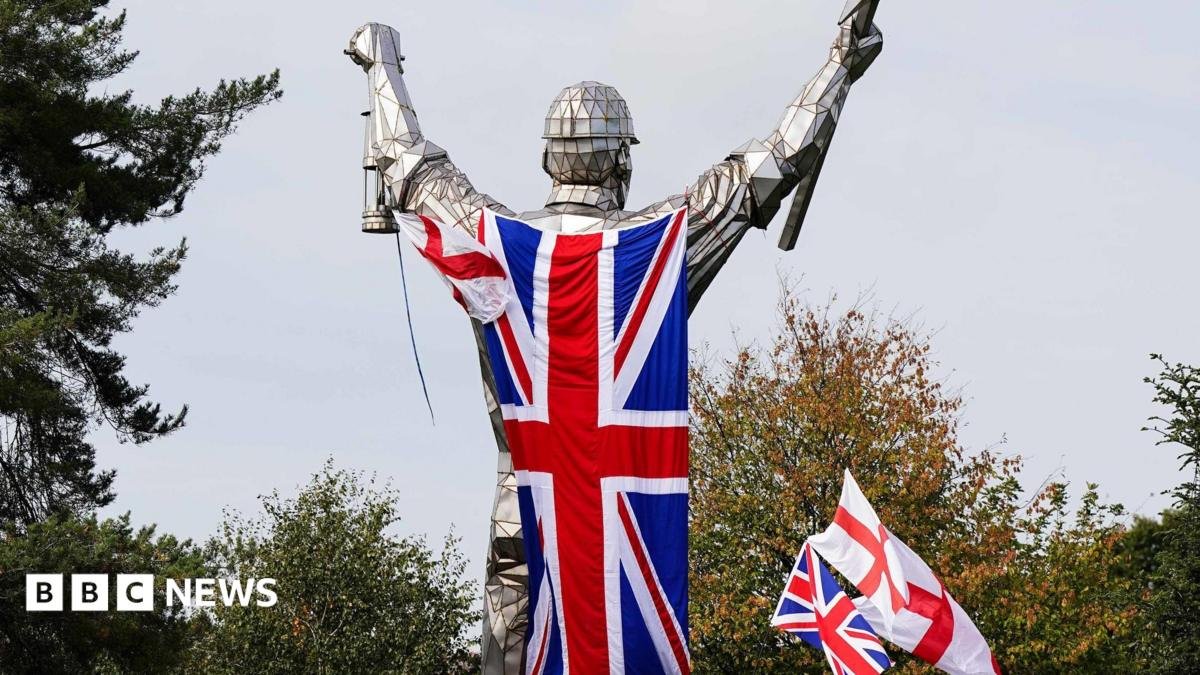
It depends on the type of flag, but you must always meet maintenance and safety standards.
Any country’s national flag and other local flags, for example, do not need permission to be flown outside your house.
The same applies to armed forces flags and those of organisations the UK is a member of such as the United Nations.
Some flags, such as those representing sports clubs or the NHS, do not need consent as long as they comply with rules about the size and positioning of flagpoles.
Those rules also apply to the Pride flag, but some other flags representing the LGBTQ+ community would need consent, such as the Progress Pride flag that Huntingdonshire District Council had been flying.
Anything else, such as flags that represent charities, also need planning permission before they can be flown outside a home.
Flags are covered by advertising regulations and a planning application would cost £610 to submit.
“Lots of councils have an advice service,” says environmental and planning lawyer Paul Wyard, from Richard Buxton Solicitors in Cambridge.
“You might have to pay, but I think that is probably the best option if you want to bulletproof anything,” he adds.
Paul Bibby has covered the front of his home in Chelmsford, Essex, in St George’s crosses to mark every major football tournament since 2010.
The 60-year-old says he sticks to the rules and has never had a problem, although some people on social media try to tell him he might receive a fine or a knock on the door from the police.