








Kai Linkins is a 17-year-old, Year 12 student at Herne Bay High and has been undertaking work experience with The Isle of Thanet News.
He has a keen interest in investigative journalism and would like to gain apprenticeship at a big broadcasting organisation in the future after finishing his A-Levels.
Rising sea levels, coastal erosion and more frequent extreme weather episodes are expected to have an increasing impact on Thanet in the coming decades. This article explores what climate change could mean for the district’s coastline, wildlife and tourist attractions, while also looking at what organisations are doing to protect Thanet’s natural environment:
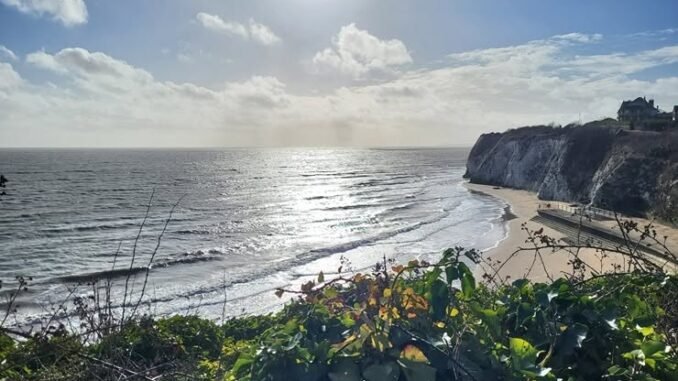
Thanet is renowned for its sandy beaches, chalk cliffs and its diverse wildlife. But beyond its picturesque coastline, the district is facing the challenge of climate change.
Rising temperatures, extreme weather events and changes to natural habitats are having a growing impact on both the environment and the people who live here. As these challenges become more apparent, local organisations are developing plans to protect Thanet’s natural environment and prepare for the future.
Thanet District Council has recently published a draft Nature Strategy aimed at protecting and restoring the district’s natural environment.
The strategy sets out a long-term vision to strengthen habitats, improve biodiversity and help communities adapt to a changing climate.

Cllr Rick Everitt, Leader of Thanet District Council, said: “Thanet’s natural environment is part of our identity, from our iconic chalk cliffs to our precious open spaces. But nature needs our help to recover.”
The strategy focuses on five key priorities: increasing tree cover to provide shade and improve air quality; protecting Thanet’s internationally important chalk reefs and marine life; restoring wetlands to reduce flood risk; supporting wildlife-friendly farming practices; and creating greener towns through initiatives such as mini-woodlands and wildlife-friendly gardens.
These measures are intended not only to protect the district’s landscapes but also to ensure that both residents and wildlife can continue to thrive as the climate changes.

Climate change poses challenges not only to Thanet’s coastline, but also to the habitats and wildlife that make the district unique. In its draft Biodiversity Strategy, Thanet council explains that climate change and habitat loss are among the greatest pressures facing the local environment.
From internationally important chalk reefs beneath the sea to wetlands, grasslands and open spaces on land, many of Thanet’s ecosystems depend on stable environmental conditions. As temperatures rise and weather patterns become increasingly unpredictable, these habitats face growing pressure, making conservation and restoration efforts more important than ever.
The strategy highlights that creating larger, better-connected habitats will allow wildlife to move more freely across the district, helping species adapt to changing conditions while strengthening the resilience of the natural environment.
Nature Recovery in Action
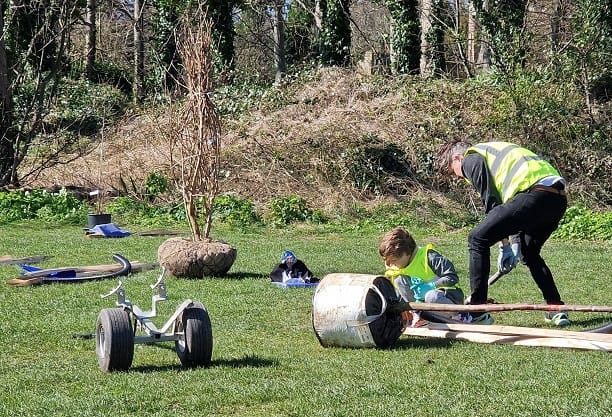
The council’s strategy is already being reflected through practical projects designed to improve biodiversity across the district. Plans include increasing tree cover through new planting schemes, creating mini-woodlands, improving green spaces and restoring habitats to help wildlife flourish. These initiatives are intended to make Thanet greener, improve air quality, reduce the impacts of hotter weather and provide better-connected habitats that allow wildlife to move more freely as the climate changes.
Kent Wildlife Trust shares a similar vision for the future of Kent’s landscapes. In its climate and nature strategy, the charity says that restoring nature is one of the most effective ways to tackle climate change while supporting biodiversity.
The Trust highlights that healthy woodlands, wetlands and coastal habitats can store carbon, improve water quality, reduce flood risk and provide safe habitats for wildlife. It also emphasises that protecting nature is not simply about conserving individual species but about restoring entire ecosystems so they can continue to support both wildlife and local communities as the climate changes. This approach reflects a growing understanding that tackling climate change and protecting biodiversity must go hand in hand.
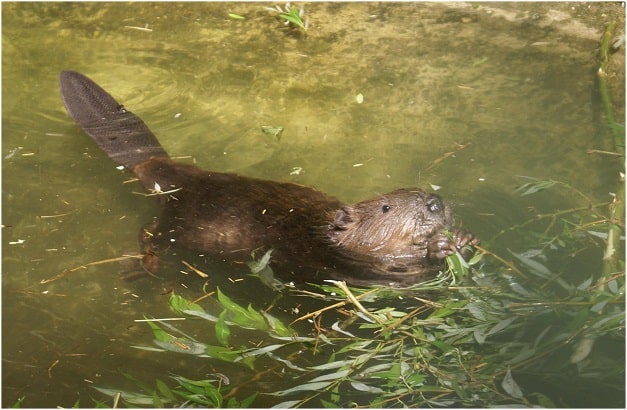
A well-known example of this work is Ham Fen National Nature Reserve near Sandwich, where Kent Wildlife Trust has supported the reintroduction of beavers. The animals naturally create dams that help slow the flow of water, restore wetlands and create habitats for a wide variety of wildlife. Conservationists believe projects such as these demonstrate how working with nature can increase resilience to climate change while benefiting both people and biodiversity.
How can residents and businesses help?
Protecting Thanet’s environment is not solely the responsibility of councils and conservation organisations. Residents, schools and local businesses can all contribute towards improving biodiversity and reducing the effects of climate change.
Some simple ways to help include:
- Planting native trees, shrubs and wildflowers to support local wildlife.
- Creating wildlife-friendly gardens and providing habitats for pollinators such as bees and butterflies.
- Walking, cycling or using public transport where possible to reduce carbon emissions.
- Reducing waste through recycling and reusing materials.
- Conserving water during periods of hot, dry weather.
- Supporting local conservation projects, community litter picks and environmental volunteering opportunities.
Small actions taken across the community can make a meaningful contribution towards protecting Thanet’s natural environment for future generations.
As climate change continues to shape the world around us, the choices made today will help determine what Thanet’s landscape looks like for generations to come.
Through collaboration, conservation and community action, Thanet has the opportunity not only to protect its unique natural environment but also to strengthen it for future generations.