






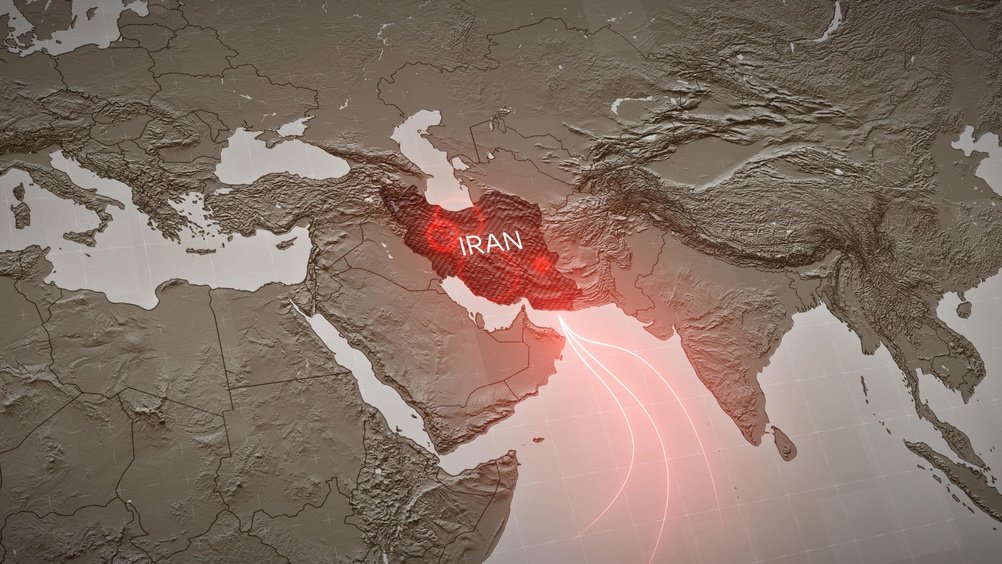
The Iran conflict is expected to lead to higher material costs, delays in material delivery, higher energy costs, and higher interest rates. Construction businesses should therefore be mindful that while project procurement may run smoothly today, projects will be impacted at delivery later as economic pressures feed through.
Parties negotiating construction contracts today should consider these future risks and ensure there is a clear contractual mechanism to address them.
Materials costs
Headline construction costs may appear stable for now. However, whilst the UK is not dependent on oil from the Strait of Hormuz, delays and price spikes may be suffered indirectly as it becomes more profitable for existing carriers to divert their tankers away from the UK to other locations that were previously dependent on Gulf oil and are now willing to pay a premium – leading to shortages.
Material prices often lag wider economic pressures, particularly energy costs, and projects being signed today are exposed to volatility that may only materialise further down the line. Fixed‑price arrangements agreed in this environment risk becoming loss‑making if costs spike later in 2026.
Delays
The UK, and by extension the construction industry, is more dependent on the Strait of Hormuz for raw materials, particularly aluminium, as it is sourced from Gulf producers and shipped via the strait to be used in façades, cladding systems or lightweight structural elements, all of which could now face potential supply shocks. Consequently, although the UK is relatively insulated from direct physical loss of crude oil supply, it remains exposed to disruption in the Strait of Hormuz, and the threat of supply issues for key materials is real and could cause project delays.
Energy costs
The construction sector is uniquely vulnerable to energy shocks, with higher energy costs simultaneously affecting material manufacturing, transport and logistics, and on-site operations. Energy costs feed directly into the manufacture of key materials, the transport of those materials, and the cost of running sites themselves.
This compounding pressure is intensifying strain on already thin margins, increasing the likelihood of insolvencies, claims, and disputes.
Interest rates and project financing
The further impact of price and supply disruptions is that these pressures will feed through into UK inflation metrics, including CPI and RPI, which the Bank of England’s Monetary Policy Committee will closely monitor, with direct implications for borrowing costs and, therefore, project financing, depending on any increase in the base rate.
Before the Iran conflict, there was a positive outlook on interest rates, with the prospect of rate cuts. However, a reversal of that trend looms, with rate increases probable as the economy navigates a period of pronounced inflation.
Unfortunately, higher interest rates mean higher project financing costs, which businesses in the construction industry will face acutely. Higher borrowing costs will reduce margins and leave far less room for delay or cost movement during procurement and delivery. Those affected should engage with funders sooner and ensure contracts include realistic pricing and programme assumptions, taking these steps now to reduce the risk of avoidable cost pressure later.
Mitigating the risk
Overall, in this climate, careful risk allocation and realistic pricing mechanisms are essential. Without them, we are likely to see a marked increase in claims as parties struggle to absorb cost pressures that were foreseeable but difficult to quantify at the time contracts were signed.
Collaboration between parties to construction contracts is necessary to navigate these difficulties, with a sharing of risk, to ensure that projects remain viable. Attention should be paid to contract clauses governing variations, fluctuations, and compensation events. Measures such as increased insurance coverage and performance bonds should also be considered. Advance ordering of materials also helps mitigate delays and cost risks.
Engaging with professional advisors at an early stage is key to structuring construction contracts that fairly allocate risk, protect programme and budget, and reduce the likelihood of disputes as volatility continues through 2026.
Carly Thorpe (partner) and Joshua Clough (associate) work in the construction and engineering team at Walker Morris