








Japan to Deploy Fighter Jets to India for First Time in Landmark Security Move
In a historic move that underscores a tightening security partnership, Japan will deploy fighter jets to India for the first time next month. The decision marks a significant escalation in military cooperation between the two nations, as Tokyo seeks to bolster ties with “like-minded” partners in the Indo-Pacific in response to China’s expanding military footprint in the region.
The Japan Air Self-Defence Force (JASDF) confirmed on Tuesday that it will conduct a joint training exercise, codenamed “Veer Guardian 26,” in the western Indian state of Rajasthan. The exercise is scheduled to run from September 9 to September 21.
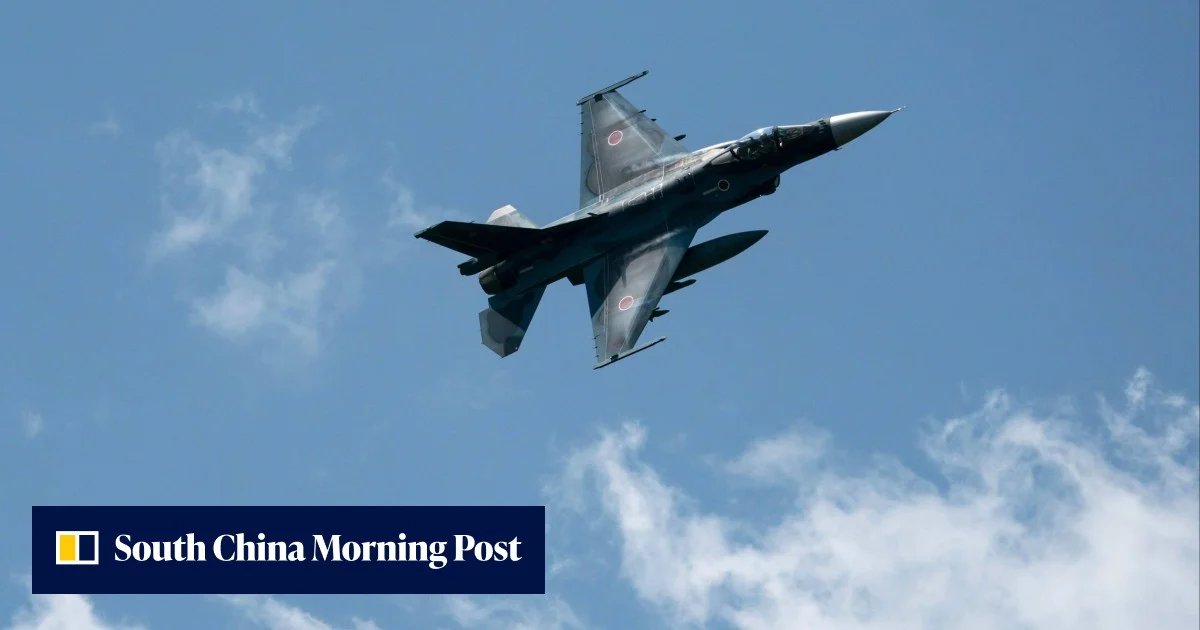
As part of the operational deployment, Tokyo will send three F-2 fighter jets to India, accompanied by approximately 110 personnel from the Eighth Air Wing, based at the Tsuiki Airbase in Japan’s Fukuoka prefecture.
“This will be a valuable opportunity to enhance mutual understanding and trust,” said Takehiro Morita, Chief of Staff of the Japan Air Self-Defence Force.
The upcoming deployment is widely viewed by analysts as a strategic signal of Tokyo’s intent to play a more proactive role in regional security. As Japan ramps up its defense spending to counter regional threats, it has increasingly prioritized alliances that can ensure a “free and open Indo-Pacific.”
The mission follows a high-level visit to India last week by Japanese Defence Minister Shinjiro Koizumi. During his visit, Koizumi met with Indian Defence Minister Rajnath Singh, where the two leaders pledged to deepen bilateral defense cooperation through sustained joint training and tactical integration.
The move comes at a time of shifting geopolitical dynamics, with both Tokyo and New Delhi increasingly concerned about Beijing’s assertive posture in territorial waters and international airspace. As regional tensions rise, experts argue that this fighter jet deployment serves as a potent deterrent and a testament to the deepening strategic convergence between two of the Indo-Pacific’s most prominent democratic powers.