








When contemplating the landscape of premium audio devices, it’s virtually impossible to overlook Bose. This brand has been a cornerstone of the audio industry for decades, consistently delivering headphones that are celebrated by both casual listeners and seasoned professionals. However, many consumers often find themselves questioning the seemingly steep price tags associated with Bose products. A significant part of this pricing strategy stems from the company’s current focus, which largely eschews the entry-level market.
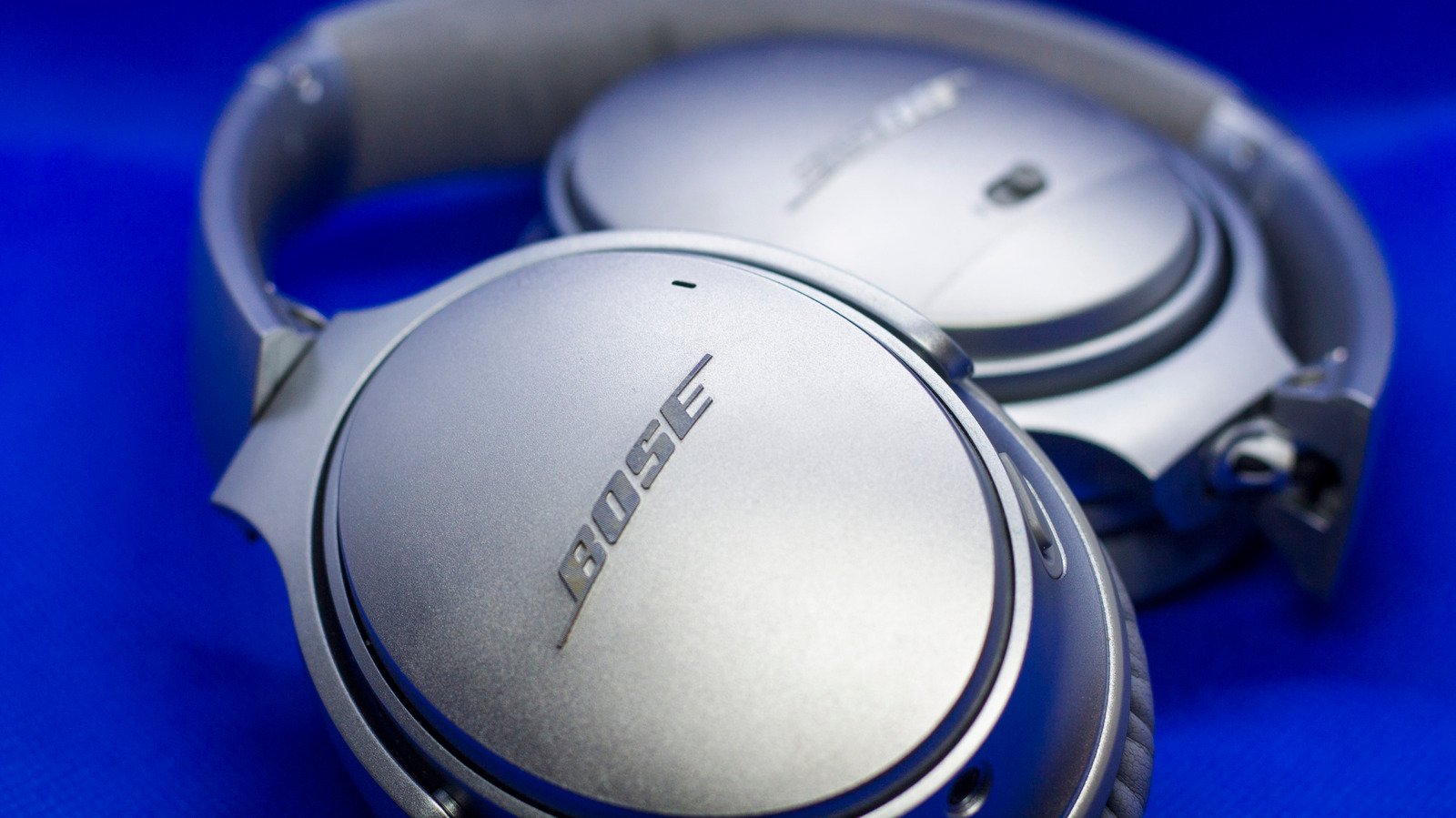
Consider the Bose QuietComfort Headphones (1st Gen), which, as of August 2026, represent the most affordable option in their lineup, yet still command a price exceeding $200. This seemingly high entry point becomes more understandable once one delves into the intricate features and specifications that justify such an investment. A prime example is Bose’s renowned active noise-cancellation (ANC) technology. Even at the lower end of the QuietComfort series, users are treated to one of the most sophisticated and effective ANC systems available today. While competitors like Sony, Apple, and Sonos also offer robust noise attenuation in their premium offerings, Bose distinguishes itself by allowing users granular control over their ANC experience. This can be achieved either through manual adjustments or by selecting from intuitive listening modes such as “Quiet” or “Aware” via the Bose application. Beyond superior noise reduction, another key factor contributing to the premium pricing and overall user satisfaction is the exceptional comfort that Bose headphones provide.
Indeed, no reputable headphone manufacturer would readily admit that their more economical models compromise on comfort compared to their flagship counterparts, as this could deter potential customers. However, Bose has carved out a reputation for producing headphones that offer unparalleled comfort, even during extended listening periods. The use of high-quality padding on both the ear cups and the headband is a signature characteristic of Bose designs, setting them apart from many alternatives.
While features like advanced noise cancellation and superior comfort are present across the entire QuietComfort range, Bose’s flagship models, such as the QuietComfort Ultra Headphones (2nd Gen), incorporate additional specialized technology. These top-tier models support wired playback via USB-C and boast aptX Adaptive for near-lossless Bluetooth audio, though this advanced codec requires a compatible Snapdragon Sound device. In terms of audio reproduction, Bose headphones are typically engineered to deliver a balanced sound profile that excels across diverse musical genres. This doesn’t imply that less expensive headphones cannot offer good sound quality, but rather that Bose generally provides a richer, more detailed soundstage straight out of the box. This sound can be further refined through the Bose app, which, despite offering a relatively basic three-band graphic equalizer, still provides more customization options than some premium competitors. For instance, the Apple AirPods Max 2, priced at $550, currently offer minimal audio adjustments beyond standard iOS Accessibility tweaks. For individuals interested in exploring other innovative audio technologies, there is a vibrant and ever-evolving market.
The perception of Bose products among the audiophile community can be quite polarized. A well-known critique, often shared among those who consider themselves true audiophiles, is the dismissive phrase, “No highs, no lows. Must be Bose!” This sentiment reflects a belief that Bose headphones, while adept at noise cancellation and comfort, might not offer the nuanced sonic fidelity that dedicated audiophiles seek. This anecdote, even appearing in online forums like r/audiophile, highlights the debate.
Ultimately, the most crucial aspect of choosing headphones transcends price and expert opinion; it boils down to individual listening preference. Whether one finds the Bose QuietComfort Ultra to be an auditory revelation or a disappointment is a deeply personal experience. An open-minded approach ensures that there’s no inherently “wrong” choice. While the “no highs, no lows” mantra might resonate with some discerning audiophiles, it’s undeniable that Bose headphones are globally celebrated, and it’s highly probable that many audiophiles genuinely appreciate their sound. Moreover, it’s a testament to Bose’s brand power that a significant portion of its consumer base may purchase its products simply due to the company’s established reputation and brand recognition.