








Ongoing Technical Refinements for The Witcher 3 Remastered
The landscape of modern gaming often involves a delicate balance between pushing technological boundaries and maintaining stability across diverse hardware configurations. CD Projekt Red (CDPR) has officially signaled that its commitment to The Witcher 3: Wild Hunt Remastered extends well beyond the initial launch phase. Following the release of the comprehensive overhaul, the developer has confirmed a dedicated roadmap for subsequent patches aimed at addressing technical friction points identified by the player base.
The primary focus for these upcoming updates includes significant performance optimizations, with a specific emphasis on the PlayStation 5 hardware architecture. While the Remastered edition introduced cutting-edge features such as ray tracing and improved texture fidelity, these advancements have necessitated a rigorous approach to optimization. Furthermore, the development team is actively investigating reports concerning visual inconsistencies and discrepancies in console-based voiceover audio. By encouraging users to submit detailed reports through their official support portal, CDPR is leveraging a data-driven approach to isolate these bugs and ensure a more consistent experience across all supported platforms.
The Integration of Cross-Platform Modding
A standout feature of this latest iteration is the implementation of cross-platform mod support, achieved through a strategic partnership with mod.io. This infrastructure allows for a more unified modification ecosystem, enabling users to access community-created enhancements regardless of their specific hardware setup. Previously, modding was largely a privilege reserved for PC players, requiring complex manual installations and file management.
By integrating mod.io directly into the engine, CDPR has lowered the barrier to entry for console users, who can now browse, download, and implement modifications with greater ease. The studio has indicated that it is currently working to expand the library of available mods, aiming to bridge the gap between platforms even further. This initiative highlights a growing trend in the industry: treating the modding community as an integral part of the product lifecycle rather than an auxiliary afterthought. The long-term impact of this feature is significant, as it effectively extends the content lifespan of the game, allowing players to tailor their experience with new assets, gameplay tweaks, and graphical adjustments long after the developers have moved on to new projects.
Balancing Visual Fidelity and Performance Demands
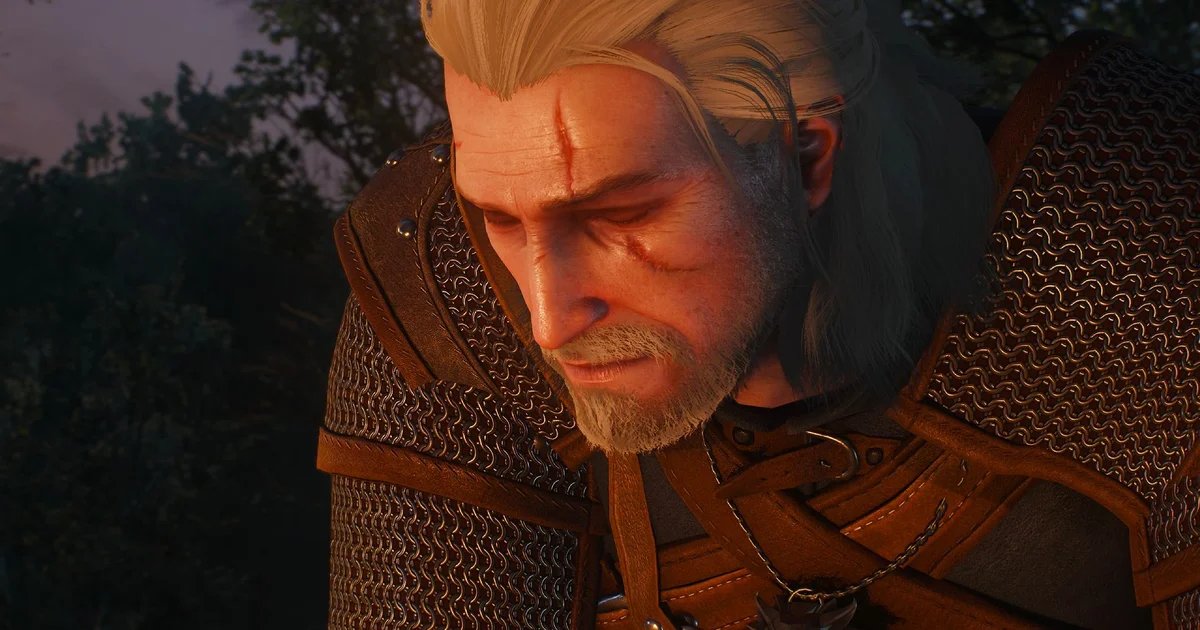
The Remastered edition represents a technical leap that effectively serves as a version 3.0 update for a title originally released over a decade ago. While the inclusion of upgraded textures, revamped animations, and enhanced environmental rendering has been welcomed, these changes have introduced a more demanding hardware profile. The increase in minimum system requirements is a testament to the sophistication of the new rendering techniques, yet it has posed challenges for players utilizing older machine architectures.
The community discourse has highlighted tension regarding the lighting model implemented in this update. Some users have expressed concerns that the global illumination changes resulted in an excessively bright aesthetic, diverging from the atmospheric, gritty tone of the original release. CDPR has already responded to this feedback by releasing a series of targeted hotfixes. These patches aim to recalibrate the lighting engine, ensuring that the visual overhaul enhances, rather than obscures, the original creative intent. This reactive process underscores the complexity of modern remastering, where updating legacy assets to align with contemporary visual standards often involves navigating a complex web of artistic and technical variables.
Community Feedback and Version Preservation
The transition to the Remastered edition has not been without its logistical hurdles, particularly regarding the preservation of game versions on consoles. While PC players retain the flexibility to roll back to previous iterations of the software, console players are often locked into the latest update. This has prompted requests from the community to provide users with a choice between the original version and the Remastered update.
This request reflects a broader conversation about digital preservation in the gaming industry. As developers continue to iterate on live services and updated software packages, the ability to access earlier, more stable, or historically significant versions of a game becomes a matter of concern for dedicated enthusiasts. CDPR’s management of these concerns—by prioritizing technical fixes while acknowledging the need for further dialogue—remains a critical aspect of their post-launch strategy. Balancing the desire for modernization with the needs of legacy players who prefer the original optimization profile is a persistent challenge for studios revisiting long-standing titles.
Strategic Outlook and Future Content
The revitalized interest in The Witcher 3: Wild Hunt proves that high-quality, long-term support can drive significant player retention and sales growth even years after a game’s debut. By modernizing the technical foundations of the title, CDPR is preparing the codebase for upcoming content, most notably the expansion titled Songs of the Past, slated for release next year.
This expansion represents an unprecedented commitment to a single-player RPG this far into its release cycle. The studio’s ability to concurrently maintain the base game, optimize the Remastered experience, and develop new, substantive narrative content speaks to a robust internal development strategy. As the patches continue to roll out, the primary impact will be a more stable, visually coherent, and versatile experience that accommodates both newcomers and returning veterans. Ultimately, the success of this endeavor will be measured by the studio’s ability to resolve the remaining technical issues while successfully delivering the promised expansion content, thereby securing the legacy of The Witcher 3 for years to come.
Disclaimer: This content is auto-generated for informational purposes only.
Source: Read Original News