








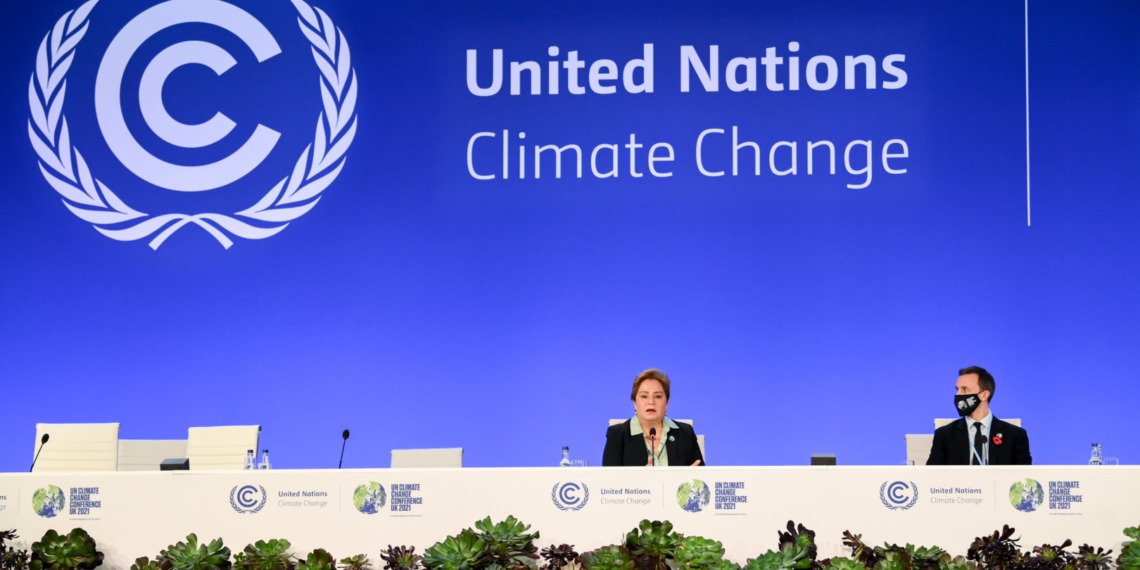
Geneva Summit Sets Ambitious Climate Roadmap: Global Leaders Eye Net-Zero by 2050
GENEVA – In a landmark gathering that could reshape the global environmental landscape, representatives from more than 150 nations concluded the annual Global Climate Summit this week with a unified, if ambitious, vow to accelerate the transition toward a sustainable future. The summit, held in the Swiss capital, served as a critical platform for world leaders, policy experts, and environmental activists to bridge the divide between economic growth and ecological preservation.
A Decisive Shift Toward Net-Zero
The centerpiece of the summit was a collective commitment to reach net-zero carbon emissions by 2050. This goal, widely viewed as essential to curbing the most catastrophic effects of global warming, saw tangible backing from major economies. Germany and Canada, in particular, took the lead by unveiling substantial investment packages aimed at fast-tracking renewable energy infrastructure.
German Chancellor Olaf Scholz emphasized that the transition is no longer just an environmental imperative, but a matter of national and global energy security. By pivoting away from fossil fuel dependency, these nations aim to demonstrate that the green economy is both viable and necessary for long-term geopolitical stability.
Strategies for a Sustainable Tomorrow
Beyond high-level rhetoric, the summit delved into practical, multi-faceted strategies to curb temperature rise. Discussions centered on the large-scale expansion of afforestation initiatives, which are seen as a natural solution to carbon sequestration, alongside a massive push for energy efficiency in urban centers. Furthermore, there was a strong consensus on the necessity of accelerating the transition to electric vehicles (EVs).
Perhaps most significantly, the summit addressed the stark reality that climate change does not impact all nations equally. Wealthier countries pledged a dedicated financial mechanism to support nations in the Global South, which are currently bearing the brunt of erratic weather patterns and rising sea levels. This commitment to climate justice marks a pivot from mere dialogue to a focus on adaptation and resilience funding.
The Role of Industry and Innovation
The private sector took a prominent seat at the table, with global giants such as Tesla and Siemens presenting blueprints for low-carbon industrial practices. Many corporate leaders expressed a sense of optimism, viewing the green transition as a catalyst for a new era of industrial innovation. By integrating sustainable technologies into their core business models, these firms are positioning themselves to capitalize on the burgeoning global demand for clean energy solutions.
Skepticism Remains: From Promises to Performance
Despite the fanfare, the summit faced sharp criticism from environmental advocacy groups. Skeptics argue that history is littered with aspirational climate agreements that ultimately faltered due to a lack of accountability.
“The climate crisis is accelerating at a pace that far outstrips diplomatic rhetoric,” noted a spokesperson from Greenpeace. “Unless these pledges are codified into binding, legal targets that carry clear consequences for failure, they risk becoming nothing more than a well-intended exercise in public relations.”
As the delegates return to their respective nations, the focus now shifts to implementation. All eyes will be on the progress reports due at the 2024 summit. Whether these promises represent a genuine turning point or merely another chapter of delayed action remains to be seen, but the global mandate for meaningful change has never been more urgent.
Disclaimer: This content is auto-generated for informational purposes only.
Source: Read Original News