





The future of star Indian cricketer Rohit Sharma, particularly concerning his participation in the 2027 ODI World Cup, remains a significant topic of discussion among sports enthusiasts and analysts. Matthew Hayden, the former Australian opening batsman, has offered a candid perspective, suggesting that the ultimate decision regarding Rohit’s continued presence in international cricket lies solely with the player himself.
Hayden posits that as cricketers reach a certain age, they inevitably face questions about their longevity and commitment. He highlights that this isn’t a new phenomenon, referencing similar debates surrounding other veteran players like Virat Kohli and Gautam Gambhir in the past. The essence of his argument is that no player can indefinitely compete at the highest level of this “beautiful game.” The crucial assessment for Rohit, who has already retired from Test and T20I formats, is whether he retains the unwavering hunger, boundless energy, and profound motivation necessary to endure the rigorous demands of both international cricket and the Indian Premier League. The gruelling schedule requires a youthful vitality, and Hayden emphasizes that only Rohit can truly gauge if he still possesses the drive to battle like a lion and push through these immense pressures.
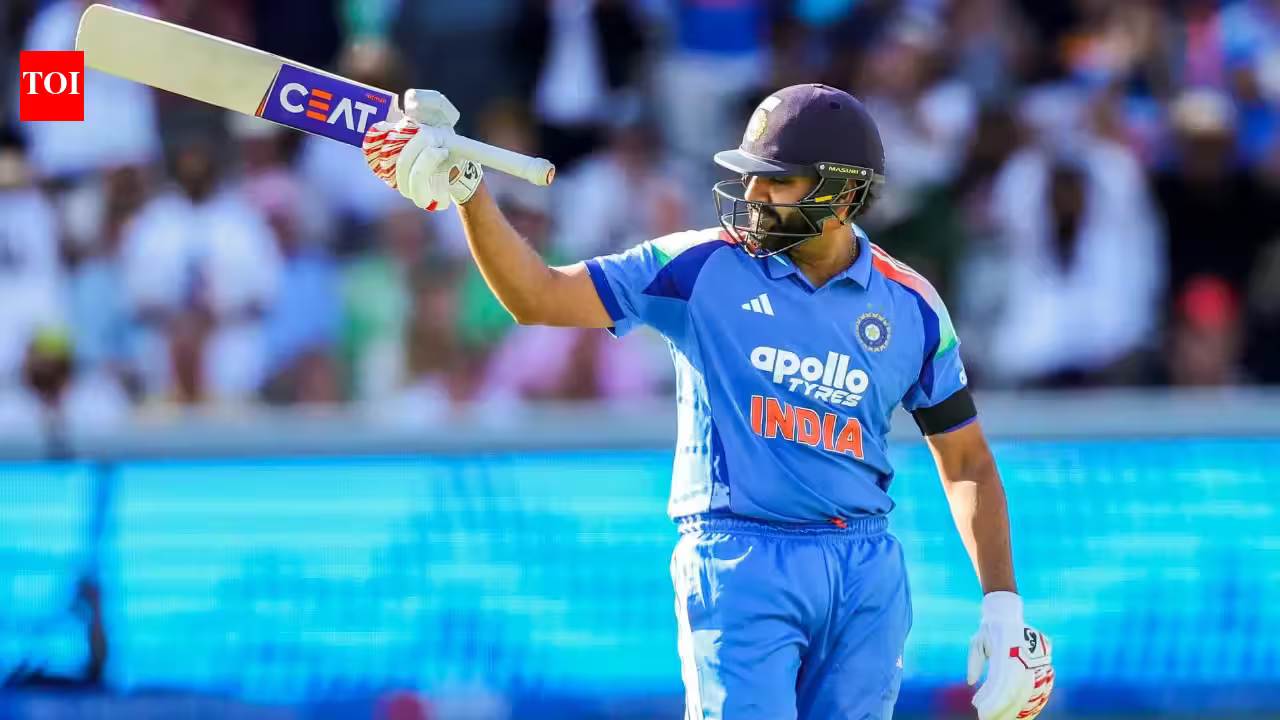
Despite the ongoing speculation, Rohit Sharma has consistently demonstrated that age is merely a number and not the sole determinant of his international career. The scrutiny surrounding his prospects for the 2027 World Cup intensified, especially given his prior retirements from two formats. At one point, during India’s ODI tour of England, whispers suggested that the third ODI at Lord’s could potentially mark his final appearance for the national team. However, Rohit responded to these doubts with a spectacular performance, silencing many of his critics.
In a pivotal series decider, chasing a formidable target of 388 runs, the former Indian captain unleashed a magnificent innings, scoring 138 runs off just 110 deliveries. This impressive knock, which included 17 fours and five sixes, showcased his enduring class and ability to dominate under pressure. Although India ultimately fell short by 27 runs in that particular match, Rohit’s individual brilliance was undeniable. He concluded the three-match series with an impressive aggregate of 175 runs, maintaining an average of 58.33 and a strike rate of 98.31. His partnership with long-time teammate Virat Kohli, who also contributed a valuable 74 runs from 60 balls, further highlighted his continued importance to the team’s batting lineup, even though India eventually lost the series 2-1.
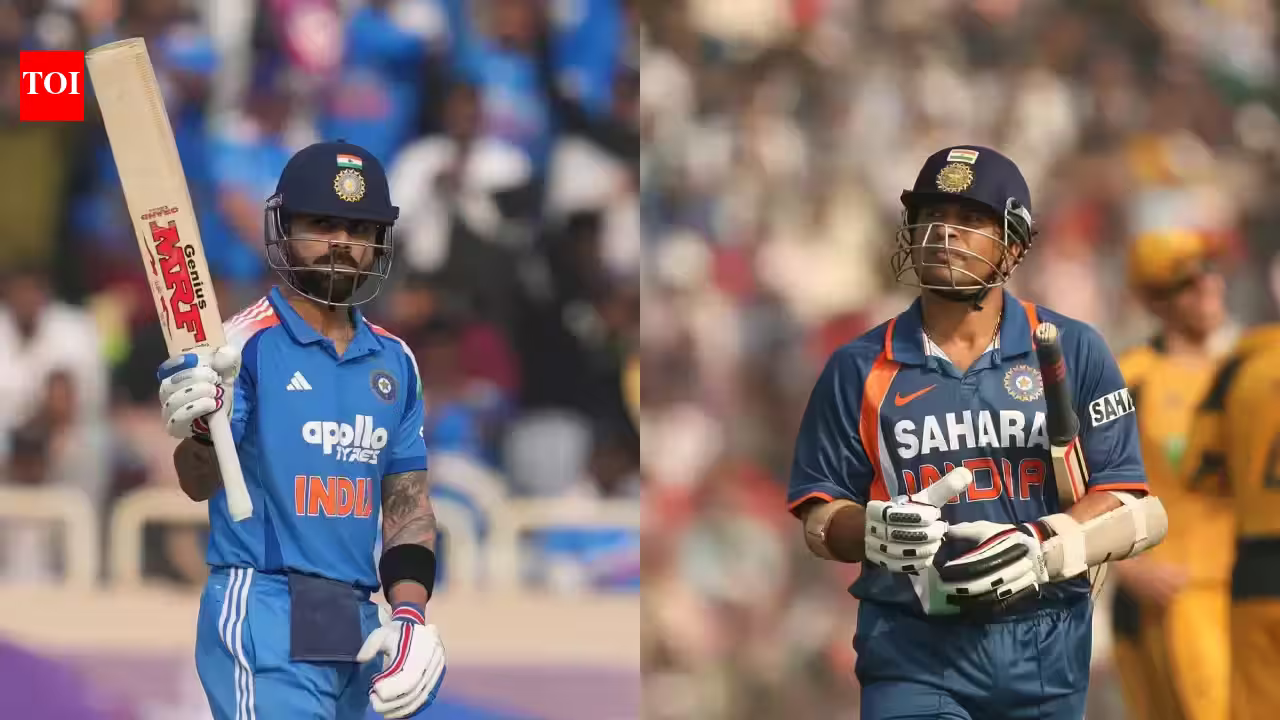
Rohit Sharma’s statistics undeniably cement his position as one of the most prolific ODI batsmen in the sport’s history. He has amassed an astounding 11,895 runs in 288 matches and 280 innings, boasting an impressive average of 48.95 and a striking rate of 93.04. His remarkable ODI record includes 34 centuries and 62 half-centuries, with his highest individual score being an incredible 264 runs. Currently, he ranks seventh on the all-time ODI run-scoring list globally and stands as India’s third-highest run-scorer in the format, trailing only the legendary figures of Virat Kohli (14,941 runs) and Sachin Tendulkar (18,426 runs). Even in the current year, Rohit has continued to make significant contributions, accumulating 379 runs in nine innings across nine ODIs, at an average of 42.11, which includes one century and one fifty. His highest score for the year remains the explosive 138 against England.
As the 2027 World Cup approaches, slated to be held in South Africa, Zimbabwe, and Namibia, the ongoing debate about Rohit’s future will undoubtedly persist. Nevertheless, Matthew Hayden‘s perspective provides a clear framework: if Rohit Sharma still possesses the burning desire and the physical capacity to meet the demanding standards of international cricket, then the final verdict on his career continuation should unequivocally rest with him.