







No Justice: Family of Slain Aid Worker Zomi Frankcom Decries Israel’s Refusal of Criminal Probe
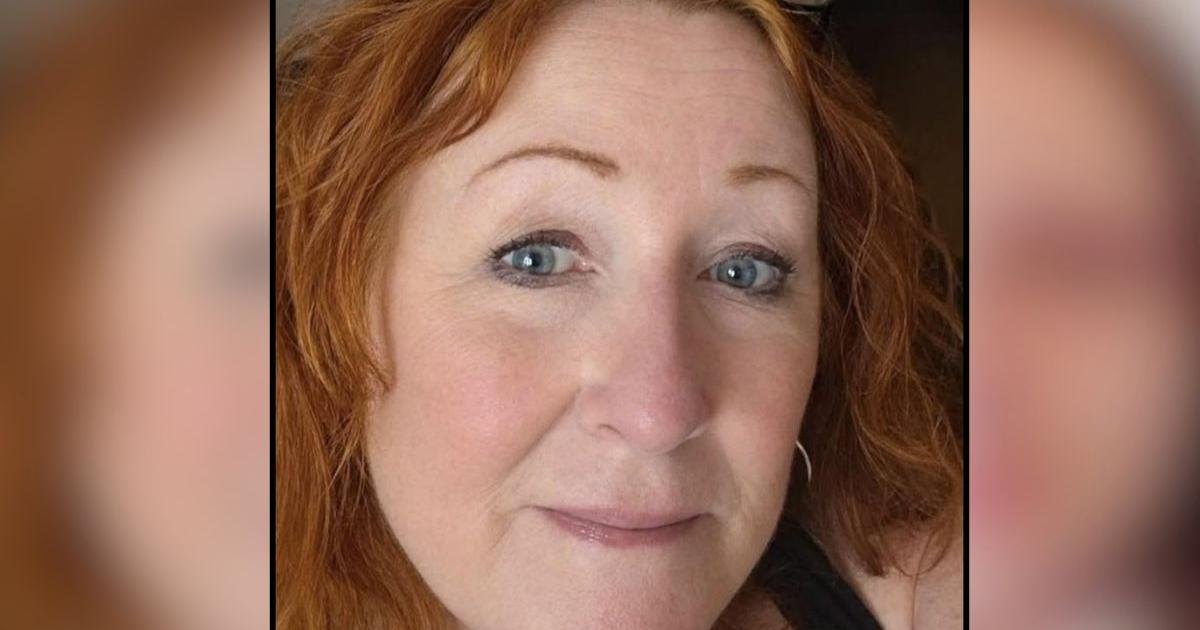
More than two years after an Israeli drone strike in Gaza killed Australian aid worker Lalzawmi “Zomi” Frankcom, her family and the Australian government remain in a state of unresolved grief and mounting frustration. Following a protracted internal review, the Israel Defense Forces (IDF) have officially declined to launch a criminal investigation into the strike, a decision that has been condemned by Canberra as an “insult” to the victims.
A Targeted Convoy
On April 2, 2024, 43-year-old Zomi Frankcom—a seasoned humanitarian worker with years of experience across Asia, Africa, and the Middle East—was traveling with a World Central Kitchen (WCK) convoy. The organization, which had been coordinating its movements with the Israeli Ministry of Defense, was providing essential food aid to a famine-stricken Gaza.
Despite clear WCK markings on the vehicles, the convoy was subjected to a coordinated attack. Between 11:09 p.m. and 11:13 p.m., IDF drones struck all three vehicles in succession, firing at two-minute intervals. Survivors who attempted to flee to remaining vehicles were killed in subsequent strikes. In total, seven aid workers were killed, hailing from Australia, the UK, Poland, Palestine, and the United States.
The Official Response
In the immediate aftermath, Prime Minister Benjamin Netanyahu characterized the incident as a “tragic case” of unintentional harm, telling the public, “This happens in wartime.”
The IDF subsequently conducted an internal review, labeling the attack a “grave mistake” stemming from a “significant break-down in situational awareness.” They claimed the operators believed they were targeting Hamas operatives who had taken control of the convoy. Despite this admission, the military advocate general concluded that the actions did not warrant a criminal investigation.
Reports later surfaced suggesting that the officer who oversaw the strike was a West Bank settler who had previously signed an open letter advocating for the cessation of humanitarian aid to Gaza.
An "Insult to Memory"
The Australian government, which had commissioned a special inquiry led by former Chief of the Defence Force Mark Binskin, expressed profound dissatisfaction with Israel’s outcome. While Binskin’s report acknowledged that the strike was not “knowingly or deliberately” aimed at the WCK, it highlighted severe failures in the IDF’s process.
Australian Foreign Minister Penny Wong slammed the Israeli military’s decision to clear its personnel, stating it fell “far short of the accountability we expect” from a democracy. In a tense meeting with Israel’s ambassador to Australia, Hillel Newman, the government pressed for meaningful accountability. Newman, however, remained defensive, questioning the definition of “justice” and refusing to offer an official apology.
For the family of Zomi Frankcom, the lack of a criminal investigation is a bitter blow. Her brother, Mal Frankcom, who was in Canberra for World Humanitarian Day when the announcement was made, did not mince words.
“Zomi and her colleagues deserve more than an internal, opaque process that ends with a short statement by the Israeli military absolving their soldiers of criminal wrongdoing,” Mal said. “The families of the victims deserve transparency for the international humanitarian law violations that took place on that day.”
As the international community watches, the case has become a flashpoint for broader questions regarding accountability in modern warfare. The path to justice for Zomi Frankcom appears increasingly distant, leaving grieving families and a frustrated Australian government to grapple with the reality that the individuals responsible for the deaths of their loved ones will face no criminal charges.