







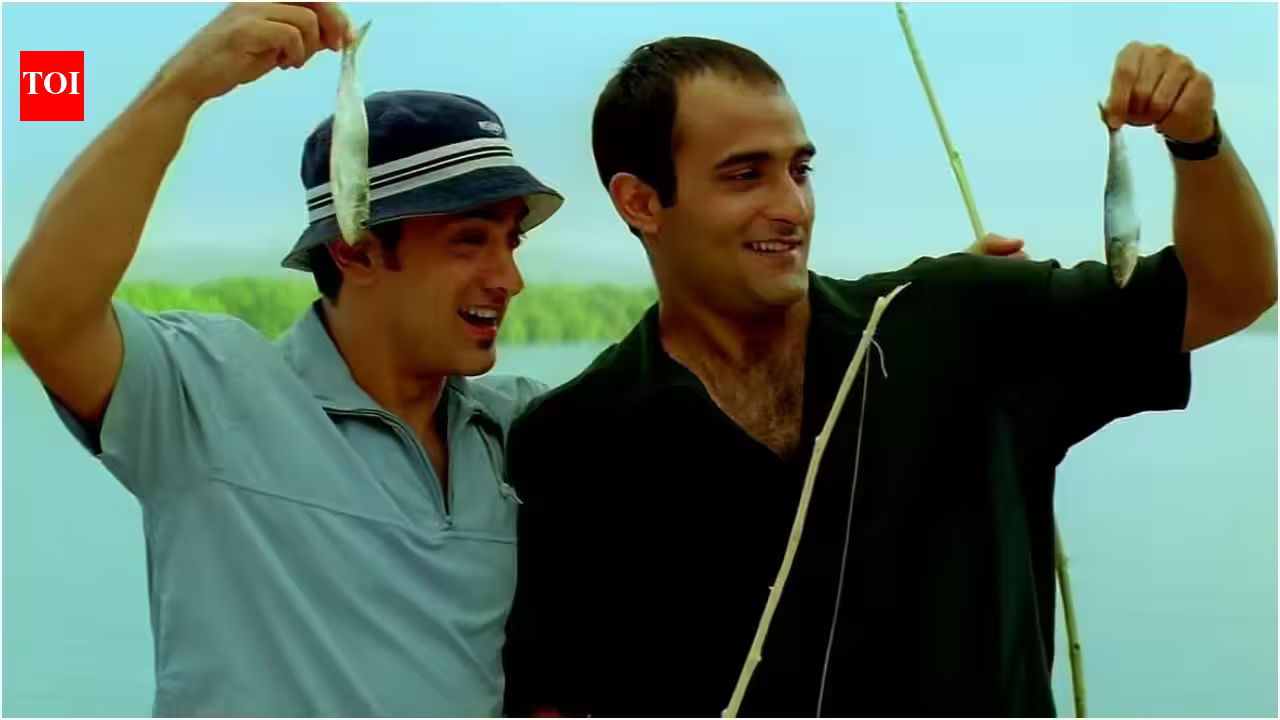
A Defining Moment in Contemporary Indian Cinema
Two and a half decades have passed since the release of Dil Chahta Hai, yet the film remains a landmark in Indian cinema history. As the directorial debut of Farhan Akhtar, it redefined the portrayal of urban youth, friendship, and romance in Bollywood. The film followed the lives of three inseparable friends—Aakash, Sameer, and Sid—navigating the complexities of early adulthood. The narrative’s strength lied in its grounded dialogue, relatable dilemmas, and the palpable chemistry between its leads, Aamir Khan, Saif Ali Khan, and Akshaye Khanna.
Recently, the cast and crew reunited to celebrate the silver jubilee of this influential project. These reflections provided rare insights into the meticulous effort that went into crafting its most memorable sequences. Among the many revelations shared, the behind-the-scenes account of the pivotal confrontation between Aakash and Sid stands out as a testament to the dedication of the performers involved. The scene, which serves as a turning point in the movie, was not merely a feat of acting but a physically grueling exercise in commitment to the craft.
The Authenticity of the Seventeen Slaps
The central conflict in the film erupts when Sid, played by Akshaye Khanna, confronts Aakash for his insensitive remarks regarding Sid’s relationship with the older, widowed Tara, portrayed by Dimple Kapadia. In the heat of the argument, a swift, sharp slap from Sid silences Aakash, marking a fracture in their camaraderie that defines the film’s middle act. While viewers often assume such scenes rely on careful camera positioning or sound design to mimic impact, Farhan Akhtar confirmed that the production team took a different path.
During the reunion discussions, it was disclosed that the sequence required seventeen takes to capture from various angles, including wide shots and close-ups. Farhan Akhtar revealed that he initially only intended for the wide shot to be authentic, but Aamir Khan insisted on realism for every take. To heighten the spontaneity, the director instructed Akshaye Khanna to deliver the slap slightly ahead of the dialogue cue, catching Aamir off guard. This unconventional approach ensured that Aamir’s physical reaction—his shock and subsequent anger—was entirely genuine. By the time the cameras stopped rolling, the impact was clearly visible, with the actor’s face suffering from noticeable redness and swelling.
The Psychological Weight of the Confrontation
The decision to utilize a physical blow instead of a drawn-out brawl was a deliberate choice by the filmmaker. Farhan Akhtar noted that within the context of a close friendship, a single slap carries a level of weight that a traditional fistfight cannot replicate. It represents a betrayal of trust and a profound insult that words alone cannot convey. By keeping the confrontation brief and focused, the film maintained the realism that became its signature.
Aamir Khan corroborated this view, reflecting on how the physical sensation changed his perception of the scene. He noted that the act was not just about the choreography of the movement, but about how it forced him into a specific state of mind. For his character, Aakash, the slap was the ultimate sign of disrespect, triggering a surge of ego and resentment that made his subsequent silence and refusal to reconcile feel entirely earned. The actors felt that this specific form of violence was far more demeaning than being beaten, which added a layer of gravity to the rift between the characters that the audience could sense immediately.
Reflections from the Cast and Supporting Players
The culture of realism established by the director extended beyond the lead trio. Suchitra Pillai, who played the character of Priya, recounted her own experience with physical acting during the shoot. In her scenes with Saif Ali Khan’s character, Sameer, she was tasked with delivering a slap to convey the frustration of a dissolving relationship. Much like the experience shared by Aamir and Akshaye, the direction was for complete authenticity. Pillai recalled having to slap Saif three times to satisfy the requirements of the shot, a memory she recounted with humor during the reunion.
The dedication to the role was so absolute that it left a lasting impression even on the families of the actors. Pillai shared an anecdote about meeting Saif’s mother, the legendary Sharmila Tagore. Upon introducing herself as the actor who had slapped Saif on screen, she was met with a surprising and supportive reaction. Instead of being defensive, the veteran actress simply expressed that she hoped it had been a hard hit, highlighting the mutual respect for the demands of professional acting present within the film community.
The Lasting Legacy of Dil Chahta Hai
The reunion of the Dil Chahta Hai team served as a reminder that the film’s success was not accidental. It was the product of a collaborative environment where actors like Aamir Khan, Saif Ali Khan, and Akshaye Khanna were willing to subject themselves to physical discomfort to ensure that the narrative resonated with truth. Alongside a stellar supporting cast—including Preity Zinta, Dimple Kapadia, Sonali Kulkarni, and Rajat Kapoor—the film achieved a rare balance of commercial appeal and artistic sincerity.
Twenty-five years later, the film is still analyzed as a benchmark for contemporary storytelling. It captured the nuances of how people grow apart and the difficulty of bridging those gaps. By prioritizing character development over theatrical spectacle, the production team ensured that even scenes of conflict felt grounded in the reality of human relationships. The persistence of the actors in those seventeen takes of a single slap remains a fascinating footnote, illustrating the lengths to which a dedicated team will go to ensure that a story feels honest, raw, and impactful for the audience. As the cast looks back, it is clear that the effort poured into these small, intense moments is exactly what helped the movie stand the test of time.
Disclaimer: This content is auto-generated for informational purposes only.
Source: Read Original News