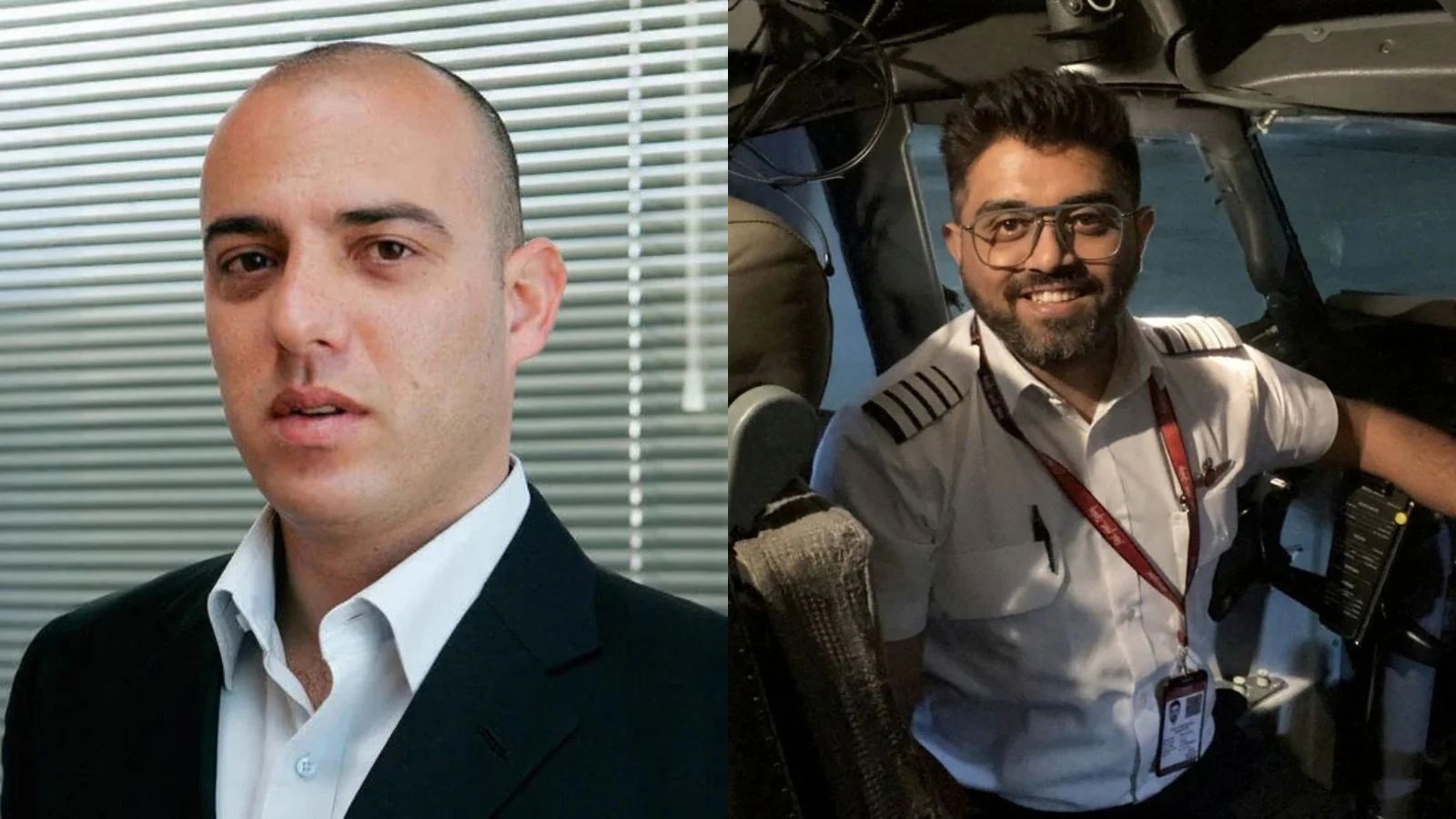








Following a deeply troubling incident aboard a flight from Phuket to Delhi, two additional Air India pilots have failed initial drug screenings mandated by the Tata-owned airline. These new failures emerged as part of a comprehensive drug testing initiative launched in the wake of the Phuket incident, where the pilot-in-command was found to have marijuana in his system after two urine tests. While the results of the conclusive tests for these two pilots are still pending, both have been immediately removed from active duty.
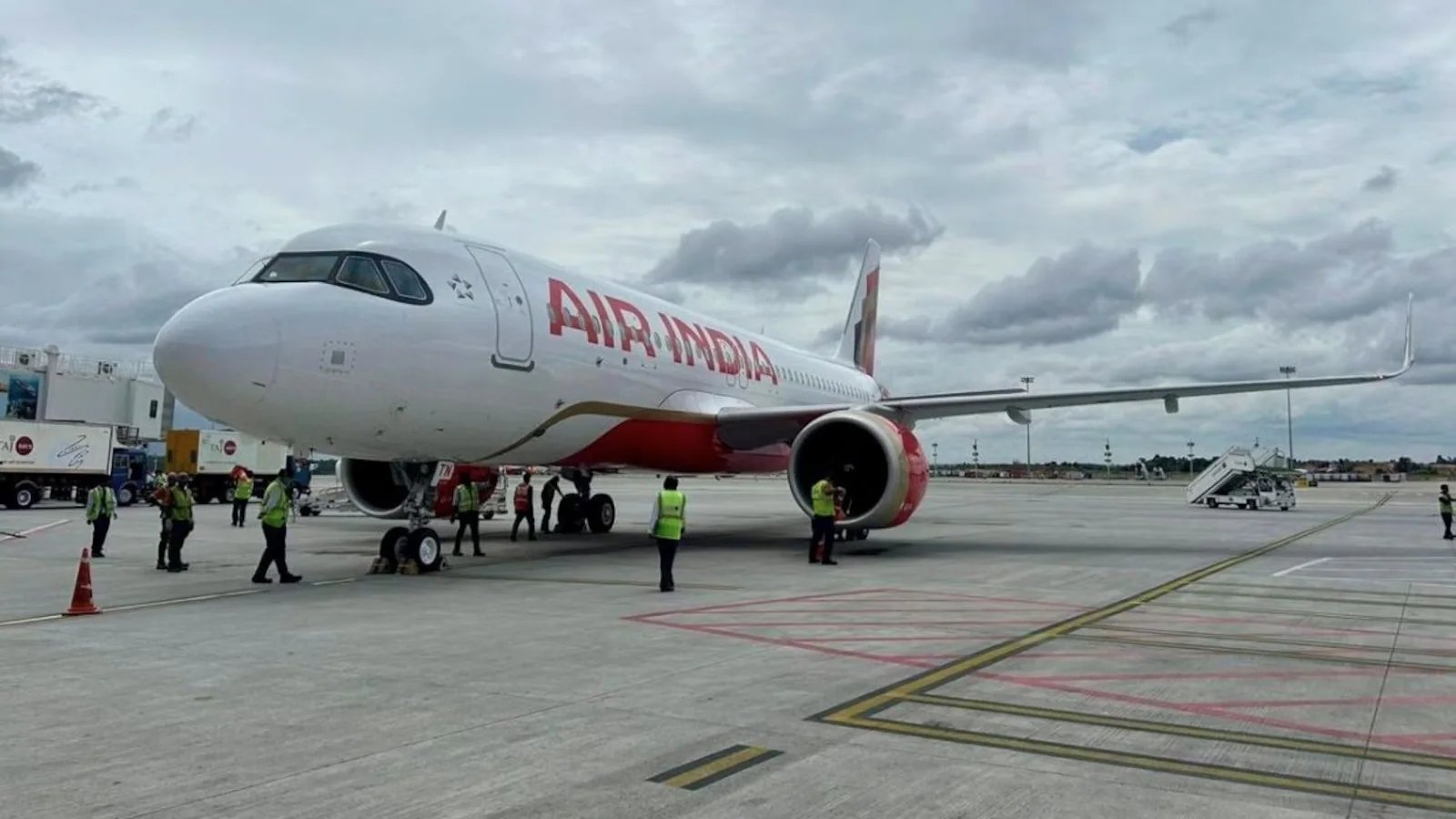
The airline’s decision to implement this stringent testing procedure across its pilot roster stems directly from the unsettling events that unfolded on an Airbus A-320Neo. This aircraft experienced an alarming and violent 300-foot drop, a phenomenon later attributed to an unprecedented simultaneous loss of vital control surfaces, including the elevators and ailerons, for a critical four-second period. During this terrifying interval, the spoilers also became uncontrollable due to the same hydraulic malfunction. Investigations revealed that the aircraft’s elevators and ailerons moved independently, entirely without pilot input, following multiple failures within the jet’s three hydraulic systems. Such a widespread hydraulic failure is highly unusual for this type of airliner and raised serious concerns about flight safety and crew integrity.
The hydraulic systems are absolutely fundamental to aircraft operation, governing critical flight control surfaces. These include the elevators, which manage the aircraft’s pitch (nose up or down); the ailerons, responsible for rolling the aircraft left or right by adjusting the wingtips; and the spoilers, which decrease lift, increase drag, and assist in descent, deceleration, and braking upon landing. Initially, the incident was vaguely reported as “turbulence,” but subsequent analysis of the aircraft’s system logs provided hard data that unveiled the true, more severe nature of the malfunction.
Over 300 Air India pilots have already undergone this mandatory testing, with final drug test results typically becoming available within 24 to 48 hours. The catalyst for these actions was a complaint reportedly filed by a cabin crew member on the affected flight, who alleged that the pilot had previously smoked “pot.” Air India has reiterated its commitment to regular drug testing for all crew members, affirming that these procedures are in full compliance with civil aviation regulations and are conducted irrespective of specific flight or operational incidents, though this particular event clearly spurred an intensified focus. The ongoing revelations underscore significant concerns regarding pilot fitness and adherence to aviation safety protocols, prompting further scrutiny of airline operational procedures and crew oversight. The full implications of these failed drug tests and the underlying cause of the Phuket-Delhi flight fiasco remain central to ongoing investigations.