





Since 1970, Earth Day has been celebrated annually on the 22 April, raising awareness for environmental issues and galvanising the public to take positive actions for the sake of the planet. Across the globe, more than 1 billion people from almost 200 countries mark the occasion by picking up litter, planting trees and lobbying for improved policies.
This year’s theme is ‘our power, our planet,’ which, according the organisers of Earth Day, ‘reflects a fundamental truth that transcends political cycles. Environmental stewardship has never depended on a single administration, institution, or election. It is sustained by the daily decisions of communities, educators, workers, innovators, and families who understand that protecting the places they live and work is both a responsibility and a long-term investment.’
In preparation for Earth Day, we have pulled together the best environmental documentaries to stream today below.
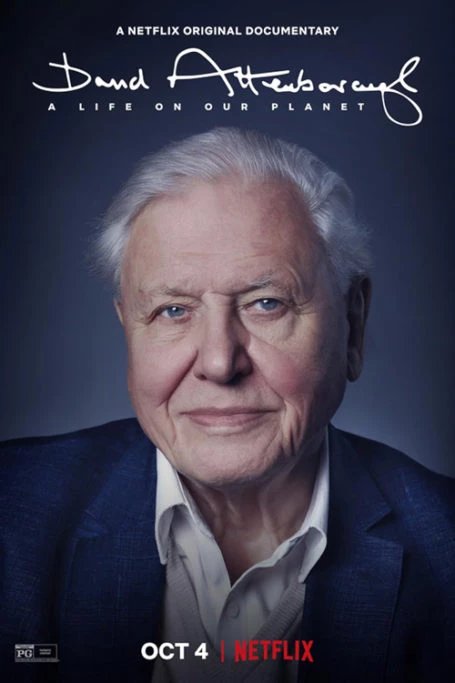
David Attenborough: A Life On Our Planet (2020)
A list of environmental documentaries would be incomplete if it did not honour Britain’s national environmental treasure Sir David Attenborough. In A Life on Our Planet, Attenborough tells the story of his life and explores how the planet has changed during that time. He hypothesises the state that the planet could end up in if we continue on our current trajectory: from the Amazon rainforest turning into a savanna, to soil overuse causing a major food crisis.
Peppered with the optimism we have grown to expect from Attenborough, he also poses actions that could slow climate change and biodiversity loss, including making improvement to girls’ education to stabilise population growth, and using renewable energy to sustainably power the earth.
Streaming on Netflix.
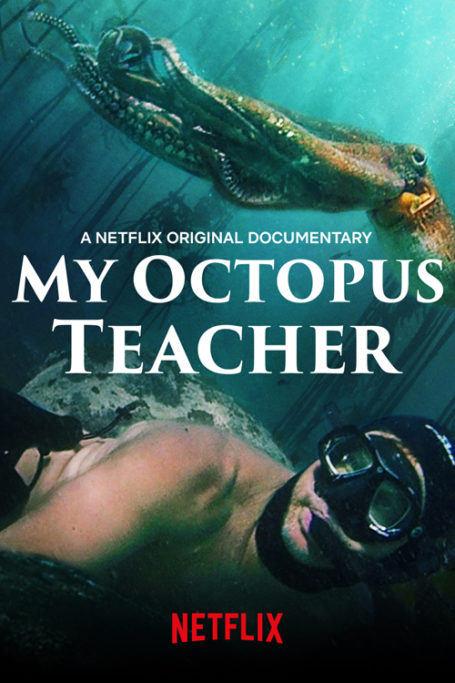
My Octopus Teacher (2020)
My Octopus Teacher received mass acclaim – even winning the 2021 Academy Award for Best Documentary Feature, and BAFTA for Best Documentary. It documents the story of filmmaker Craig Foster free diving in an underwater kelp forest near Cape Town when he comes across a playful and curious young octopus. Over the course of a year, their relationship blossoms, and the octopus allows Foster to see how she sleeps, eats and defends herself against frequent attacks from pyjama sharks.
The resilience of the octopus is hard to believe, from regenerating a tenacle lost in an attack, to sticking to sharks as a means of survival. After laying eggs, the octopus dies naturally, and later her dead body is scavenged by a shark. Foster highlights the lessons he was taught by the octopus, from the fragility of life to the essential relationship between man and nature.
Streaming on Netflix.
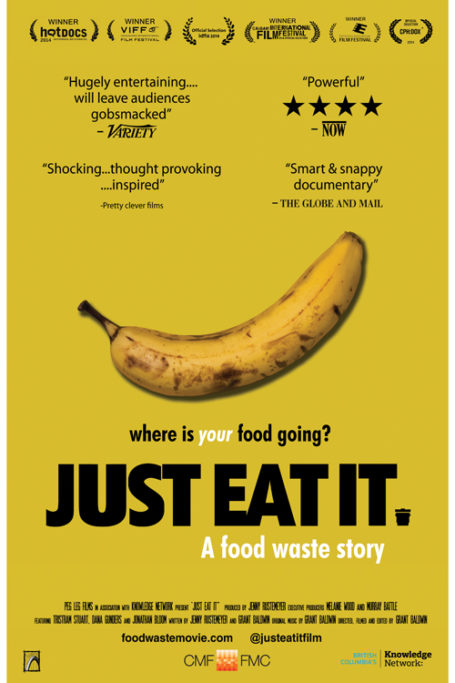
Just Eat It: A Food Waste Story (2014)
According to Just Eat It: A Food Waste Story, 40 percent of all food produced in North America never gets eaten. Exploring society’s obsession with expiry dates, perfect-looking produce and portion sizes, filmmaker Grant Baldwin and his co-writer Jenny Rustemeyer attempt to eat only discarded food for six months.
Drawing attention to an often-overlooked topic, Baldwin and Rustemeyer address overconsumption in a very palatable way, using a reality TV style tone to bring lightness to the subject. Though entertaining and gameified, Just Eat It: A Food Waste Story also highlights the how small changes in supermarket choices can have a massive impact on the environment.
Available to rent on Apple TV.
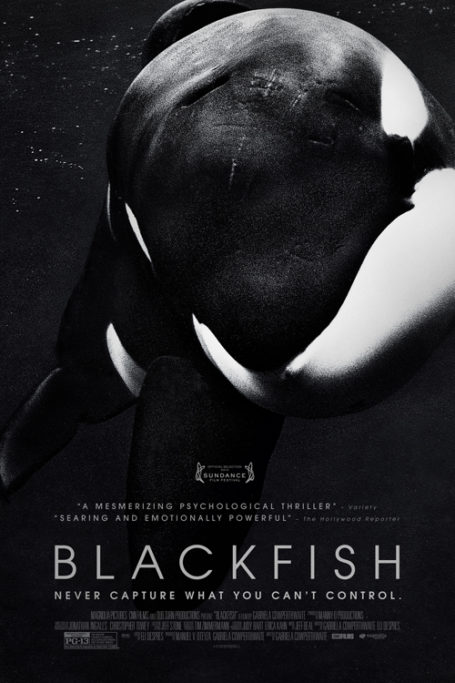
Blackfish (2013)
Blackfish took the world by storm when it was released in 2013. The documentary follows Tilikum, an orca who was held in captivity by SeaWorld, starting from his capture in 1983 and including the multiple attacks he made on trainers. An orca has never fatally killed a human in the wild, however four have occurred in captivity – three of them were carried out by Tilikum.
The documentary massively shifted public perception of orcas in captivity, and in 2015 SeaWorld announced the end of its orca breeding programme, and it plans to phase out all current orca shows. However, there are still 16 orcas at SeaWorlds across the U.S., kept in small tanks and used for performances, and 52 held across the world. Blackfish remains just as poignant more than a decade after it was released.
Available to rent across platforms.
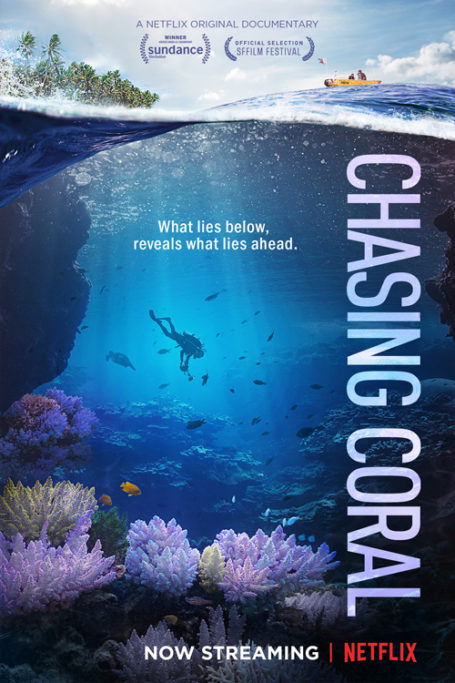
Chasing Coral (2017)
Between 2014 and 2017, 75 percent of the world’s coral suffered or died due to heat stress bought on by climate change. Chasing Coral captured this mass bleaching of the rainforests of the sea – an ecosystem which houses a quarter of all marine creatures.
What makes Chasing Coral so special is the beautiful way it was shot. The documentary opens with brilliantly bright colours, but captures the coral fading to a skeletal white using time-lapse technology. Like the best documentaries, it ends with optimism, urging viewers to take action to delay the effects of climate change, and answer coral’s ‘call for help’.
Streaming on Netflix.