







Gran Canaria’s Maspalomas Dunes: A Naturist Paradise or a Protected Sanctuary Under Siege?
MASPALOMAS, GRAN CANARIA – A recent guide published by the global tourism giant TUI has cast a spotlight on an escalating environmental dilemma in southern Gran Canaria: the incongruity between the international promotion of protected natural areas and the stark reality of their conservation challenges on the ground.
TUI’s guide, which champions nudist hiking in Europe, prominently features the iconic Maspalomas Dunes and its adjacent coastal strip among the continent’s most alluring destinations for naturism and nude walking. However, this very recognition underscores a critical tension, as the Special Nature Reserve is currently grappling with stringent access restrictions implemented to combat its alarming environmental degradation.
Intensified Surveillance and Daily Breaches
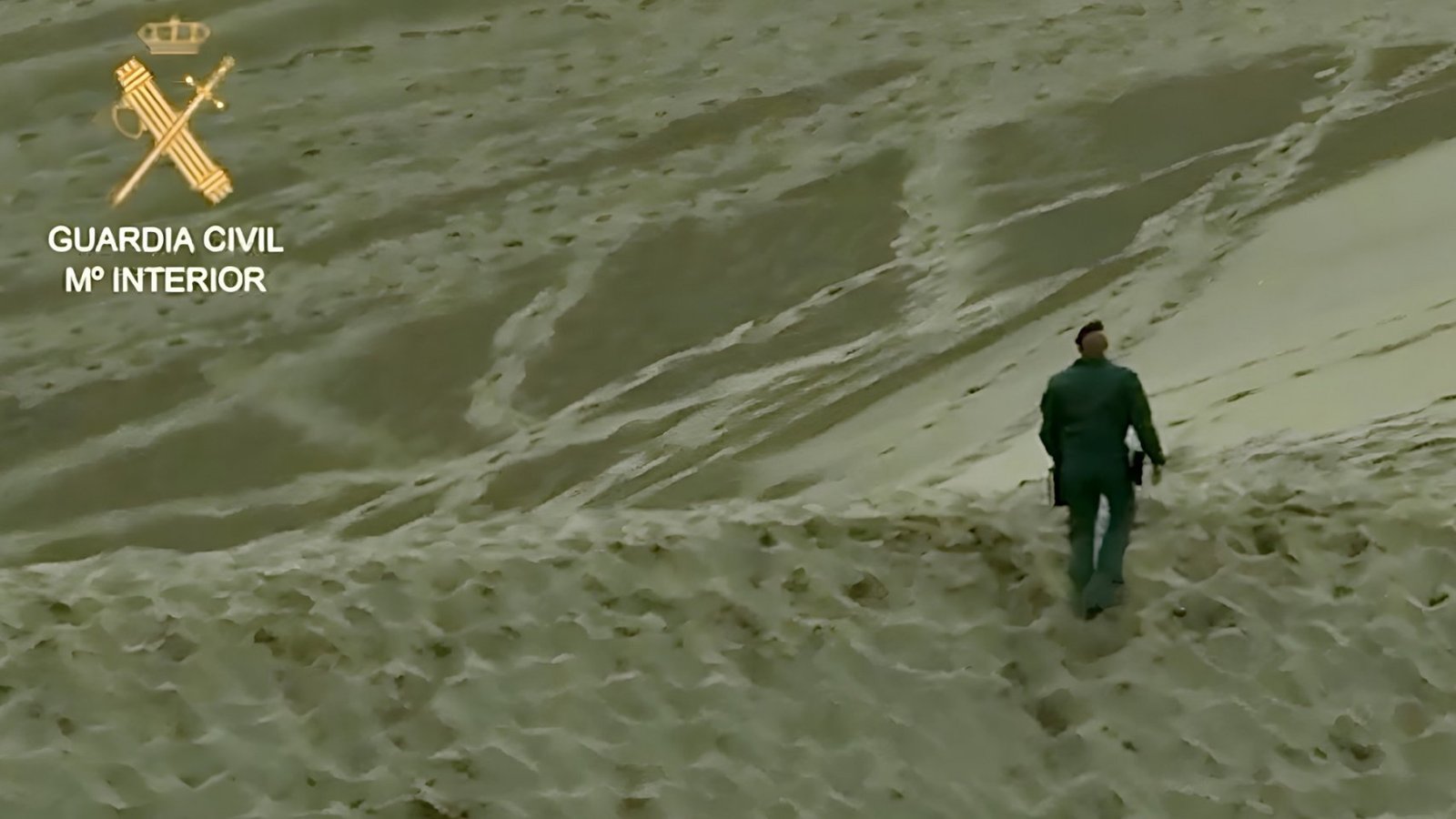
Local authorities have significantly ramped up efforts to protect this delicate ecosystem. Both the Civil Guard, through its Nature Protection Service (SEPRONA), and the Environmental Agents of the Gran Canaria Island Council have intensified surveillance within the Special Nature Reserve. The official figures paint a sobering picture of the daily struggle: between 150 and 300 individuals are observed improperly accessing protected areas, straying far beyond the designated authorized trails.
This influx of visitors reaches critical levels particularly at sunset. During these peak hours, up to 500 people converge, drawn by the allure of watching the sun dip below the horizon or capturing panoramic photographs. This high volume of unregulated foot traffic generates a direct, cumulative, and detrimental impact on the endemic flora and fauna that constitute the very essence of the dune ecosystem’s biodiversity.
The FKK Philosophy vs. Fragile Habitat Protection
TUI’s guide encourages travelers to embrace the FKK (Free Body Culture) philosophy, inviting them to “connect with nature” in this emblematic Gran Canarian landscape. The tour operator states, “Just like in nudism, it’s about going without clothes and embarking on a little adventure by breaking this taboo.” Further emphasizing the sensory experience, TUI adds, “Whether you find it more or less bothersome, the truth is that you can use your senses more when you go hiking naked.”
While the appeal of such an experience is undeniable, local authorities are compelled to reiterate a critical message: access to the Maspalomas Dunes is strictly limited. This limitation is not arbitrary but a vital measure designed to protect a fragile habitat constantly threatened by overcrowding and human interference. The delicate balance of the dunes, which supports unique plant and animal species, is at risk from unauthorized paths and the sheer volume of visitors.
Seeking Compliant Alternatives for Naturists
For naturism enthusiasts committed to fully compliant practices, both international and regional options abound. These alternatives offer a responsible way to enjoy the FKK philosophy without compromising sensitive natural environments. Examples include the expansive, secluded coastlines of Fuerteventura and Lanzarote within the Canary Islands, providing ample space for uninhibited enjoyment.
Beyond Spain, established marked trails in the German forests of the Harz and Undeloh offer regulated naturist hiking experiences. Similarly, enclaves on the French Riviera, such as Île du Levant, are renowned for their long-standing embrace of naturism within designated, managed areas. These locations underscore the ongoing challenge faced by the tourism industry and conservation efforts alike: how to effectively balance the promotion of open-air, freedom-oriented activities with the strict preservation requirements of precious natural environments.
The case of the Maspalomas Dunes serves as a poignant example of a global trend where popular tourist destinations struggle to reconcile their appeal with the imperative of ecological protection, urging a more mindful approach from both visitors and promoters.