







India is closely monitoring a new defense pact signed between Pakistan, Saudi Arabia, and Turkey, with the Ministry of External Affairs (MEA) currently assessing its implications for New Delhi’s national security and regional stability.
MEA spokesperson Randhir Jaiswal stated on Tuesday that India is studying the agreement’s ramifications amidst the ongoing security turmoil in the Middle East. “Regarding the agreement that was signed recently, let me say that we continue to closely follow developments in the West Asia conflict,” Jaiswal commented. He added, “As far as this particular agreement is concerned, we are examining its implications, both from the perspective of our national security as well as considerations of regional stability, peace and stability.” Jaiswal affirmed that India would take necessary measures to protect its interests if required, stating, “India remains fully committed to meeting or safeguarding its national interests and will take all necessary measures in this regard.”
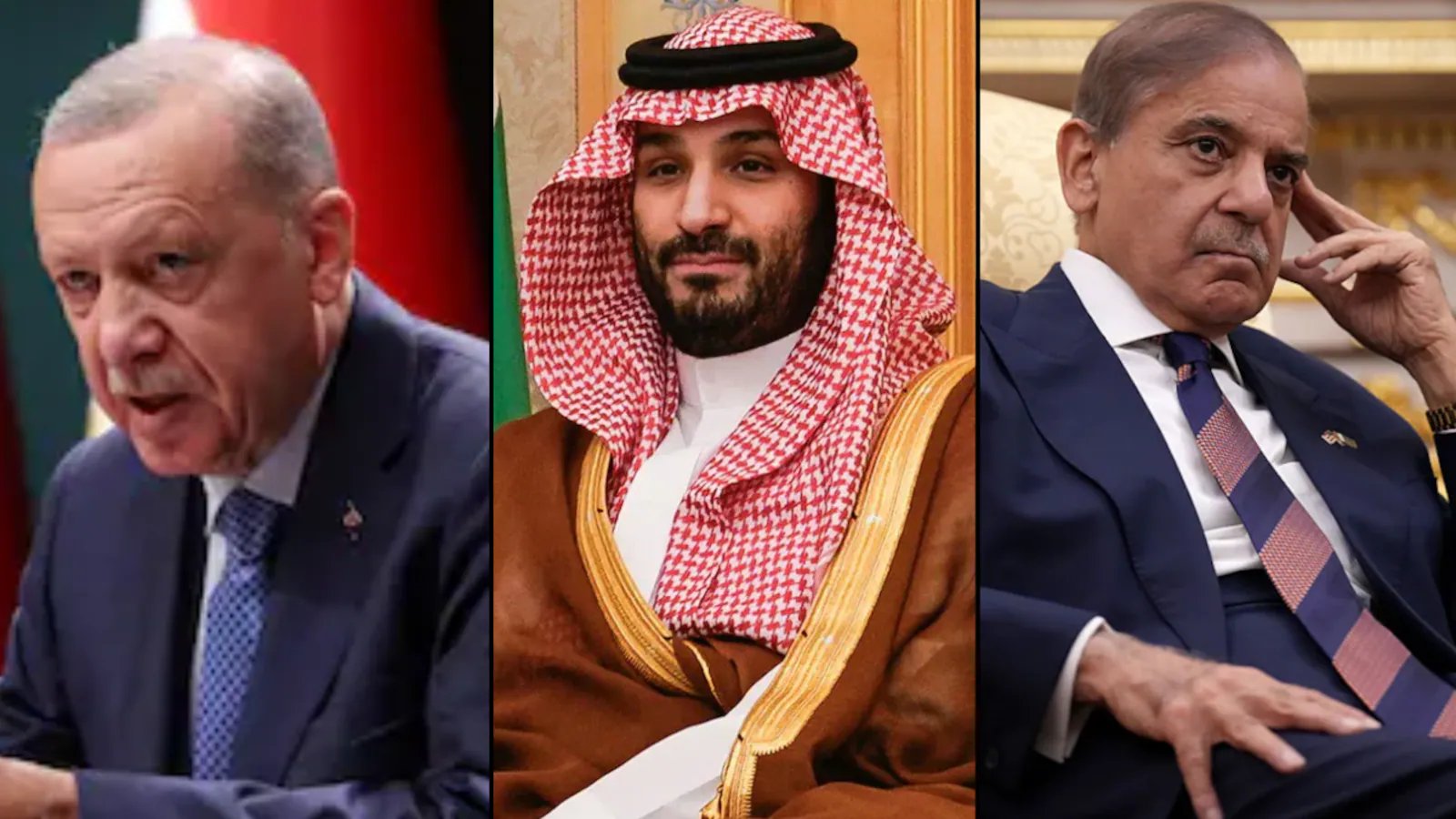
The agreement, dubbed the “Mecca Pact,” was formalized on Friday, August 7, in Mecca, signed by Saudi Crown Prince Mohammed bin Salman, Turkish President Recep Tayyip Erdogan, and Pakistan Prime Minister Shehbaz Sharif. Official releases from the three nations highlight a core commitment to collective defense, stipulating that an armed attack on one signatory would be considered an act of aggression against all three. The pact aims to “strengthen collective deterrence against any act of aggression” and enhance all aspects of defense cooperation, including joint defense manufacturing and counter-terrorism efforts.
Despite the comprehensive nature of the pact, Riyadh has sought to temper concerns that it might establish a new military or religious bloc in the region. Saudi Arabia explicitly stated that the agreement is neither a military alliance nor a religious faction, and it does not involve nuclear ambitions or an attempt to instigate a regional arms race. Instead, the treaty is presented as a means of “building sustainable self-reliant capabilities” while maintaining Saudi Arabia’s existing relationships with Gulf, Arab, and international partners.
Turkey has similarly framed the agreement as a broader regional security framework, not directed at any specific country. President Erdogan, in a statement on X, emphasized that the arrangement is rooted in collective deterrence, designed to expand defense cooperation, support joint defense production, and bolster counter-terrorism initiatives. He further noted that the pact recognizes the right to self-defense under Article 51 of the UN Charter, is not aimed at any particular nation, and could be open to other countries committed to regional peace, prosperity, and stability.
This new security arrangement emerges against a backdrop of increasing volatility in the Middle East. Since February 28, the region has experienced direct military confrontations, breakdowns of ceasefires, and significant disruptions around the Strait of Hormuz, impacting global energy supplies and shipping. For India, the pact carries additional weight due to its established close ties with Saudi Arabia, its strategic relationship with Turkey, and its longstanding security concerns involving Pakistan. The Mecca agreement also builds upon a previous Pakistan-Saudi defense pact from September, which contained a similar provision treating an attack on one signatory as an attack on both. India’s public declaration of assessing the pact’s implications underscores that this evolving security arrangement is a significant focus for New Delhi.