






Tide Returns to Greatham Marsh After Two Centuries in Landmark £4.5M Restoration
In a monumental environmental achievement, the tide has officially returned to Greatham Marsh in Hartlepool for the first time in over 200 years. This significant milestone marks the completion of the Environment Agency’s £4.5 million Greatham Marsh Restoration Scheme, a collaborative effort set to rejuvenate a vital coastal ecosystem.
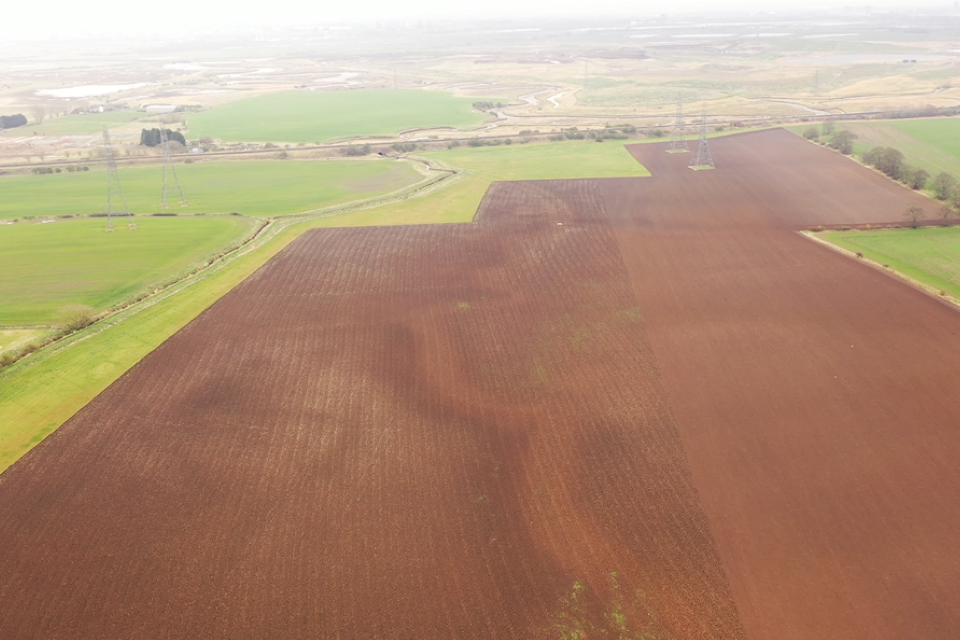
Greatham Marsh before restoration works. Credit: Environment Agency
The ambitious project, undertaken by the Environment Agency in partnership with The Greatham Foundation and Northumbrian Water, involved the restoration of Greatham Beck to its original course and the strategic removal of a long-standing tidal barrier. This intervention has allowed the natural ebb and flow of the tide to reclaim an area of land that was historically won from the sea over two centuries ago.
This initiative forms a critical component of the broader £30 million Tees Tidelands Programme. This extensive programme is dedicated to realigning flood defences, restoring crucial intertidal and river habitats, and re-establishing connections between tributaries and local communities with the Tees Estuary.
The Restoration Project: A Blueprint for Ecological Revival
At the heart of the Greatham Marsh project was the restoration of Greatham Beck, whose original path had been altered approximately 50 years prior. Sections of outdated flood bank were dismantled, alongside the removal of a redundant tidal sluice. These actions are designed to facilitate the natural re-establishment of coastal saltmarsh, creating invaluable wetland habitats essential for diverse wildlife.
The restoration is poised to rejuvenate 21.3 hectares of coastal saltmarsh, mudflat, and high tide roosts. These habitats are crucial for internationally important species, including the curlew and avocet, providing them with much-needed feeding and nesting grounds.
Beyond biodiversity, the scheme is expected to yield significant environmental benefits, including improved water quality and enhanced resilience for the region against the dual threats of climate change and rising sea levels. Following the successful engineering phase, native hedgerows will be extensively planted across the site, complemented by hedgerow enhancements and tree planting. Additionally, nine hectares of neutral grassland will be sown, further enriching the area’s ecological tapestry.
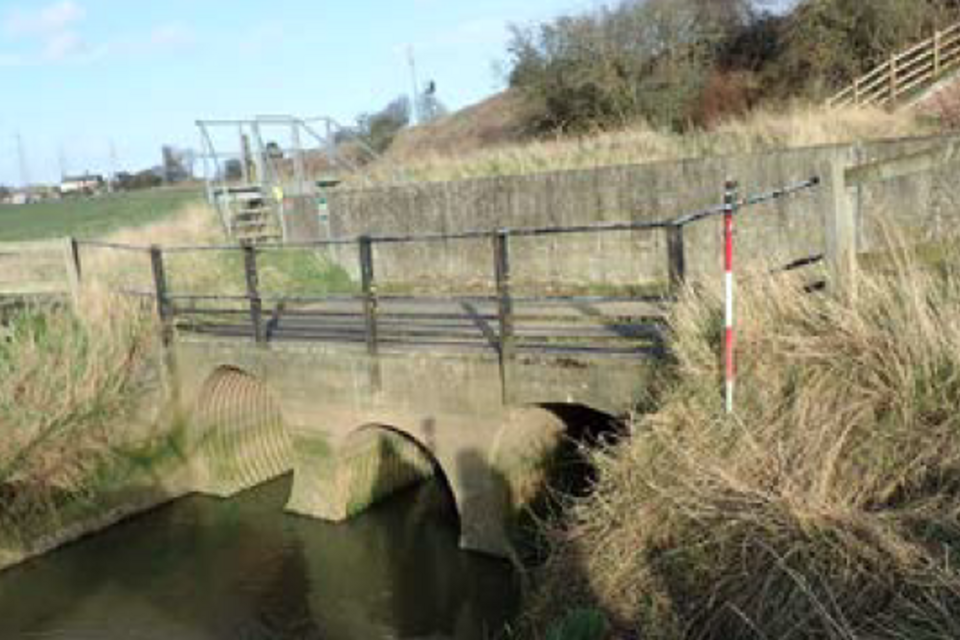
Tidal structure before the restoration works. Credit: Environment Agency
A strategic outcome of the project is the removal of flood defences that are no longer essential, enabling the Environment Agency to concentrate its resources on maintaining defences that directly safeguard people and property.
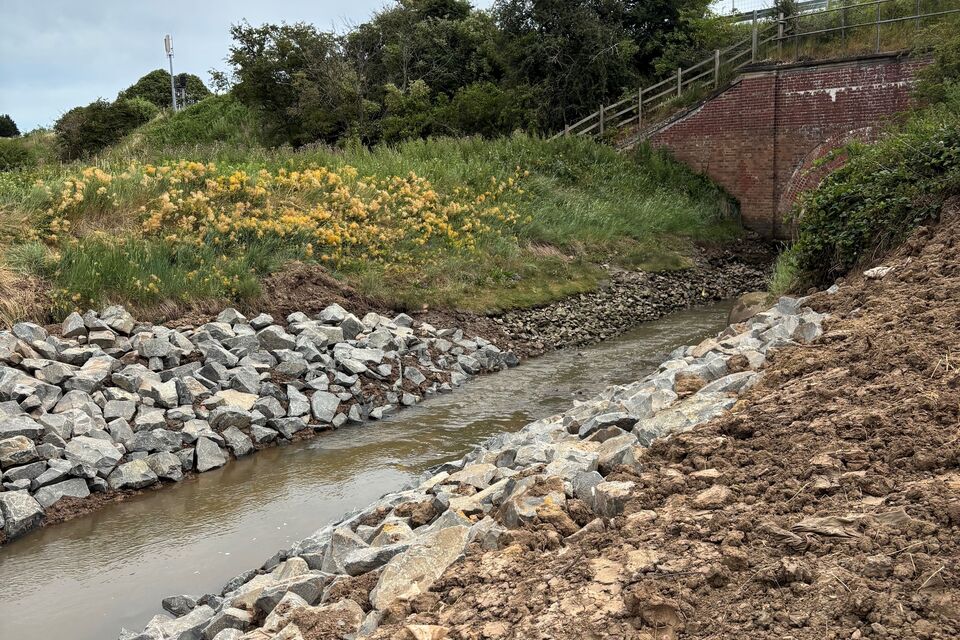
The site of the tidal sluice following its removal. Credit: Environment Agency.
Matthew Rountree, Environment Agency Project Manager, commented: “This project enables the restoration of a large area of coastal saltmarsh on the Tees Estuary through natural processes. The area will provide valuable habitat for wildlife and capture hundreds of tonnes of carbon each year.”
“By allowing Greatham Beck to return to its natural form, we are restoring balance to the estuary and allowing the tide to return to areas lost to development. It also enables migratory fish to return after decades of absence. Our next steps are seeding the intended grassland and planting 1.7km of species-rich native hedgerow and ecologically valuable treeline.”
Deborah Lewis-Bynoe, Chief Executive, The Greatham Foundation, expressed her pride: “The completion of the Greatham Saltmarsh Restoration Scheme is a fantastic milestone, and we are incredibly proud to have worked alongside the Environment Agency and Northumbrian Water. Working in partnership to achieve outcomes like this reflects our commitment to enhancing the sustainability of our charity and creating a positive and lasting impact across our communities, both for people and for the environment.”
Richard Warneford, Wastewater Director at Northumbrian Water, added: “The benefits from this scheme are significant and diverse, but ultimately great news for the environment and a real boost for the Tees. Playing a role in helping make the Greatham Marsh Restoration Scheme a reality is part of our wider commitment to supporting improvements for the Tees Estuary through direct investment and engagement with wider partnership working.”
Background to a Transformative Project
Northumbrian Water’s Contribution
Northumbrian Water’s involvement includes a substantial £2.086 million contribution towards the Greatham Marsh project. This funding is dedicated to investigating the nutrient reduction benefits inherent in the scheme’s ecological approach.
Greatham Saltmarsh Restoration Project Significance
The restoration site directly borders the Teesmouth and Cleveland Coast Special Protection Area (SPA) and Ramsar site, which is also designated as a Site of Special Scientific Interest (SSSI). The re-established saltmarsh will play a crucial role in capturing nutrients that would otherwise fuel algal growth, which can smother estuary mudflat habitats and deprive birds of essential food sources. Furthermore, saltmarsh is renowned for its carbon sequestration capabilities, making this project a key contributor to climate change mitigation efforts.
The Environment Agency collaborated with a consortium of partners on the Greatham Marsh Restoration, including The Greatham Foundation (landowners), BAM Nuttall (contractors), JBA Consulting (designers), Turner & Townsend (project management support), and Northumbrian Water (financial contributors). The project navigated various challenges, including extreme weather conditions, unexpected archaeological findings, and the presence of nesting birds, demonstrating a commitment to sensitive and adaptive project management.
The Tees Tidelands Programme
The River Tees Estuary, a hub of industrial activity, has historically seen the loss of 90% of its intertidal habitat due to human intervention, along with barriers on all its tributaries. The Tees Tidelands Programme is a pioneering initiative designed to help the estuary adapt to climate change. It aims to restore over 50 hectares of mudflats, saltmarsh, and other critical estuarine habitats, while simultaneously reducing flood risk for local homes and businesses. The programme’s ambitious scope includes schemes across Teesside, in areas such as Greatham, Port Clarence, Portrack, and along the banks of the River Tees and its tributaries like Lustrum Beck, Ormesby Beck, and Billingham Beck.
The Greatham Foundation
The Greatham Foundation, a charity with roots dating back to 1273, is committed to supporting older people and individuals affected by dementia. Through its residential care home, dementia support services, day services, Almshouses, and grant funding, the foundation strives to enhance lives, combat isolation, and foster lasting social impact across the region. More information about their work can be found at www.thegreathamfoundation.org.
This article is based on information provided by the Environment Agency and its partners involved in the Greatham Marsh Restoration Scheme.