








Europe Revs Up Circular Economy: Landmark ELV Regulation Takes Effect, Transforming Automotive Sector
Brussels, [Insert Date] – A new era for sustainable automotive production and waste management dawns today as the End-of-Life Vehicles (ELV) Regulation officially enters into force. This pivotal legislation marks a comprehensive overhaul of the rules governing vehicle design, production, collection, and end-of-life treatment across the European Union, aiming to fundamentally strengthen circularity within the automotive sector.
The Regulation is poised to be a game-changer, fostering enhanced resource efficiency, increasing the recovery and reuse of valuable materials, and significantly improving the environmental performance of vehicles throughout their entire lifecycle. Beyond environmental benefits, the new framework is strategically designed to fortify Europe’s industrial base by securing a more stable supply of secondary raw materials, thereby diminishing reliance on imported virgin resources.
A core tenet of the new rules is the encouragement of vehicle designs that inherently facilitate dismantling, reuse, recycling, and recovery. This includes a renewed focus on providing comprehensive information regarding the removal and replacement of components, both during a vehicle’s operational life and at its end. This forward-thinking approach is expected to empower both the automotive and recycling industries to more efficiently recover higher-quality components and materials.
Mandatory Recycled Content Targets Drive Market for Secondary Raw Materials
A key innovation within the Regulation is the establishment of mandatory targets for recycled material content in new vehicles. Notably, new vehicles will be required to incorporate 15% recycled plastic content from 2032, rising to a significant 25% from 2036. Furthermore, the European Commission is set to introduce recycled content targets for steel and aluminium, slated for implementation from 2033.
These ambitious recycled content requirements are heralded as a critical step towards cultivating a genuine market for secondary raw materials. By providing long-term certainty to investors and manufacturers, the Regulation is anticipated to stimulate substantial investment in recycling capacity, ensuring valuable materials remain within the European economy. This strategic move not only bolsters Europe’s industrial resilience but also reduces its dependency on imported virgin raw materials.
Stricter Enforcement and Enhanced Traceability for a Cleaner Future
The new ELV Regulation introduces robust measures to strengthen the collection and traceability of vehicles reaching their end-of-life. Reinforced traceability requirements, coupled with more stringent enforcement mechanisms and clearer criteria distinguishing used vehicles from end-of-life vehicles, are designed to significantly improve implementation across all Member States.
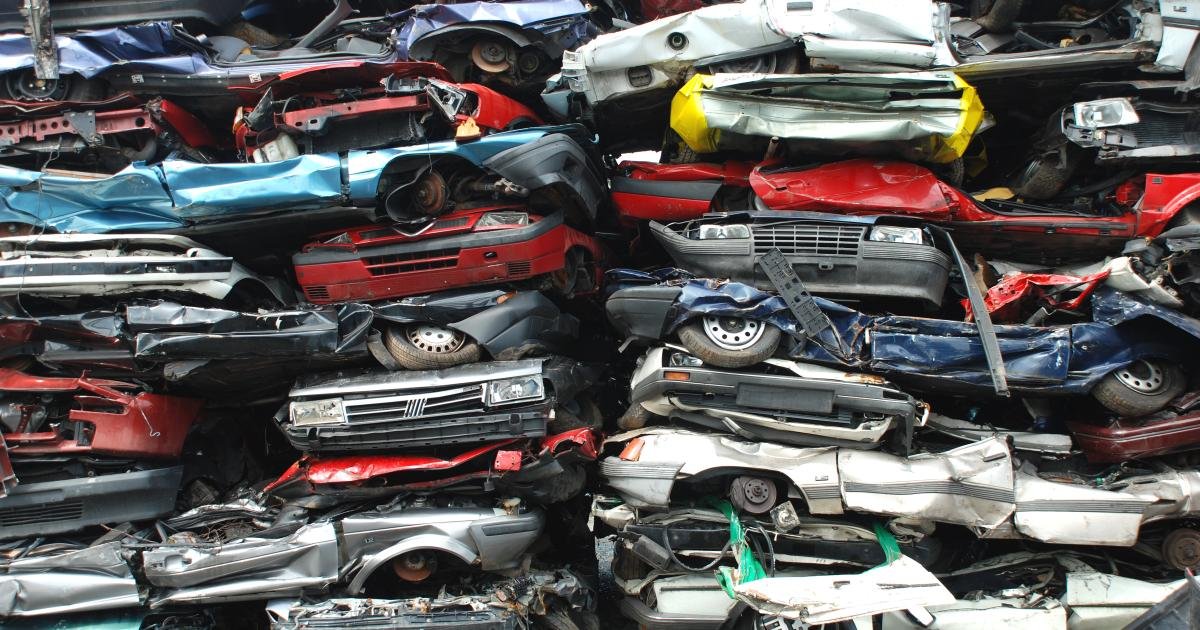
Further provisions are aimed at boosting the recovery of critical raw materials, such as aluminium, copper, and rare earth elements, from end-of-life vehicles. This facilitates their reuse and recycling within the EU, contributing to a more sustainable resource loop.
In a move to combat illicit waste exports, the Regulation stipulates that from mid-2031, only roadworthy vehicles may be exported outside the EU. This measure is crucial in protecting the environment and preventing end-of-life vehicles from being misclassified and exported as second-hand vehicles.
Extended Producer Responsibility: A Catalyst for Sustainable Design
The legislation significantly strengthens the concept of Extended Producer Responsibility (EPR), mandating that producers contribute to the costs associated with collecting and treating end-of-life vehicles. By holding producers accountable for the end-of-life phase of their products, the framework creates powerful incentives for the development of more sustainable vehicle designs. This also ensures that high-quality collection, dismantling, and recycling systems are adequately financed.
The Regulation also fosters greater cooperation between producers and waste management operators and expands its scope to encompass additional vehicle categories, including lorries, buses, and motorcycles, thereby broadening its environmental impact.
A Vision for a Resilient and Sustainable Europe
This new End-of-Life Vehicles Regulation modernises and replaces the existing framework, notably revising Directive 2000/53/EC on end-of-life vehicles and Directive 2005/64/EC on the type-approval of motor vehicles with regard to their reusability, recyclability and recoverability.
The entry into force of this landmark Regulation represents a significant stride towards a more resilient, sustainable, and competitive European economy. By bolstering the recovery, reuse, and recycling of materials and components from vehicles, it ensures that valuable resources remain within Europe’s economy for longer periods, reducing reliance on primary raw materials. This transition towards a more circular automotive sector maximizes resource efficiency and enhances environmental protection across the entire vehicle lifecycle.
"The new End-of-Life Vehicles Regulation sets a new European standard for how vehicles should be designed, produced and recovered. This is about more than recycling – it is about securing critical materials and making our automotive sector truly circular. Every car that is dismantled, every tonne of steel, aluminium, copper or plastic that is recovered, is a step towards a more resilient Europe,” commented Jessika Roswall, Commissioner for Environment, Water Resilience and a Competitive Circular Economy.
Stéphane Séjourné, Executive Vice-President for Prosperity and Industrial Strategy, added, "The End-of-Life Vehicles Regulation is not just about waste, it is about resilience and Europe’s industrial future. It helps cut our dependencies on external suppliers, strengthens Europe’s economic security and keeps strategic resources within the EU. That is not only good environmental policy – it is hard-headed industrial policy.”
This comprehensive legislative effort underscores the EU’s commitment to achieving greater resource independence, strengthening the sustainability and competitiveness of its industrial ecosystem, and reinforcing its leadership in the global transition towards a cleaner and more resource-efficient future.
More Information
End-of-Life Vehicles | European Commission