






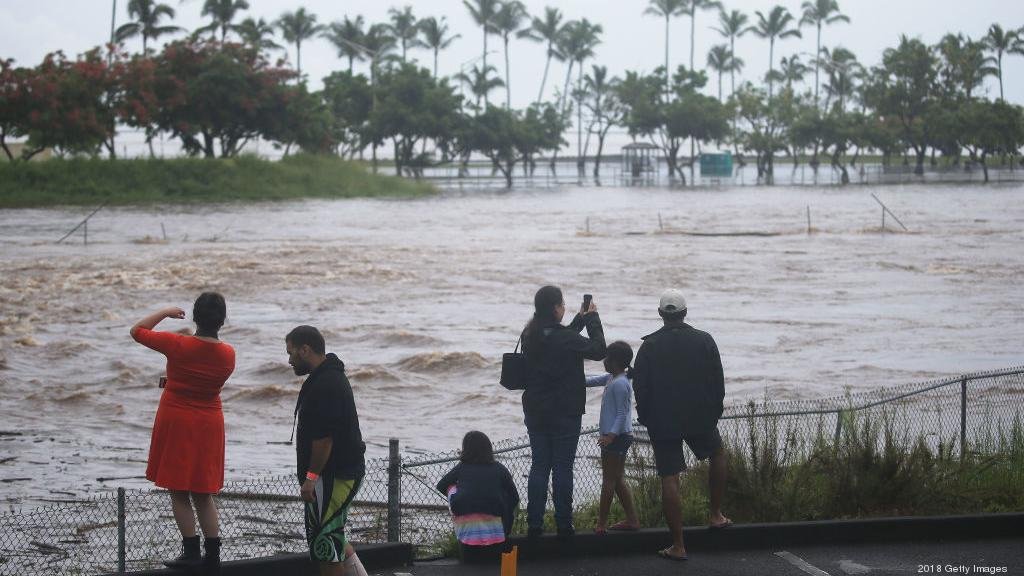
As Tropical Storm Lala churns closer to the Hawaiian Islands, businesses are facing an urgent call to action, demanding a thorough reassessment of their disaster plans. This isn’t merely a recommendation; it’s a critical imperative for safeguarding operations, assets, and personnel. The dynamic and unpredictable nature of tropical storms like Lala necessitates a proactive, multi-faceted approach to preparedness.
One of the cornerstones of effective storm readiness is a comprehensive review of existing disaster plans. This involves not only dusting off old documents but actively updating them to reflect current operational realities, new technologies, and lessons learned from past weather events. Key elements to scrutinize include emergency contact lists, evacuation procedures, and protocols for securing physical premises. Are these plans easily accessible to all employees, and are they clearly understood? Regular drills and simulations are invaluable for identifying weaknesses and ensuring that staff can execute these plans efficiently under pressure. Businesses should also consider how they will maintain essential services and operations in the event of power outages or disruptions to supply chains. This might involve exploring alternative power sources, such as generators, or establishing agreements with backup suppliers located outside the storm’s projected path.
Equally vital is a meticulous examination of insurance coverage. Underinsurance can be catastrophic for businesses in the aftermath of a major storm, leading to prolonged recovery times and even permanent closure. Businesses should consult with their insurance brokers to understand the specifics of their policies, including deductibles, coverage limits for property damage, business interruption, and flood insurance, which is often a separate policy. It’s crucial to confirm that coverage adequately reflects the current value of assets and potential income loss. Documenting all existing assets with photographs or video and storing these records securely off-site can significantly streamline the claims process should damage occur. Understanding the nuances of what is and isn’t covered can prevent unpleasant surprises during a difficult period.
Finally, effective communication strategies are paramount both before, during, and after a storm. Businesses need to establish clear channels for informing employees about potential threats, operational changes, and safety guidelines. This could involve using a variety of platforms, such as email, text alerts, and dedicated internal communication systems, to ensure messages reach everyone. Equally important is how businesses will communicate with their customers and suppliers. Proactive updates about potential delays or service interruptions can manage expectations and maintain customer loyalty. Furthermore, having a designated spokesperson and a plan for media inquiries can help control the narrative and provide accurate information to the public. Beyond internal and external communications, businesses should also identify reliable sources for official weather updates and emergency alerts, integrating these into their preparedness protocols. The ability to disseminate accurate and timely information can be the difference between organized response and widespread confusion. Staying informed through reliable news sources is crucial for making timely decisions.