








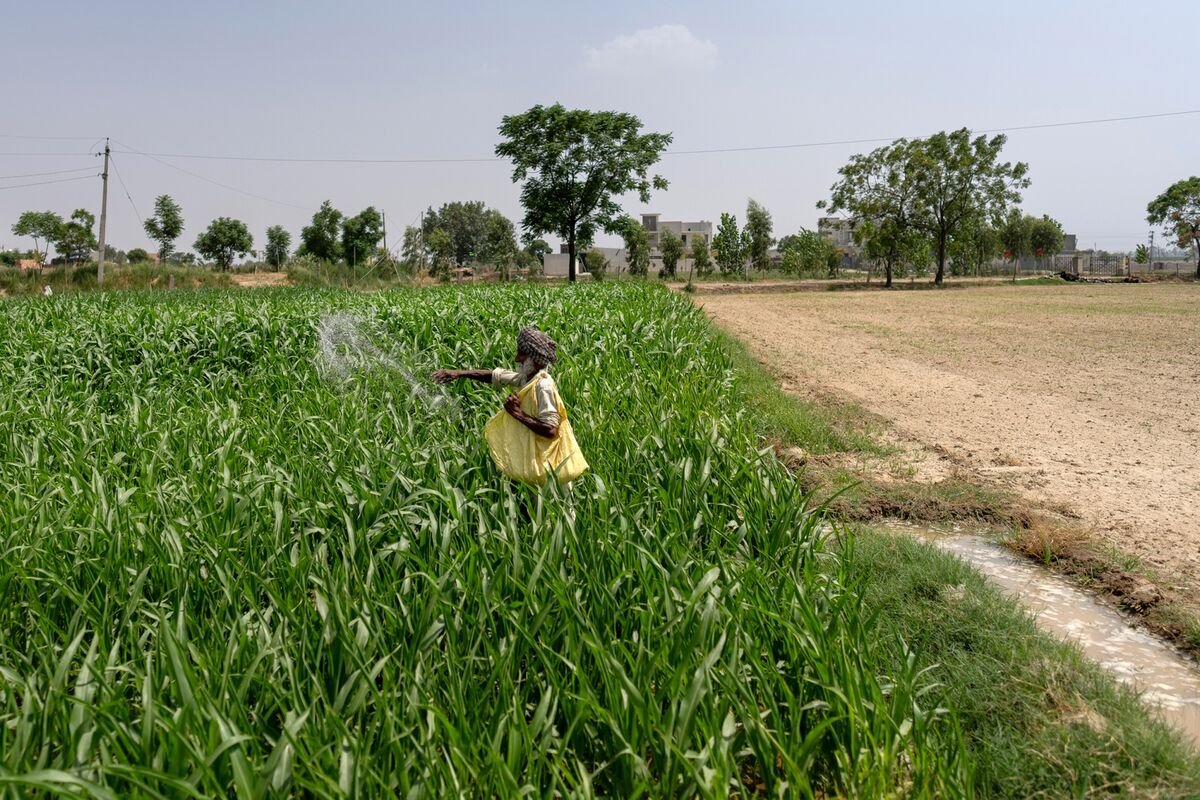
India is currently grappling with a substantial challenge as it strives to reduce its dependence on imported fertilizers, a necessity that has become even more pressing due to volatile global markets. The nation’s fertilizer subsidy, a critical support system for its vast agricultural sector, has ballooned to an estimated $28 billion for the fiscal year ending March 2023. This significant expenditure represents a doubling from the previous year, placing immense strain on government finances. The primary driver behind this surge is the soaring cost of imported fertilizers and their raw materials, exacerbated by the conflict in Ukraine, which has disrupted global supply chains and driven up prices.
Prime Minister Narendra Modi’s administration has actively encouraged farmers to adopt more sustainable agricultural practices, specifically urging them to cut fertilizer use. This initiative aims to mitigate the financial burden of subsidies while also promoting environmental stewardship. A key strategy in this endeavor is the promotion of “nano urea,” a domestically produced liquid fertilizer that offers several advantages over its traditional granular counterpart. Nano urea, developed by the Indian Farmers Fertiliser Cooperative (Iffco), requires smaller quantities for equivalent efficacy, thereby reducing both the volume of fertilizer needed and the associated transportation costs. The government hopes this innovative product will contribute significantly to reducing India’s reliance on costly imports.
Historically, India’s agricultural policy has heavily subsidized fertilizers to ensure food security and support the livelihoods of millions of farmers. However, the current global economic climate necessitates a reevaluation of this approach. The substantial increase in the subsidy bill highlights the vulnerability of India’s agricultural sector to international price fluctuations and geopolitical events. Reducing fertilizer consumption is not merely an economic imperative; it also aligns with broader environmental goals. Excessive use of chemical fertilizers can lead to soil degradation, water pollution, and greenhouse gas emissions. By advocating for judicious application and exploring alternatives, India is working towards a more resilient and environmentally sound agricultural future. This shift in policy reflects a growing awareness of the interconnectedness between economic stability, food security, and ecological sustainability.