







The ‘Maryada Purushottam’ Dilemma: Why Mukesh Khanna’s Critique of the ‘Ramayana’ Teaser Strikes a Nerve
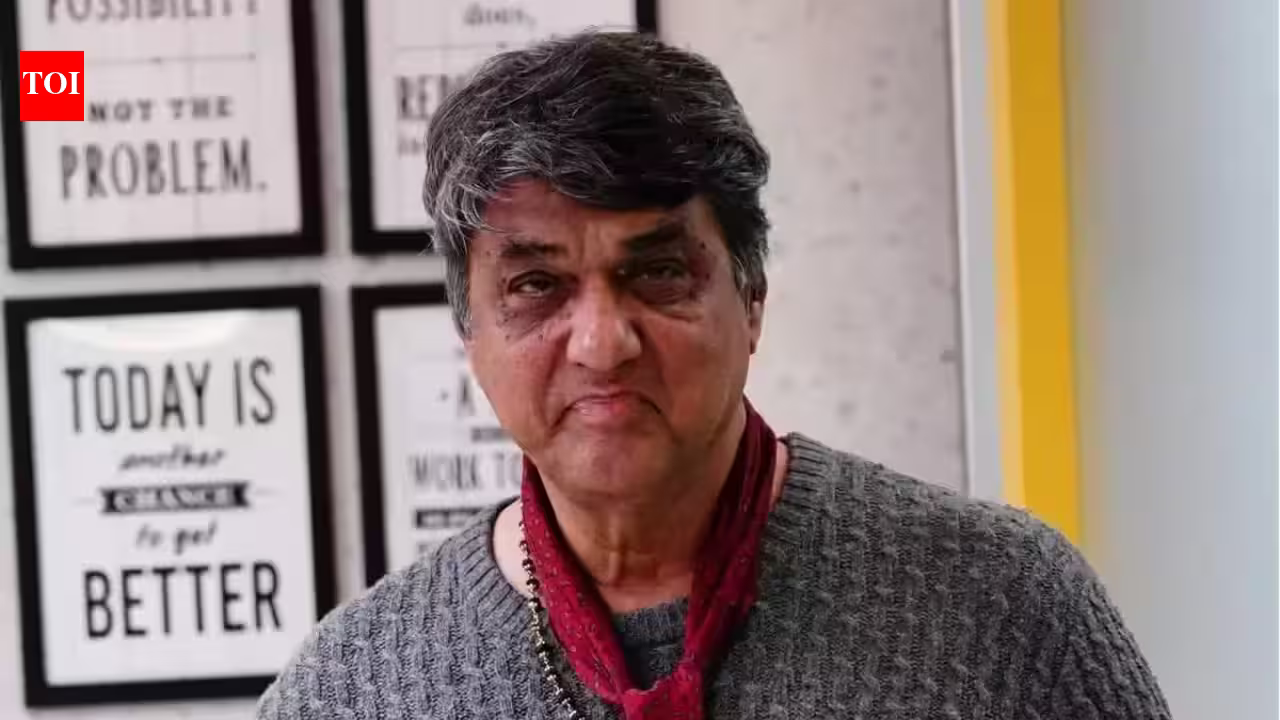
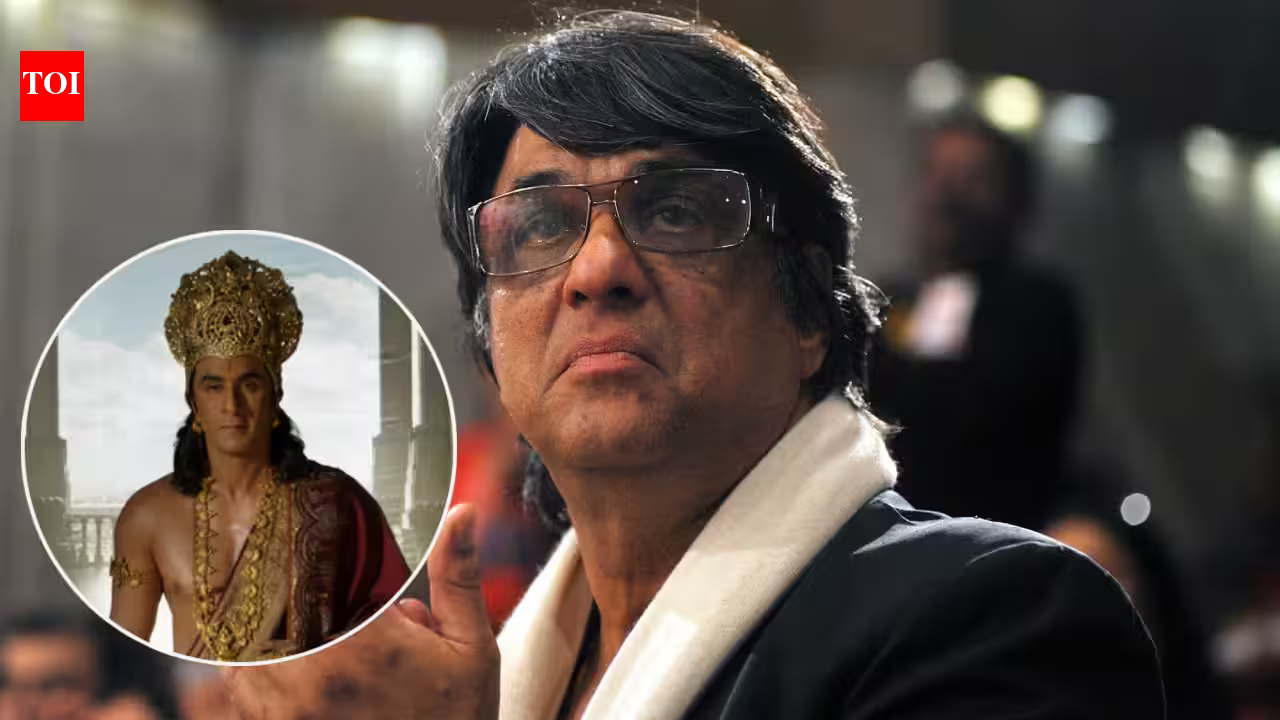
In the high-stakes world of Indian cinema, few projects carry as much cultural and emotional weight as the big-screen adaptation of the Ramayana. When Nitesh Tiwari announced his ambitious two-part vision for the epic, the industry braced for impact. But as the first glimpses of the project—starring Ranbir Kapoor as Lord Ram—begin to circulate, the conversation has shifted from anticipation to a heated debate over sanctity, iconography, and the boundaries of creative liberty. Enter Mukesh Khanna, the veteran actor whose deep-rooted ties to mythological television history have made him a self-appointed guardian of tradition, and he isn’t pulling any punches.
The Action-Hero Problem: A Clash of Identities
Mukesh Khanna’s primary grievance is rooted in the stylistic choices showcased in the initial teaser. For many, Lord Ram is the embodiment of Maryada Purushottam—the supreme man who adheres to the limits of righteousness and decorum. Khanna argues that the footage he witnessed, which features Ranbir Kapoor’s Ram leaping from trees and launching into high-octane, commando-style action sequences, fundamentally misinterprets the essence of the deity.
“I said Schwarzenegger, Salman Khan, Akshay Kumar, and Rajinikanth can do this, but Purushottam would never,” Khanna remarked in a recent interview. His concern is that by stripping away the stoic, serene grace of the character in favor of a modern “action hero” aesthetic, filmmakers are sacrificing the spiritual integrity of the story. In his view, transforming a divine icon into a kinetic, hyper-aggressive fighter is not just an artistic error—it is an affront to the faith of millions.
Theology vs. Choreography: The Ocean Episode
To bolster his argument, Khanna reaches back into the source material, specifically the episode where Lord Ram seeks passage across the ocean to reach Lanka. The account, which is etched into the cultural consciousness of the Indian audience, depicts Ram not as a warrior seeking a fight, but as a leader practicing supreme patience.
Khanna points out that Ram first folded his hands and prayed to the ocean, only resorting to force when diplomacy and devotion failed. “If he were so physically aggressive that he could climb trees and strike down enemies like a commando, why did he even need the army of Vanaras? Why would he need Hanuman and the monkey army?” he asks. For the veteran, these nuances aren’t mere historical details; they are the bedrock of Ram’s personality. To ignore them in favor of flashy, big-budget stunt choreography is to fundamentally misunderstand why the Ramayana remains the central pillar of Indian spiritual life.
The ‘Soft Target’ Controversy
Perhaps the most biting portion of Khanna’s critique lies in his assessment of the broader Indian film industry. He explicitly frames the situation through a socio-political lens, suggesting that Hindu religious figures have become “soft targets” in contemporary cinema.
“People of other religions aren’t making these films; Hindus themselves are making them against their own heritage,” Khanna lamented. He argues that this pattern of controversial depictions persists because filmmakers know that the pushback will be limited to voices like his own, and that such friction often provides a “free publicity” boost that keeps the film in the headlines. It is a cynical take on the modern marketing machine—where outrage is treated as a currency that can be traded for footfalls at the box office.
The ‘Animal’ Hangover: Ranbir Kapoor’s Challenge
A significant, if implicit, part of the tension here is the casting of Ranbir Kapoor. Fresh off the massive, albeit hyper-violent, success of Animal, Kapoor is arguably at a career zenith. However, Khanna suggests that this specific professional pivot creates a “clash of image.”
When an audience has just seen an actor embody the unhinged, rage-filled psyche of characters like those in Animal, pivoting to the tranquil, balanced divinity of Lord Ram is a monumental task. Khanna admits, “Look, he is a good actor; he can perform, and he will perform.” Yet, the challenge isn’t just about acting ability—it’s about the audience’s subconscious conditioning. Whether a performer can effectively “cleanse” their public persona to fit the divine archetype of Ram is a question that will likely haunt the film until its release.
A Massive Undertaking: What Lies Ahead
Regardless of the current discourse, Nitesh Tiwari’s Ramayana remains a gargantuan undertaking. With a star-studded ensemble cast—including Sai Pallavi as Sita, Yash as Ravana, and Sunny Deol as Hanuman—the film is clearly aiming for a scale never before seen in Indian mythological adaptations. The involvement of Prime Focus Studios and DNEG suggests that the technical prowess behind the film will be world-class.
Yet, as the release dates for Diwali 2026 and 2027 loom, the team behind the film has a difficult tightrope to walk. They must deliver a cinematic experience that feels fresh and exciting for a new generation of viewers, while simultaneously navigating the rigid, deeply held expectations of a core audience that feels a protective ownership over the epic.
Whether Mukesh Khanna’s critique serves as a necessary wake-up call for the creative team or merely as a spark in an already polarized fire remains to be seen. What is clear, however, is that as the Ramayana makes its way to the silver screen, it will face a scrutiny unlike any other film in recent history. The question is no longer just about whether the movie will be good; it is about whether it will be “true” enough to satisfy the very people it seeks to entertain.
Disclaimer: This content is auto-generated for informational purposes only.
Source: Read Original News