









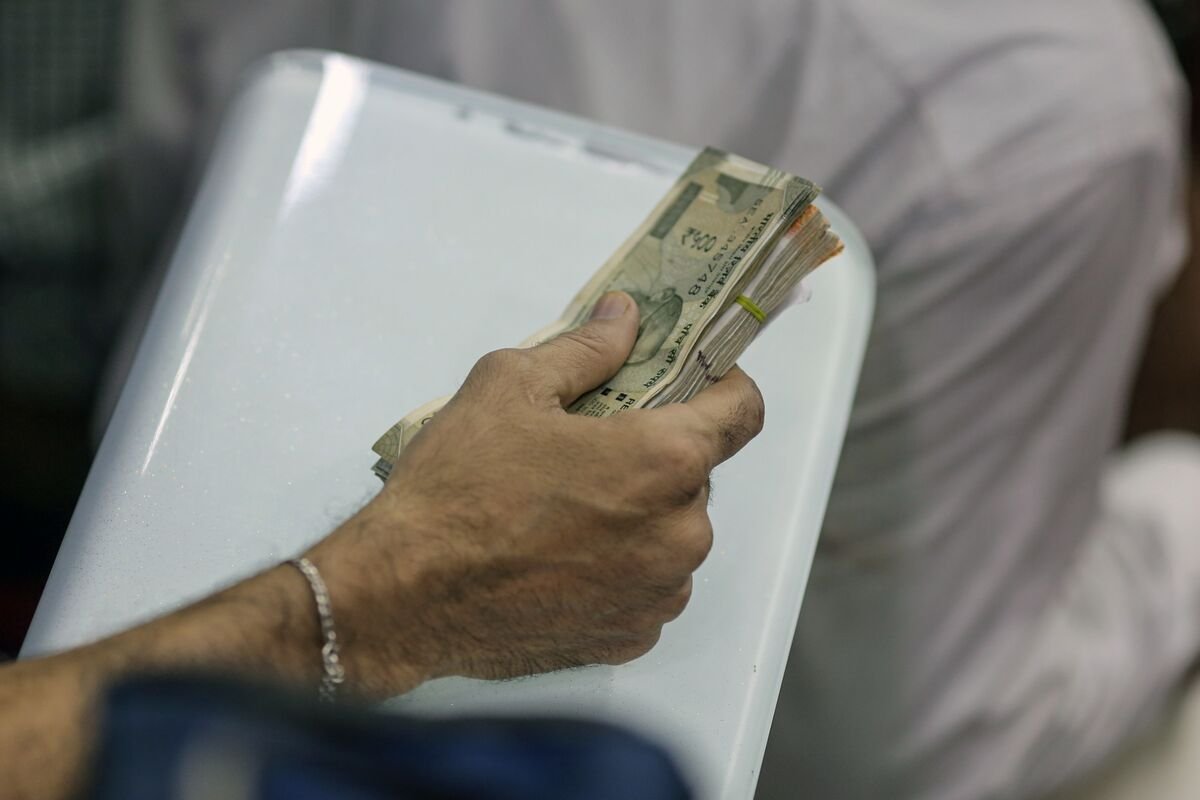
The Indian rupee’s remarkable stability, particularly when contrasted with the more volatile Indonesian rupiah and Philippine peso, is emerging as a significant factor in attracting international investment. This newfound steadiness, detailed in a recent Bloomberg report, suggests a potential shift in how global investors perceive India’s financial markets. For years, concerns over currency fluctuations have acted as a deterrent for foreign capital, adding an element of unpredictability to returns. However, the rupee’s current trajectory hints at a more predictable and therefore appealing investment landscape.
This enhanced stability isn’t merely a coincidence; it’s likely a reflection of robust macroeconomic management and a resilient domestic economy. A stable currency reduces the currency risk for foreign portfolio investors, making Indian assets more attractive. When investors are confident that their returns won’t be eroded by an unpredictable exchange rate, they are more inclined to commit larger sums over longer periods. This could translate into increased foreign direct investment and greater participation in India’s equity and debt markets. The positive ripple effect extends beyond mere capital inflow, potentially bolstering investor confidence in the broader Indian economy. As easing India rupee volatility continues, it could solidify India’s position as a preferred destination for global funds, especially as other emerging markets grapple with their own currency challenges. This trend is particularly relevant given the global search for high-growth opportunities, and India’s economic fundamentals present a compelling case. Investors are increasingly looking at long-term growth prospects, and a stable currency framework significantly de-risks that outlook. The implications for India’s financial sector are substantial, potentially leading to lower borrowing costs for corporations and the government, as well as greater liquidity in the market.