






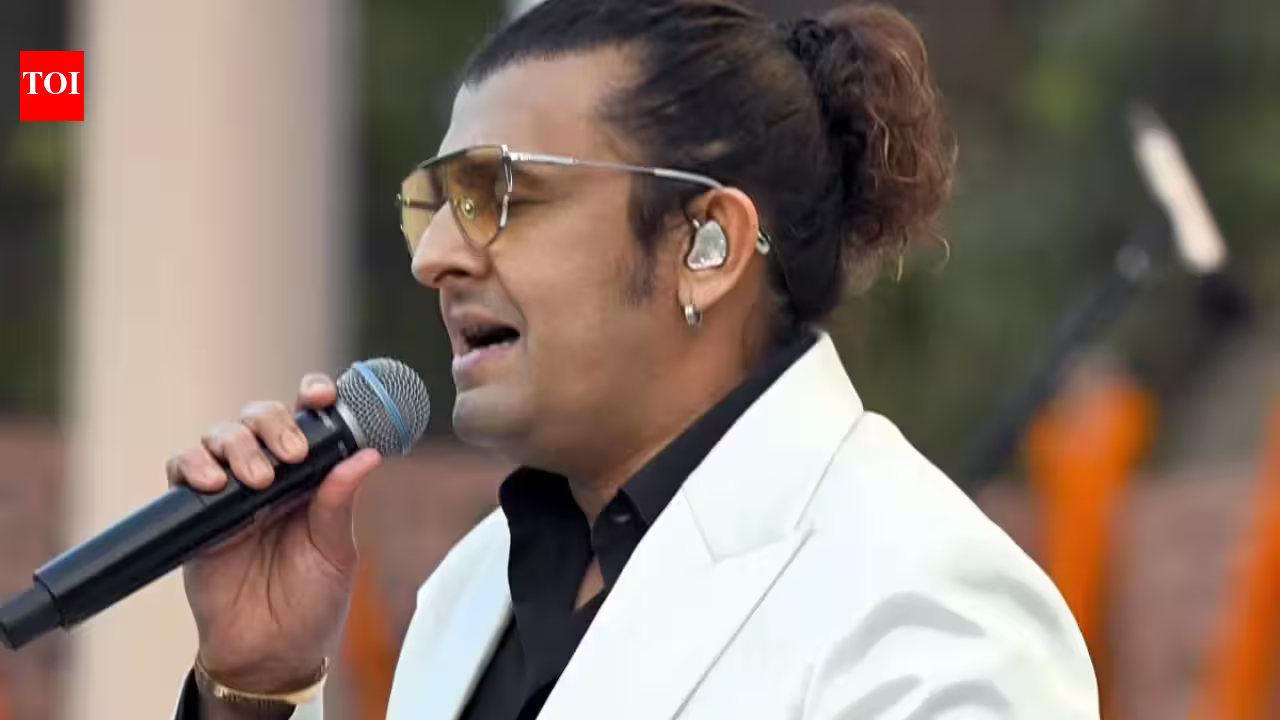
Renowned vocalist Sonu Nigam has openly acknowledged his occasional reliance on auto-tune in certain musical productions, a revelation that has undoubtedly surprised many admirers who have long associated the technology with artists lacking strong vocal prowess. This candid admission from a singer of his caliber offers a nuanced perspective on the evolving landscape of music production. Nigam elaborated on how technological advancements have fundamentally reshaped the recording process for singers. While he considers himself fortunate to have honed his skills through rigorous practice unassisted by technology, he firmly believes that auto-tune holds a legitimate place within the contemporary music industry.
During an interview on the “Game Changers” podcast, Nigam reflected on the significant shifts brought about by the auto-tune era. He remarked, “The era of auto-tune has certainly brought a lot of changes. People say a lot of bad things about it, but I say ‘Jo bhi hua hai aacha hua hai (Whatever has happened is for the good).’ In earlier days, you had to sing without auto-tune, and we are lucky to riyaaz (practise) without it, and now we don’t need it.” This statement underscores his acceptance of technological integration in music.
Despite his traditional training, Nigam confessed to utilizing auto-tune for some of his songs. He elucidated that modern music is characterized by its heavily digitized nature and a much more exacting pitch structure compared to bygone eras when performances were accompanied by live musicians. He explained, “But still, I would say I use auto-tune on certain songs of mine. Everything now is so 440; previously, everything was live. We had live sarangi; live strings, so somewhere our pitch didn’t have to be perfect. Everything now is digitized; everything is going in a straight line, and your voice will sound off if it’s raw. Previously, with live music, we used to adjust according to the live music, but now your song will stand out.” This highlights the precision demanded by contemporary digital audio environments, where a raw, uncorrected vocal might clash with the synthesized instrumentation.
Nigam meticulously distinguished between employing auto-tune as a tool for refinement and using it to compensate for inadequate vocal ability. He emphasized that artists bear the primary responsibility of delivering a robust performance before relying on technology for minor adjustments. He asserted, “It’s our responsibility that we don’t use the resources to fix the voices of those who can’t sing. You give your 99% and bring it to 100% with auto-tune. Many actors use auto-tune for their songs, and it’s absolutely fine if they use it to enjoy their dreams. But they cannot replace singers.” This statement clarifies his stance: auto-tune should enhance, not create, vocal talent.
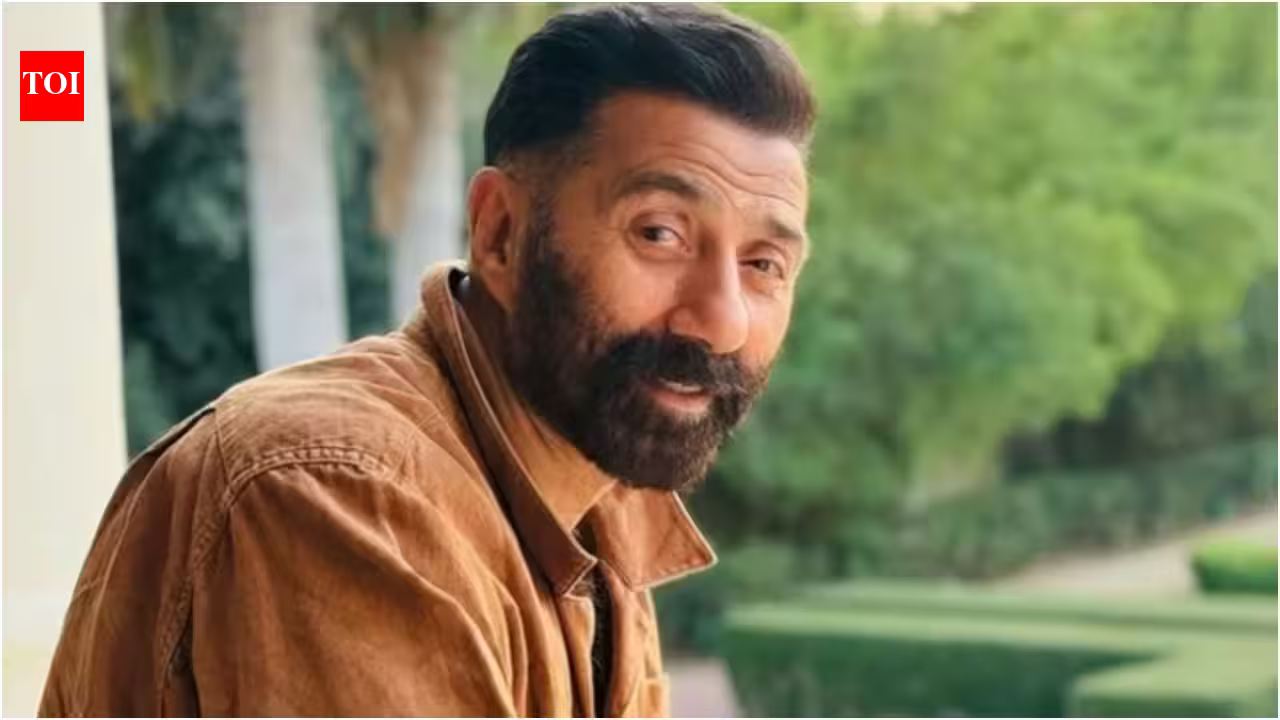
In other news, Sonu Nigam is currently involved in Rajkumar Santoshi’s upcoming film, ‘Batwara 1947’. Produced by Aamir Khan Productions, the movie boasts an ensemble cast including Sunny Deol, Preity Zinta, Shabana Azmi, Karan Deol, Ali Fazal, and Abhimanyu Singh. Nigam has lent his voice to the track ‘Tabassum’ from the film, a composition by AR Rahman with lyrics penned by Javed Akhtar. This latest venture is eagerly anticipated by fans of his musical contributions to Bollywood.