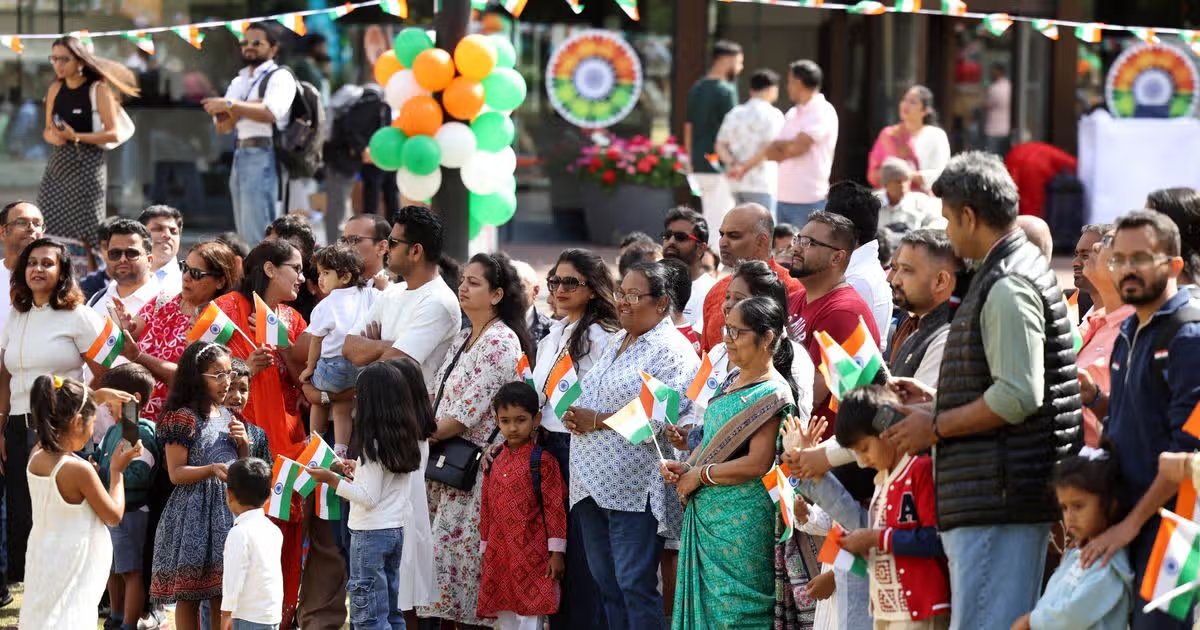







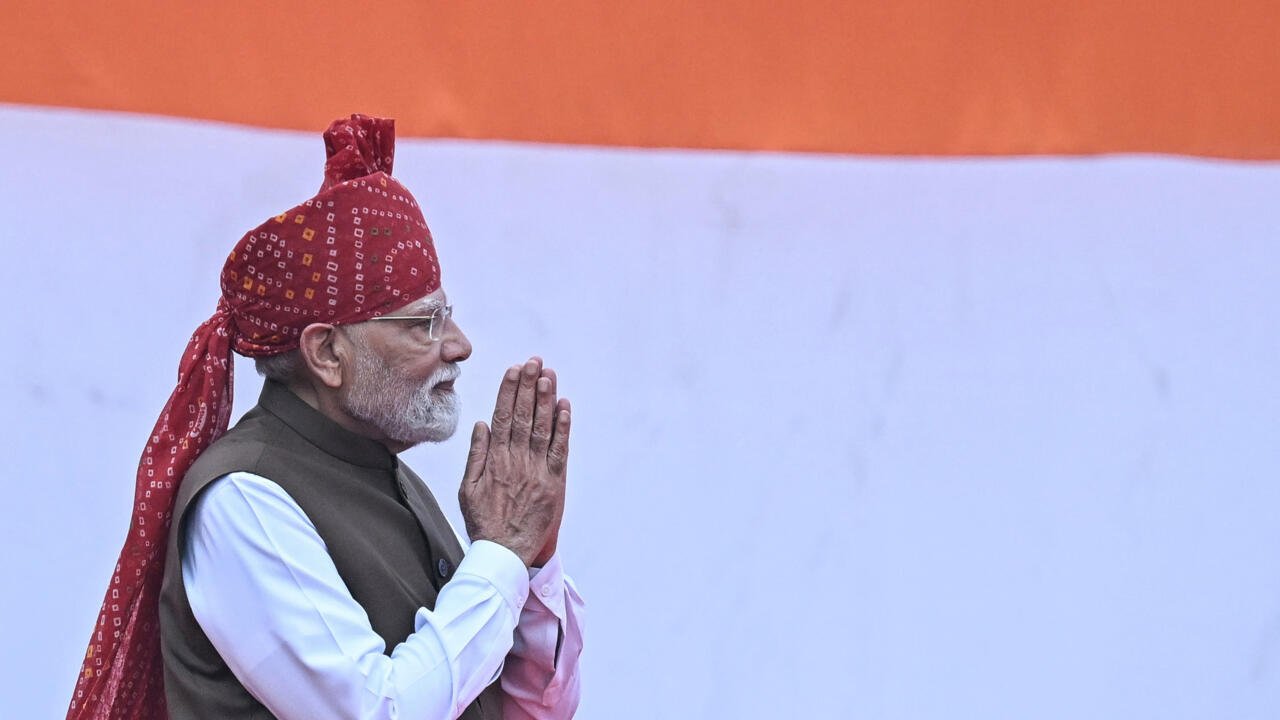
Addressing the nation from the historic Red Fort on India’s Independence Day, Prime Minister Narendra Modi unveiled significant initiatives aimed at alleviating the financial strain on families and enhancing educational and employment prospects for young Indians. These announcements come in the wake of widespread public discontent surrounding examination irregularities and the formidable challenges faced by the country’s youth in securing stable futures.
At the core of these reforms is a commitment to provide free online coaching for various competitive examinations. Modi emphasized that this program leverages India’s robust digital public infrastructure and the expertise of its highly talented teachers and educators. This move directly confronts the immense financial burden placed on countless families by the nation’s fiercely competitive education system, particularly the burgeoning coaching industry. For years, students have dedicated considerable time and resources, often at great financial cost to their families, to prepare for these crucial exams. The Prime Minister highlighted that these free online classes would specifically ease this financial burden on “poor and middle-class families,” allowing students to remain with their families and avoid additional financial pressures.
Beyond competitive exam preparation, Modi also revealed an ambitious plan to equip millions of young people with crucial skills for the future. He announced that within the next year, an estimated 10 million youth will receive training in artificial intelligence tools. This forward-looking initiative underscores the government’s recognition of the growing importance of AI in the global economy and its commitment to preparing the next generation for the evolving job market.
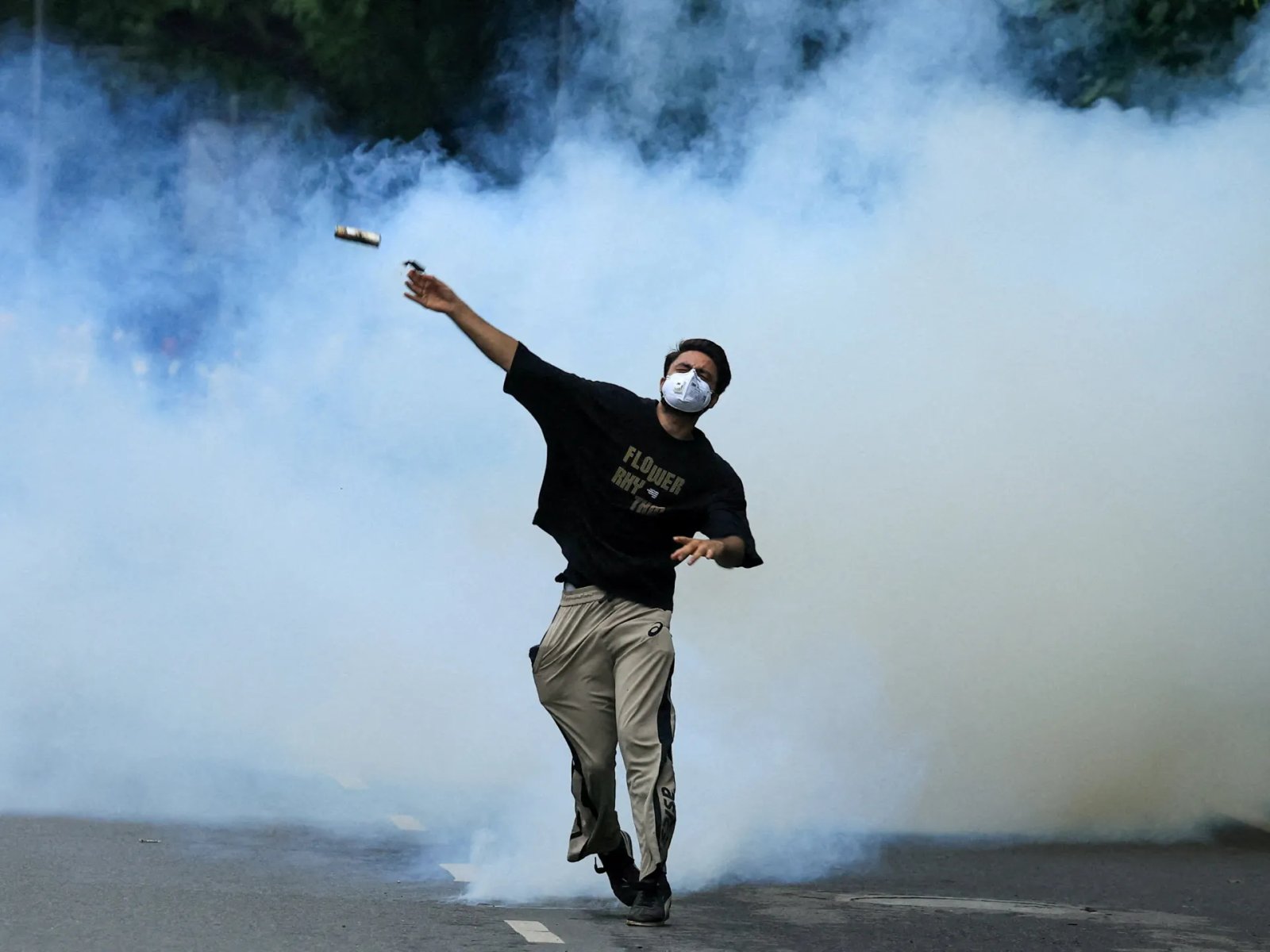
These initiatives are particularly pertinent given the recent nationwide protests sparked by the leak of a significant medical entrance examination paper and other recruitment scandals. These incidents, which even led to the resignation of Education Minister Dharmendra Pradhan, laid bare the profound frustration among young Indians regarding their access to jobs and educational opportunities. They also underscored the intense pressure on students in India, the world’s most populous nation, where admission to government-run colleges remains a highly coveted pathway to economic security. The fierce competition for these limited spots has historically fueled a sprawling and expensive coaching industry. In response to these protests, authorities have also increased penalties for leaking exam papers, reflecting a broader effort to restore integrity to the examination process. Observers suggest that these protests represented one of the most significant challenges to the Modi government since it assumed power in 2014. The new measures, therefore, appear to be a direct response to these concerns, aiming to address the systemic issues and provide tangible support to India’s youth, thereby strengthening social mobility and easing the financial pressures on households across the nation. For more updates on this and other developments, visit our India News section.