






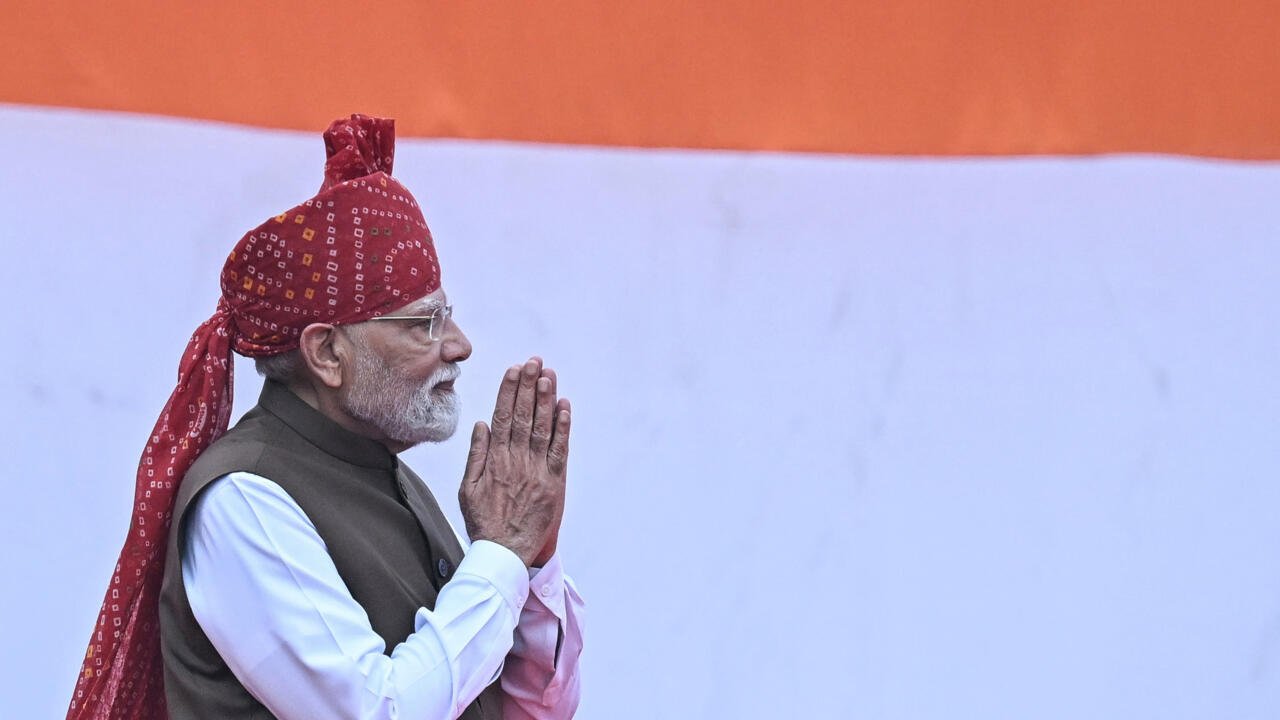
In a significant address from the historic ramparts of New Delhi’s Red Fort, marking India’s independence from British rule, Prime Minister Narendra Modi unveiled a comprehensive initiative aimed at revolutionizing educational opportunities and easing the financial strain on countless families across the nation. This bold announcement, made on August 15, 1947, directly responds to the intense competitive landscape of India’s education system and recent widespread unrest.
The core of Modi’s plan involves providing free online coaching for various competitive examinations. The Prime Minister emphasized that India possesses the necessary digital public infrastructure and a wealth of talented educators to successfully implement this large-scale endeavor. This move is particularly pertinent in the wake of nationwide protests that erupted following the leak of a critical medical entrance examination paper and numerous other recruitment scandals. These incidents exposed deep-seated frustration among young Indians regarding limited access to jobs and educational pathways, culminating in the resignation of Education Minister Dharmendra Pradhan. The immense pressure on students in India, the world’s most populous country, is palpable, with admission to government-run colleges often seen as a crucial stepping stone to economic security.
The prevailing cut-throat competition has fueled a burgeoning coaching industry, where students invest years and significant financial resources, often at great cost to their families, in preparation for these examinations. Modi asserted that the free online classes would substantially alleviate this burden on “poor and middle-class families.” He underscored the benefit of students being able to remain with their families, receiving their support, and avoiding the additional financial strain traditionally associated with competitive exam preparation.
Beyond academic coaching, the Prime Minister also announced ambitious plans to equip millions of young people with crucial future-oriented skills. He declared that in the coming year, ten million youth will receive training in AI skills. This proactive approach to technological advancement signals India’s commitment to preparing its workforce for the evolving global economy. In response to the recent protests and to restore confidence in the examination system, authorities have also increased penalties for leaking exam papers, reflecting a concerted effort to address the grievances of the nation’s youth. Critics have noted that these protests represented one of the most significant challenges to Modi’s government since it assumed power in 2014.
During his more than hour-long address, Modi also reiterated his government’s overarching vision for India to achieve developed nation status within the next two decades. He outlined a comprehensive seven-point growth and reform framework. This multifaceted initiative will prioritize key sectors such as manufacturing, agriculture, technology, and defense, while also leveraging India’s “soft power” through the promotion of yoga, tourism, and traditional handicrafts. Emphasizing India’s role in the global economy, Modi stated that the nation must “establish itself as a trusted global supply chain partner for the world.” Looking ahead, he announced plans for eight additional semiconductor chip plants and five new nuclear reactors, aiming to generate 100 gigawatts of power by 2047. This push for alternative energy sources is further evidenced by last year’s government decision to allow private firms to construct and operate atomic power projects. Modi concluded by stressing the pivotal role of young people in this transformative journey, declaring that they are both the driving force and the ultimate beneficiaries of a developed India. This comprehensive strategy underlines the government’s commitment to empowering its youth and securing India’s future prominence on the global stage, with a particular focus on India news and developments.