







Engineering the iPhone Duo: A New Era of Foldable Hardware
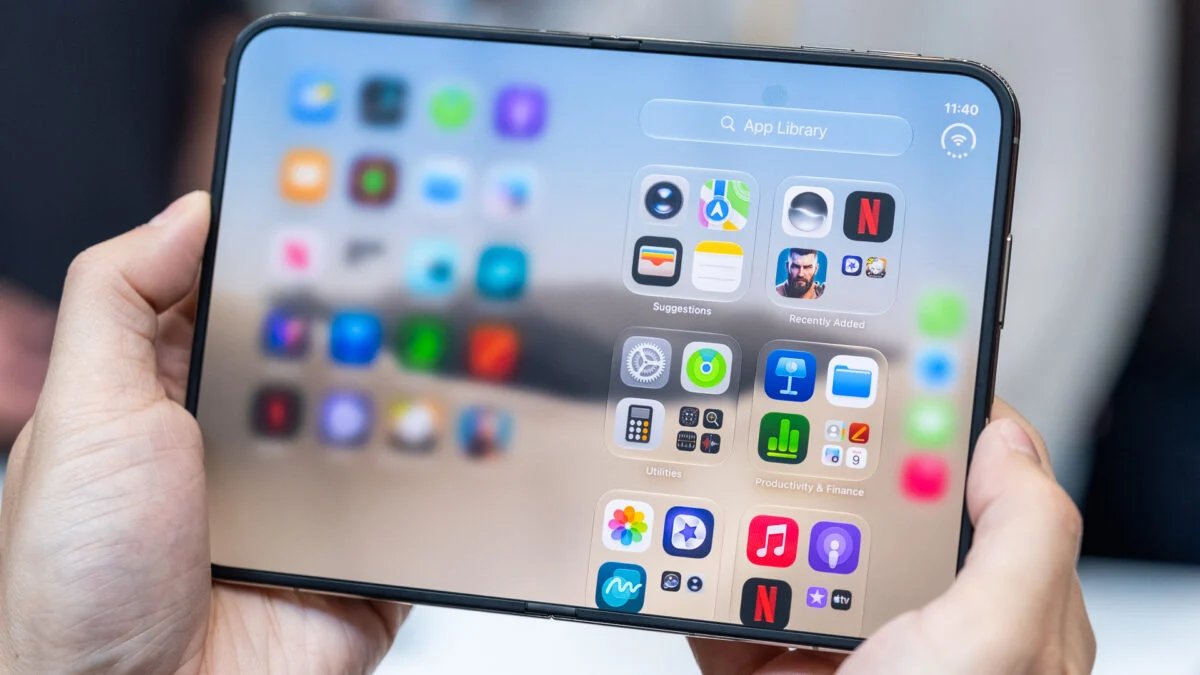
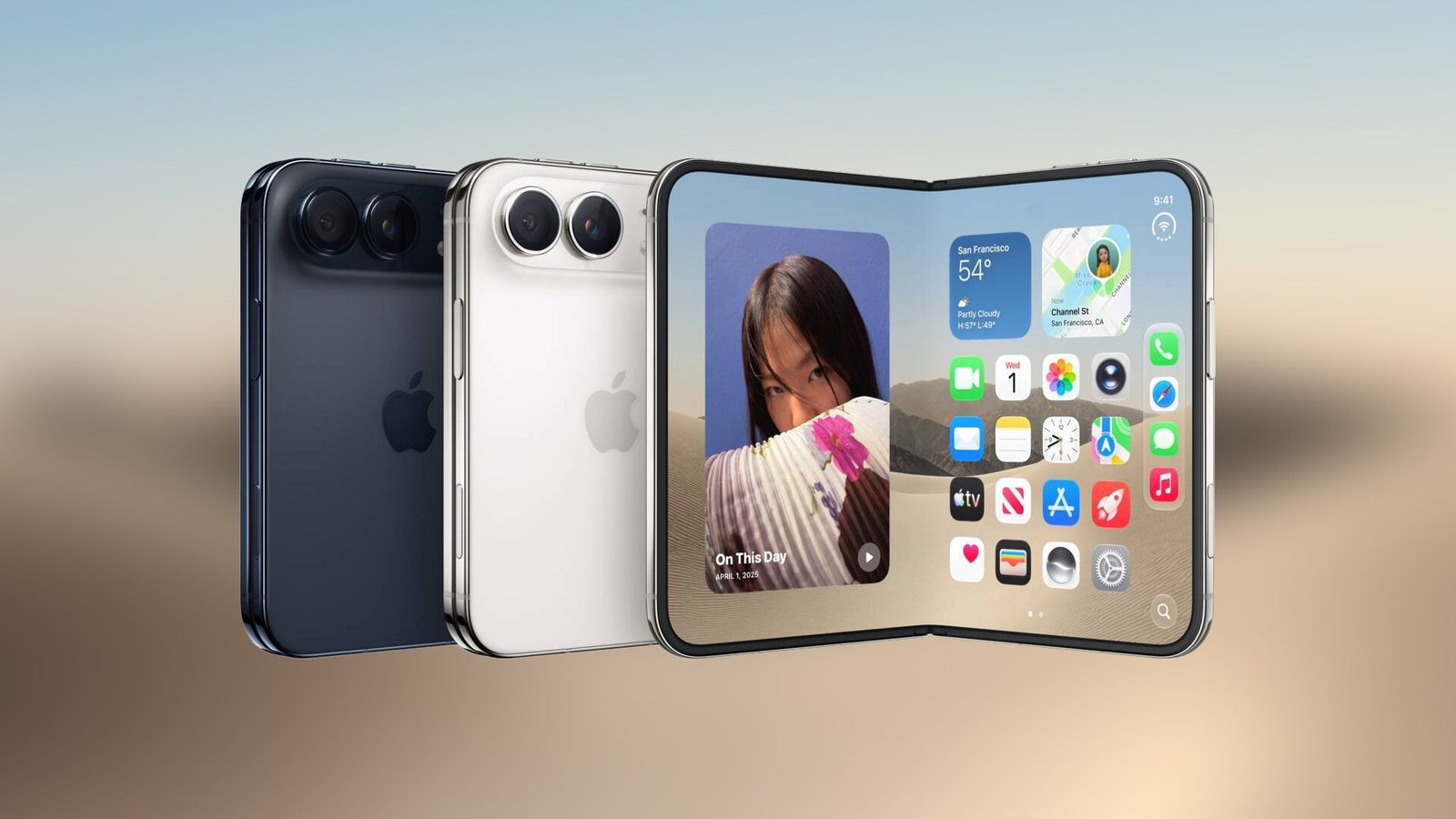
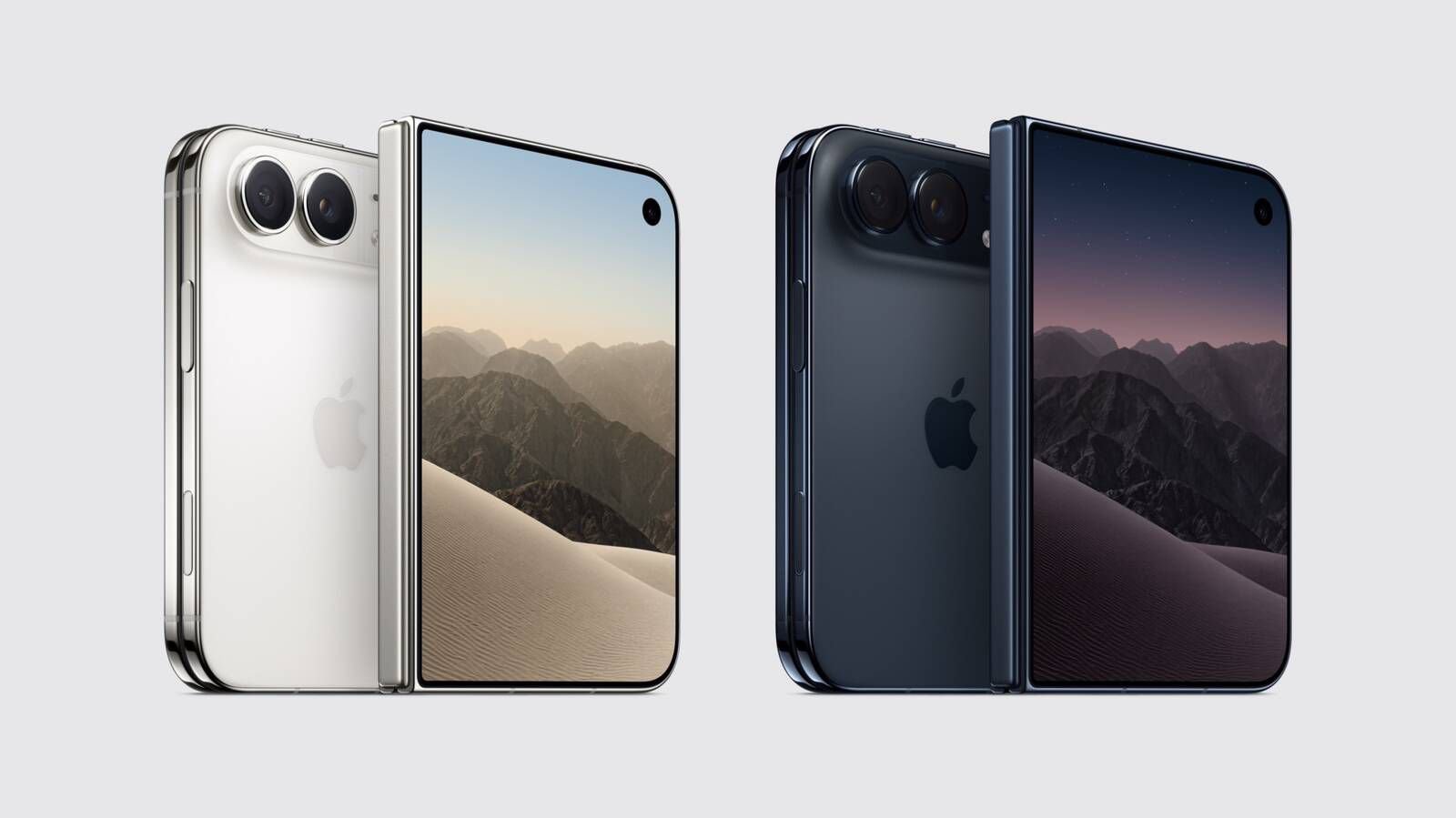
Apple has officially entered the foldable smartphone market with the debut of the iPhone Duo, a device that fundamentally alters the mobile hardware landscape. By integrating two distinct screens that unite into a singular, continuous display, the device represents a significant departure from the traditional rigid chassis of previous iPhone iterations. The internal mechanics are designed for structural integrity and a fluid transition between the folded and unfolded states, allowing for a seamless user experience. Apple has emphasized that the unfolded device is the thinnest iPhone ever produced, a technical feat achieved through advanced material engineering and a redesigned internal logic board.
The device operates on a dual-screen architecture, maintaining a consistent aspect ratio across both halves to ensure that applications scale without distortion. This hardware design choice is intended to support multitasking workflows, allowing users to engage with multiple applications simultaneously or use the extended screen space for productivity and high-fidelity media consumption. The inclusion of these displays necessitates a complex hinge system that must withstand repeated use while maintaining the flatness of the internal screen surface.
Camera Array and Optical Capabilities
The photography system on the iPhone Duo features a four-camera configuration, optimized for the unique constraints of a folding form factor. The primary rear hardware consists of a 48-megapixel Fusion Main camera and a 48-megapixel Ultra Wide camera. These sensors are designed to leverage Apple’s computational photography pipeline, which processes image data to maximize dynamic range and color accuracy.
A notable hardware specification is the absence of a dedicated telephoto lens. Instead, the iPhone Duo utilizes the high-resolution 48-megapixel Fusion Main sensor to perform an “optical-quality 2× telephoto” crop. This functionality effectively provides a mid-range focal length for portraits and architectural details. While this represents a hardware compromise compared to the specialized long-range zoom capabilities of the iPhone 18 Pro series, which supports up to 8× optical zoom, the Duo is clearly positioned for a different demographic. It is targeted at creators who prioritize the utility of a foldable display over the extreme focal length versatility required by professional telephoto enthusiasts.
To round out the imaging suite, the device includes two front-facing camera systems. A 12-megapixel Center Stage camera is integrated into the outer display for standard selfies and video conferencing, while a secondary camera is positioned under the inner display. This hidden lens allows for an unobstructed view when the device is fully unfolded, providing a clean aesthetic for large-screen video interactions.
Real-World Performance: Photographic Benchmarks
To demonstrate the capability of the iPhone Duo, Apple recently showcased a curated gallery of images captured by photographers Jake Michaels and Jason Nocito. These professional-grade photos serve as a technical validation that the sensor hardware, despite its lack of a dedicated telephoto lens, is more than capable of producing high-fidelity imagery.
The images highlight the camera’s ability to handle complex lighting scenarios and fine textures, proving that the software-side processing compensates for the hardware configuration. By commissioning these artists to document the phone’s capabilities, Apple is establishing a baseline for the device’s image quality. For the end user, this implies that the device is not merely a novelty driven by its form factor, but a tool capable of delivering high-resolution results for mobile photography, social media integration, and content creation.
Strategic Positioning and Market Impact
The launch of the iPhone Duo arrives as the industry grapples with the transition from traditional bar-style smartphones to flexible display hardware. By offering the Duo alongside the high-performance iPhone 18 Pro, Apple is clearly segmenting its audience. The Pro series remains the choice for power users, videographers, and those requiring extensive zoom capabilities and top-tier computational power. Conversely, the iPhone Duo is positioned as a productivity-focused device intended for users who require more screen real estate and the portability of a foldable.
This release signals a long-term shift in the iPhone roadmap. As screen technology continues to evolve, the integration of these features into the core Apple ecosystem suggests that we can expect greater uniformity between future hardware iterations. The iPhone Duo acts as a trial for new interface paradigms, such as split-screen interaction, which may eventually permeate other devices in the lineup.
Availability and Future Outlook
Prospective users looking to adopt this new hardware can begin the pre-order process on Friday, October 16, at 5 a.m. Pacific Time. The launch is part of a broader late-year rollout that includes the iPhone 18 Pro models, the Apple Watch Series 12, and the Ultra 4.
The decision to focus on a thinner profile for the Duo suggests that Apple has solved significant thermal and space constraints within the chassis. As the device reaches the public, the secondary testing phase will begin, where users will determine how the hinge, the under-display camera, and the foldable screen hold up under daily stress. If the reception to the photographic output and the hardware durability proves positive, it is likely that the iPhone Duo will serve as the foundation for future generations of foldable Apple mobile devices, potentially eventually replacing the standard iPhone dimensions as the primary design language for the company.
Disclaimer: This content is auto-generated for informational purposes only.
Source: Read Original News