








Understanding the Nano-Texture Layer on the iPhone Duo
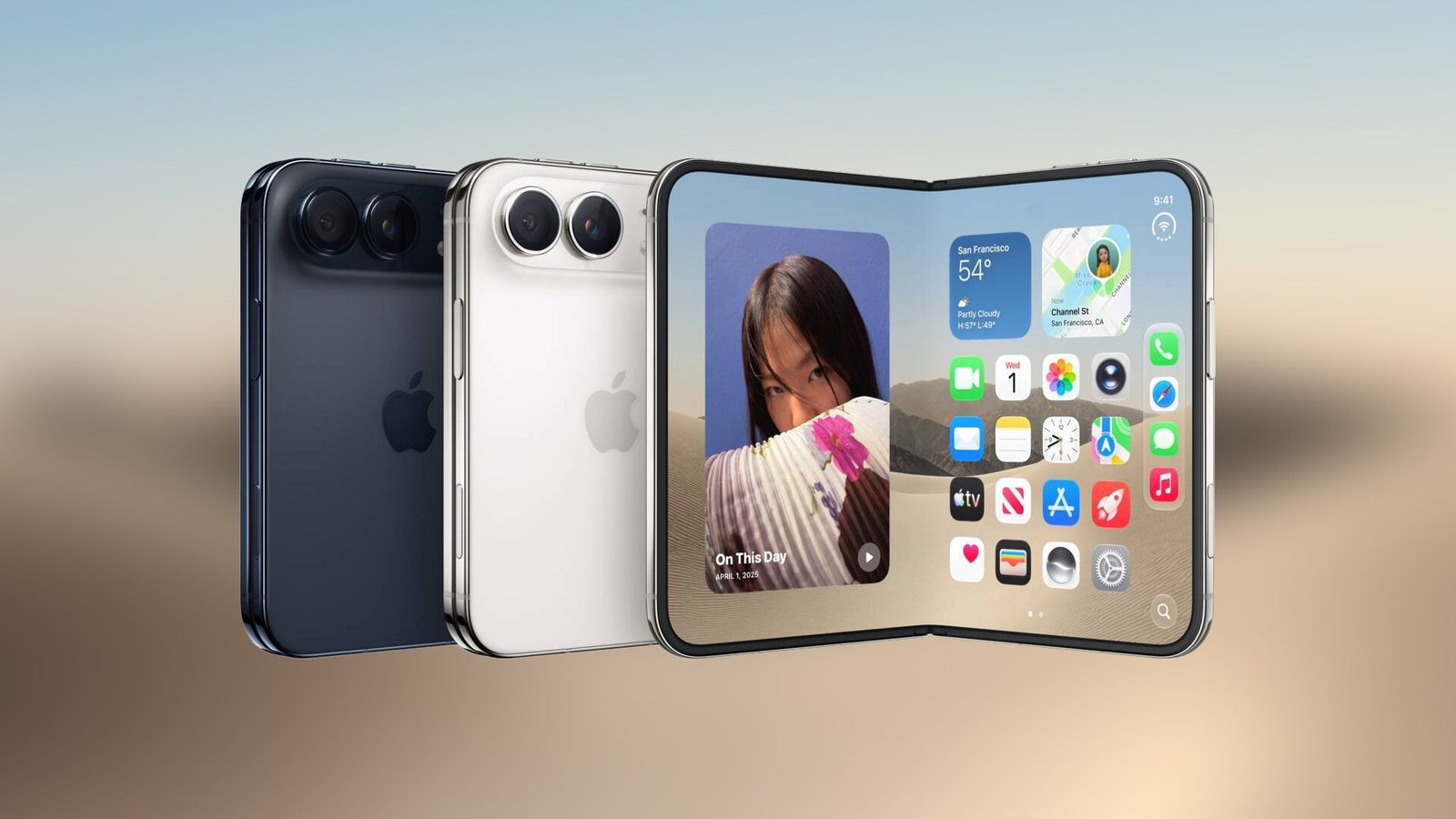
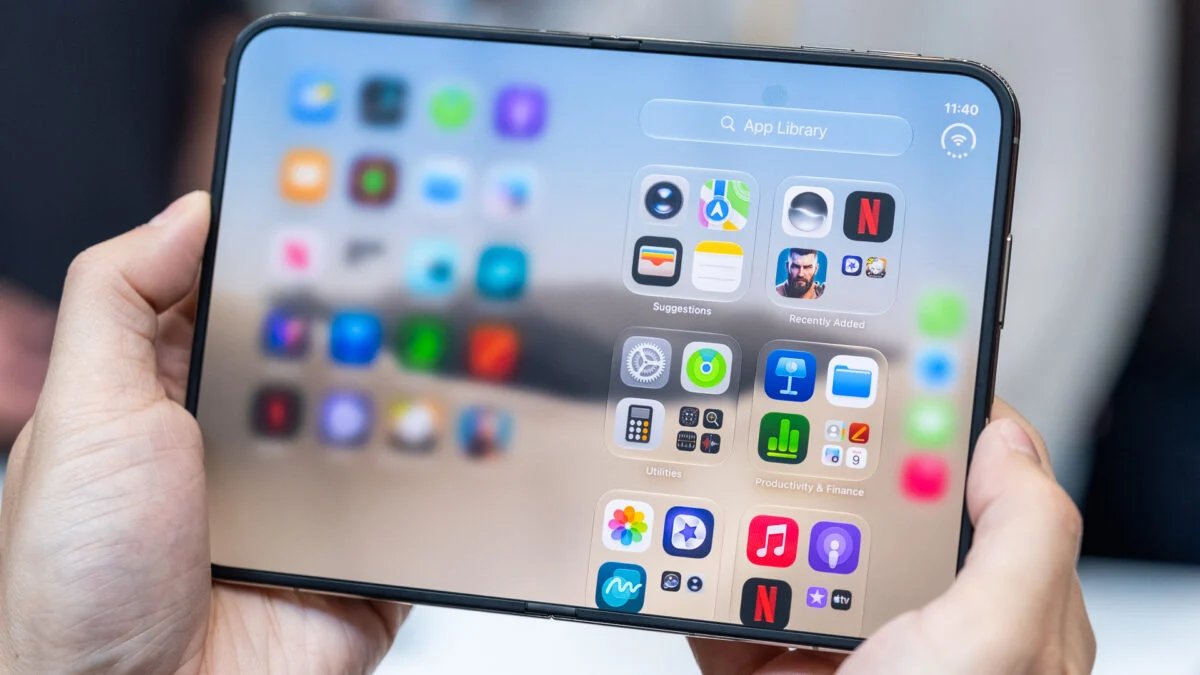
The recently released iPhone Duo has captured the attention of the mobile industry, marking a significant milestone for Apple in the foldable hardware space. One of the defining features of this device is the nano-texture layer applied to its expansive inner folding display. This specialized coating is engineered to diffuse ambient light, effectively minimizing glare and rendering the inevitable crease of the foldable panel far less visible during daily operation.
From a technical standpoint, the nano-texture is not merely a screen protector in the traditional sense. It is an integrated component of the display assembly designed to maintain the structural integrity of the panel while providing a matte finish that enhances readability in high-glare environments. By scattering reflected light rather than bouncing it directly back at the user, the layer ensures that the display remains functional and legible even under harsh office lighting or direct sunlight. However, this functional trade-off does impact color saturation and black depth, leading some enthusiasts to debate the merits of the coating versus the clarity of a standard glossy panel.
The Risks of Unauthorized Removal
Despite the specialized nature of this layer, confusion has surfaced regarding its replaceability. Recent statements from Apple hardware executives confirmed that the nano-texture cover is technically a separate, replaceable component rather than a permanent glass lamination. While this is a breakthrough for device longevity and serviceability, it has been widely misinterpreted by some as an invitation for end-users to modify their devices.
Attempting to remove the nano-texture layer is a high-risk procedure. The folding mechanism of the iPhone Duo requires precise calibration between the display, the digitizer, and the protective top layer. Using DIY tools—such as heat guns or prying implements—exposes the underlying organic light-emitting diode (OLED) pixels to extreme thermal stress and mechanical pressure. Even a microscopic tear in the display matrix during the removal process can lead to immediate failure or the gradual development of dead pixels. Furthermore, the removal of this layer can compromise the protective barrier that prevents dust and debris from migrating into the folding hinge, potentially causing catastrophic hardware failure after only a few hundred cycles of use.
Impact on Feature Compatibility
Beyond the immediate risk of damaging the display panel, removing the nano-texture layer introduces significant compatibility issues for advanced hardware features. The iPhone Duo is designed to support the upcoming Apple Pencil integration, a feature that relies on specific friction coefficients provided by the nano-texture finish. The coating acts as a buffer between the pencil tip and the delicate display, ensuring that pressure and stroke detection remain accurate without scratching the substrate.
If a user strips away this layer, the underlying display surface is often too soft or insufficiently treated to withstand the pressure of a stylus. The tip of an Apple Pencil, even with its precision engineering, can create permanent indentation marks on a naked foldable screen. Additionally, the under-display FaceTime camera and light sensors are calibrated to account for the refractive index of the official nano-texture coating. Altering the optical properties of the surface can lead to degraded image quality during video calls and inconsistent brightness adjustments by the ambient light sensor.
Cost-Effective Repair Protocols
For owners concerned about wear and tear, it is important to distinguish between user-led modifications and authorized service procedures. Apple has structured its AppleCare+ program to address the reality of foldable display maintenance. Current data confirms that the deductible for replacing the nano-texture cover layer is significantly lower than that of a full internal display assembly replacement. This tier-based pricing structure is specifically designed to provide users with a secure path to restoring their screen surface without requiring a total device swap.
By utilizing official service channels, users ensure that the application of a new nano-texture layer is handled in a clean-room environment. Proper application requires industrial-grade adhesive processes that align perfectly with the folding axis of the device. Professional technicians also perform calibrated sensor tests post-installation to verify that the camera performance and touch sensitivity remain within factory specifications. Choosing official repair routes is the only way to maintain the manufacturer warranty and ensure that the device continues to function as intended throughout its lifespan.
The Industry Standard for Foldable Displays
The controversy surrounding the iPhone Duo’s display highlights a broader industry lesson regarding foldable technology. History has shown that early adopters often attempt to treat foldable films like traditional tempered glass screen protectors, a practice that frequently resulted in destroyed devices during the debut of first-generation folding handsets from competitors. The fragility of the foldable screen assembly is a limitation of current material science, and these specialized coatings are essential shields that provide the durability required for daily use.
For consumers who prioritize the aesthetics of a glossy screen over the benefits of anti-glare, the market provides alternatives. Other manufacturers produce foldable devices that utilize different display technologies and coating approaches designed specifically for high-gloss, high-contrast output. Prospective buyers should consider their preference for display finishes before purchase, as the iPhone Duo is optimized for a balance of ergonomics, anti-glare performance, and long-term durability. Ultimately, the nano-texture layer is an essential component of the iPhone Duo’s architecture, and its preservation is vital for the continued performance of the device. Users are strongly encouraged to leave the screen composition in its factory state to ensure the longevity of their investment.
Disclaimer: This content is auto-generated for informational purposes only.
Source: Read Original News