







The automotive sector is currently navigating a pivotal transition marked by massive capital investments, shifting regional supply chain strategies, and an increasingly critical debate over the role of artificial intelligence in industrial operations. As major players like Honda prepare for a hybrid-focused future, the industry at large is facing a reality check regarding data readiness and the limitations of rapid automation.
## Honda Bets Big on Hybrid Expansion in Ohio
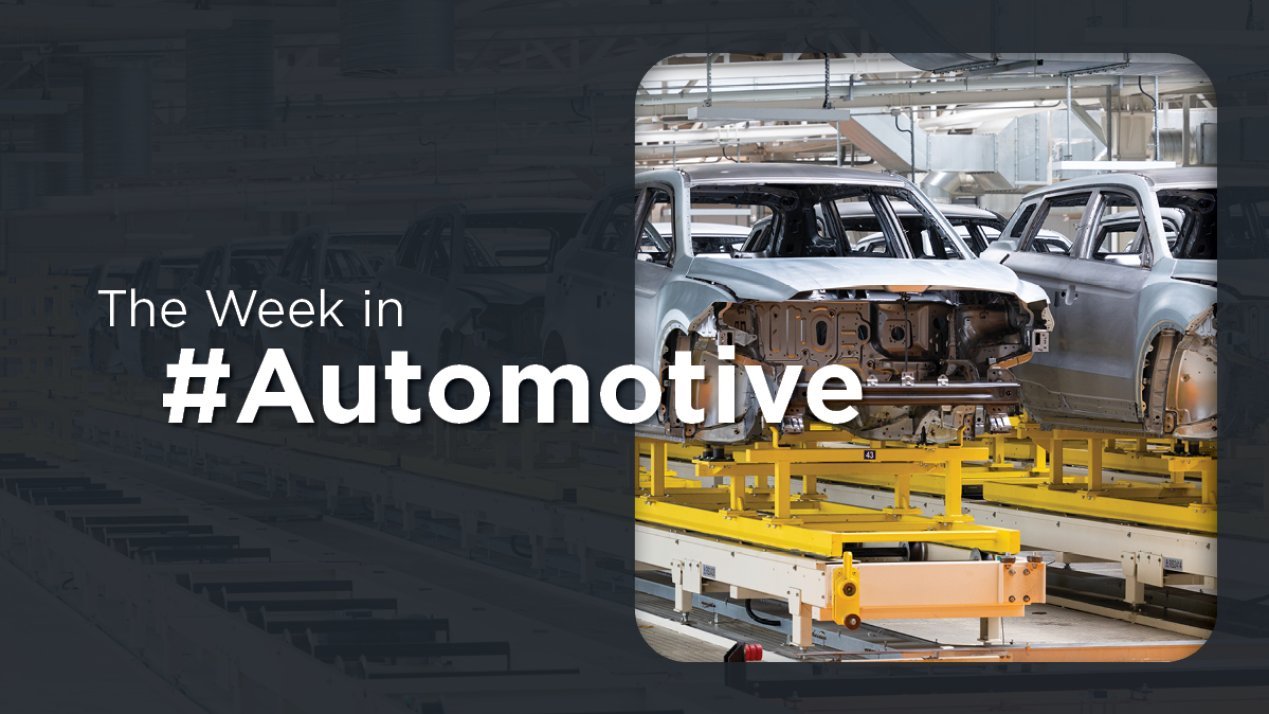
In a move that signals a sustained commitment to hybrid technology, Honda is finalizing plans for a new assembly plant in Ohio. The project, valued at approximately US$2.5 billion, marks a significant strategic pivot for the Japanese automaker within its North American manufacturing footprint. By scaling up its hybrid capacity, Honda is positioning itself to better meet fluctuating consumer demand while navigating the ongoing transition toward electrified transport. This investment underscores the continued importance of the U.S. industrial heartland, as major manufacturers balance traditional assembly strengths with the need for modern, sustainable powertrain technologies.
## Mexico’s Market Momentum and the Regionalization Mandate
South of the border, Mexico’s automotive market is showing historic vitality. Through July 2026, vehicle financing in the country reached a nine-year high, fueled by robust consumer demand and favorable, long-term financing structures facilitated by captive automotive lenders.
However, industry experts are urging stakeholders to look beyond the short-term benefits of “nearshoring.” While attracting individual factories is a positive step, the real challenge for Mexico is evolving toward full-scale regionalization. Analysts suggest that current efforts must pivot from mere investment attraction to the development of deeply integrated, competitive regional supply chains. This shift is essential for creating a resilient industrial base capable of sustaining long-term growth amidst global trade pressures.
## The AI Paradox: Speeding Up Operational Faults
While many automotive firms are racing to integrate AI into their production and management workflows, a sobering trend has emerged: manufacturers possess the tools, but often lack the necessary digital habits to use them effectively.
Recent reports highlight a significant “data gap” in the sector. Nearly one-quarter of manufacturing organizations report no access to essential production data, and nearly half struggle to communicate clear performance objectives to their teams. This lack of transparency creates a dangerous foundation for advanced tech adoption.
Industry leaders are warning that applying AI to flawed or misunderstood processes is a recipe for disaster. The fundamental issue is that digitizing an inefficient or broken process does not equate to innovation; rather, it simply automates the underlying mistakes. In this environment, AI serves as an accelerant. Without human-led oversight and a rigorous questioning of existing workflows, companies risk scaling their operational failures at a rate that traditional manual processes would never have permitted.
For the automotive industry to truly benefit from the digital age, the focus must shift from the novelty of AI implementation to the fundamentals of data governance. Technology is only as effective as the processes it supports, and for manufacturers, the path to progress requires building strong organizational habits before relying on algorithmic speed.
As the industry moves forward, the synergy between human expertise and automated intelligence will define the winners of the next decade. Success will depend not just on the billions invested in new plants like Honda’s, but on the ability of the entire supply chain to translate complex data into clear, actionable goals that empower workers rather than just accelerating their existing operational bottlenecks.
Disclaimer: This content is auto-generated for informational purposes only.
Source: Read Original News