






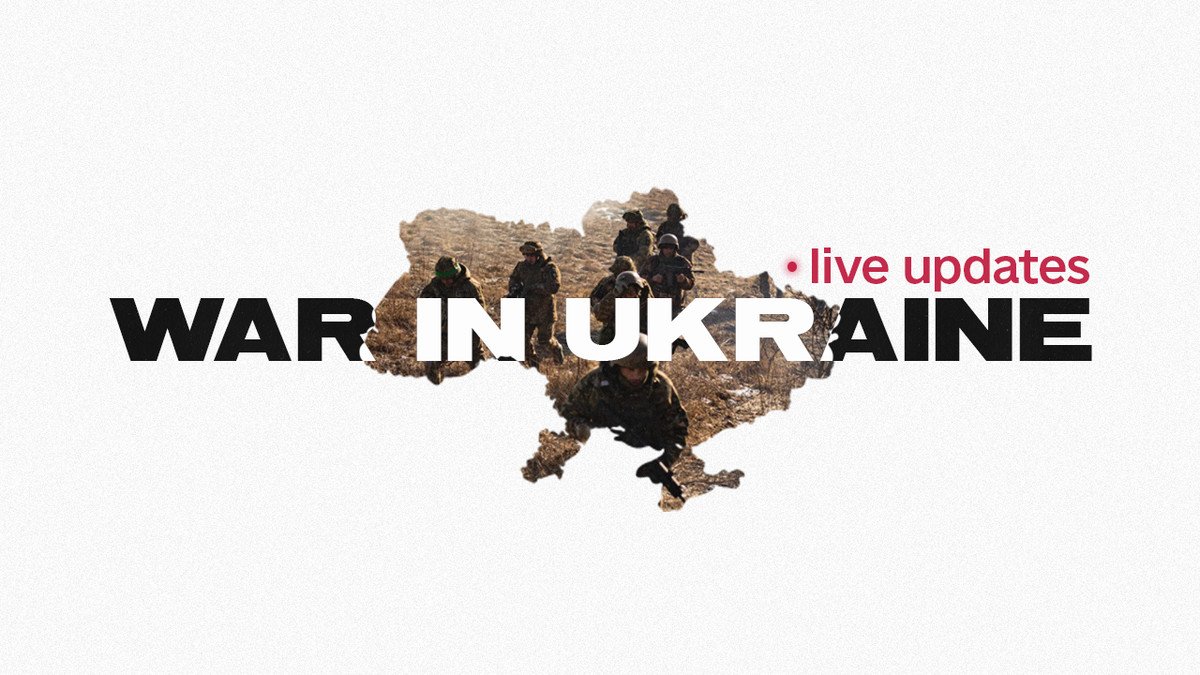
KYIV — The landscape of the ongoing war in Ukraine continues to shift with volatile intensity as the frontline remains a crucible of relentless combat and geopolitical maneuvering. As of January 26, the Ukrainian Armed Forces are navigating a critical juncture, balancing defensive resilience in the east with ongoing efforts to secure long-term Western military support.
In the eastern theater, the situation around Avdiivka and Kupiansk remains dire. Russian forces have doubled down on their attempts to encircle key logistical hubs, utilizing a combination of heavy artillery barrages and infantry-heavy “meat-grinder” assaults. Reports from the General Staff of the Armed Forces of Ukraine confirm that despite the severe intensity of the shelling, Ukrainian defensive lines are holding. Soldiers on the ground describe the current phase as a grinding war of attrition, where the primary objective is to degrade enemy combat potential while preserving the core of Ukraine’s professional fighting force.
Beyond the immediate tactical clashes, a shadow has been cast over the nation’s infrastructure. Recent waves of missile and drone attacks have targeted energy grids and civilian areas, prompting widespread alerts across the country. Kyiv officials remain vigilant, noting that Russia’s strategy of “energy terror” persists as a core component of its efforts to erode the morale of the Ukrainian populace during the harshest months of winter.
On the diplomatic front, the focus has pivoted sharply toward the halls of power in Washington and Brussels. The delay in finalizing substantial aid packages—specifically regarding the $61 billion proposed by the Biden administration—has triggered heightened concern among Ukrainian officials. Kyiv has signaled that the current shortfall in ammunition, particularly artillery shells and air defense interceptors, is now directly impacting battlefield decisions. President Volodymyr Zelensky and his top military brass are engaged in high-stakes negotiations, emphasizing that any decrease in military assistance would provide an immediate tactical advantage to Moscow.
Conversely, the international community is beginning to firm up support in other critical areas. Following recent discussions, several European nations have reaffirmed their commitment to long-term security guarantees, focusing on the localization of defense production within Ukraine. By encouraging joint ventures and technology transfers, Kyiv hopes to bridge the gap in ammunition supply and reduce its total dependence on sporadic foreign shipments.
As the conflict approaches the two-year mark of the full-scale invasion, the narrative has shifted from rapid maneuvers to a test of endurance. Ukraine is betting on its ability to modernize its military industry while simultaneously holding the frontline against a numerically superior foe. For the millions of citizens in Ukraine, the daily routine of sirens and uncertainty remains a harsh reality, yet the national resolve, as measured by recent public sentiment, shows no signs of faltering. The days ahead will likely be defined by the arrival of new aid, the endurance of the power grid, and the tactical outcomes of the winter battles in the Donbas.
Disclaimer: This content is auto-generated for informational purposes only.
Source: Read Original News