





AICHI-NAGOYA — The atmosphere at the 2026 Asian Games is reaching a fever pitch as the competition enters a pivotal Day 13, with India poised for a historic surge across multiple high-stakes disciplines. On this crisp Friday morning, October 2, the delegation is looking to capitalize on a schedule brimming with gold medal bouts, tactical semifinals, and a definitive clash that could alter the landscape of Indian sports for the next four years.
As the host cities of Aichi and Nagoya witness the closing stages of these games, the Indian contingent finds itself at a crossroads of legacy and ambition. From the precision of the archery range to the high-intensity atmosphere of the hockey pitch, the day represents a quintessential moment for athletes aiming to cement their status on the continental stage.
Hockey Glory and the Road to Los Angeles
The highlight of the day, without question, is the women’s hockey gold medal match against arch-rivals China. This is more than just a battle for regional supremacy; it is a high-stakes encounter where the stakes transcend the podium. For the Indian squad, victory ensures an automatic ticket to the 2028 Los Angeles Olympics, providing the team with the security and planning horizon required to transition into the next global cycle.
Having displayed immense defensive grit and offensive fluidity throughout the tournament, the Indian women face a formidable Chinese side. The tactical duel between the two coaching staffs will likely hinge on midfield control and the ability to convert penalty corners under pressure. The expectation among team officials is clear: the energy must be relentless. With Olympic qualification serving as the ultimate carrot, the players are bracing for a match that promises to be a physical and emotional grind until the final whistle.
Archery Precision on the Semifinal Stage
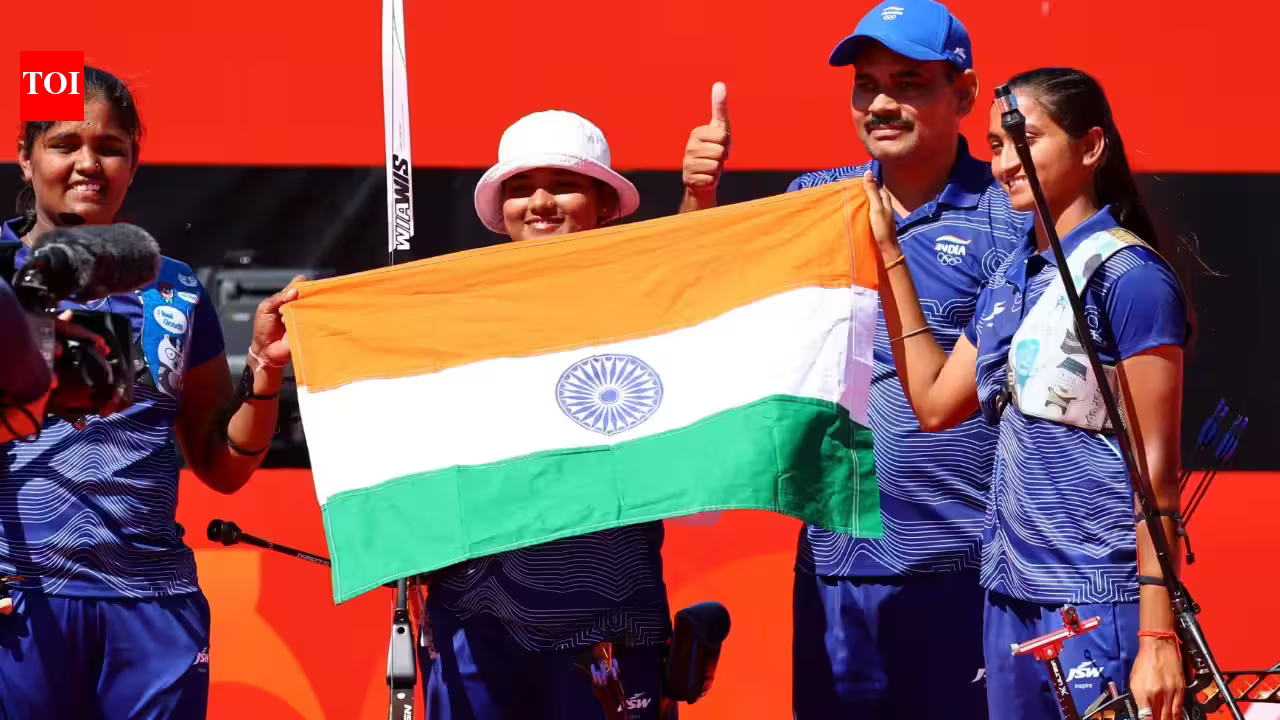
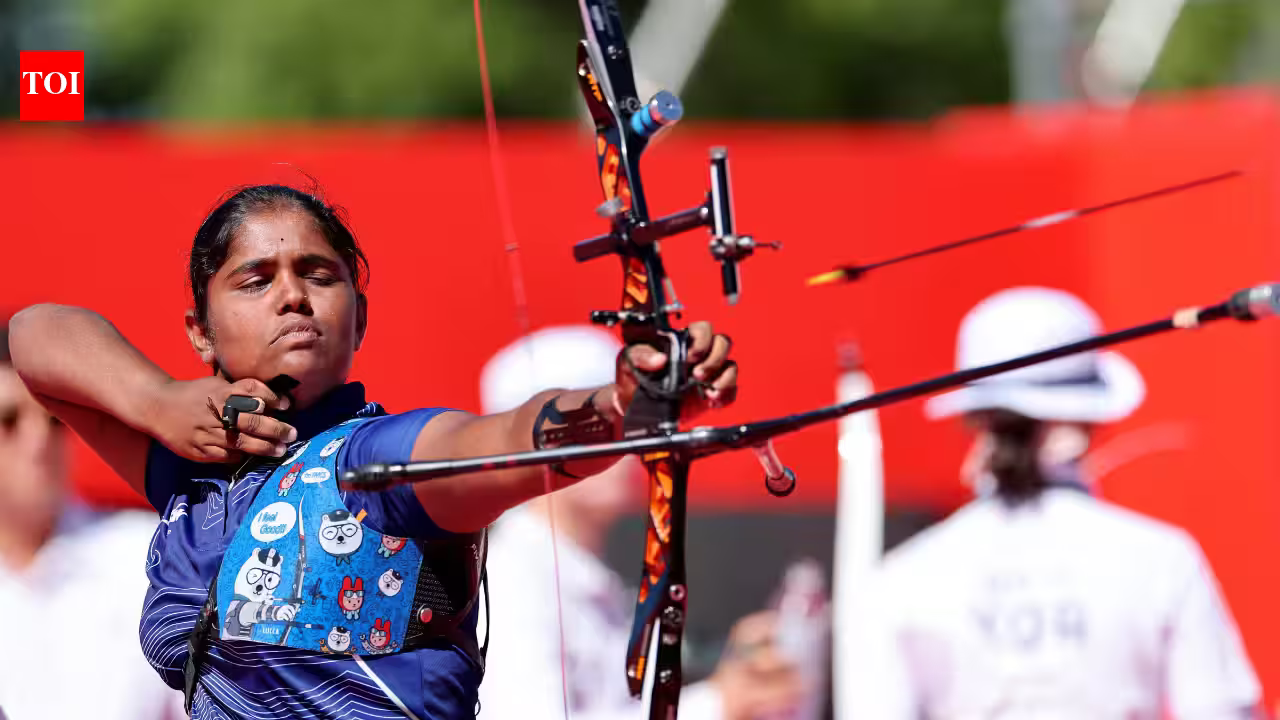
While the hockey field provides the adrenaline, the archery range demands ice-cold precision. The recurve archers have been a pillar of consistency for India throughout these games, and today they face the hurdle of the team semifinals. All eyes are fixed on Dhiraj Bommadevara, whose poise under pressure has made him a standout performer in Aichi-Nagoya.
Bommadevara’s dual involvement in both the men’s team and mixed team events creates a heavy workload, but his ability to switch gears between formats has been a hallmark of his season. The coaching staff is banking on his current form to anchor the team. Should the archers navigate these semifinals successfully, they will advance to medal rounds later in the week, adding to what is already shaping up to be a significant haul for India.
Ring of Fire: Boxing’s Golden Trio
If the track and field events provide the spectacle, the boxing ring provides the grit. India has secured three distinct opportunities for gold as Lovlina Borgohain, Ankush Panghal, and Parveen prepare for their respective final bouts. Each athlete brings a different style to the canvas—Borgohain with her technical brilliance and experience, Panghal with his explosive speed, and Parveen with her tactical discipline.
These final bouts represent the culmination of months of rigorous high-altitude training and tactical refinement. The coaching staff has noted that all three boxers have shown remarkable adaptability in their previous rounds, adjusting their strategies mid-fight to neutralize opponents. As they step into the ring today, the pressure of a gold medal match is significant, but the trio appears locked in, focused on adding to the nation’s rising medal tally.
Wrestling, Canoe Slalom, and the Sepaktakraw Surge
Beyond the marquee events, India’s depth is being tested in niche disciplines that are becoming increasingly vital to the nation’s overall ranking. The wrestling mats will see Indian grapplers looking to execute their takedowns and defensive maneuvers in pursuit of podium finishes. Historically, wrestling has been a bedrock of India’s medal count, and the current crop of talent is eager to uphold that tradition in Japan.
Meanwhile, in the canoe slalom events, the challenge is as much about the environment as it is about the competition. Navigating the gates with surgical accuracy while managing the flow of the water remains the primary objective. Additionally, the Indian sepaktakraw team is continuing its campaign, bringing an element of acrobatic athleticism that continues to thrill fans in the arena. Though these sports may not always dominate the front-page headlines, the dedication shown by these athletes is reflective of a wider trend: India is no longer a one-dimensional sporting nation.
A Nation Watches in Anticipation
As Day 13 progresses, the collective gaze of the nation is fixed on the live feeds emanating from Aichi-Nagoya. For the athletes, the task is simple yet daunting: block out the noise, manage the physical fatigue that inevitably accumulates in the final week of a multi-sport event, and execute the game plans that have been drilled to perfection.
The performances today will not just be measured in metal and silk ribbons, but in the momentum generated for the future of Indian sports. Whether it is the tactical finesse of the archers or the raw power of the boxers, India is making a statement in Japan. As the sun sets on October 2, the hope is that the tricolor will be raised multiple times, signaling to the continent that the Indian sporting revolution is well and truly underway. Stay tuned, as the drama of the 2026 Asian Games continues to unfold.
Disclaimer: This content is auto-generated for informational purposes only.
Source: Read Original News