



Russia Eyes Deeper Economic Integration with India: Putin Highlights Strategic Logistics and Peace Efforts
MOSCOW: Russian President Vladimir Putin has signalled a major shift in the geopolitical and economic partnership between Moscow and New Delhi, asserting that the potential for bilateral cooperation extends far beyond traditional trade. Speaking at a recent event, the Russian leader underscored his administration’s commitment to deepening ties with India, specifically through collaborative efforts on major international shipping and logistics networks.
Strengthening Connectivity via the INSTC
A cornerstone of this renewed focus is the development of the International North-South Transport Corridor (INSTC). Putin confirmed that Russia is actively engaging with its Indian counterparts to facilitate the joint utilization of this strategic route. While the project is a collaborative effort, Putin noted that progress remains tethered to the completion of infrastructure work within Iran.
“We are standing ready to provide the necessary credit resources to accelerate this project,” Putin remarked, adding that he has maintained open lines of communication with Azerbaijani President Ilham Aliyev to ensure smooth transit through the Caucasus region. With Baku’s agreement, the transit arrangements for the corridor remain firmly on track, signaling a unified regional front to streamline trade.
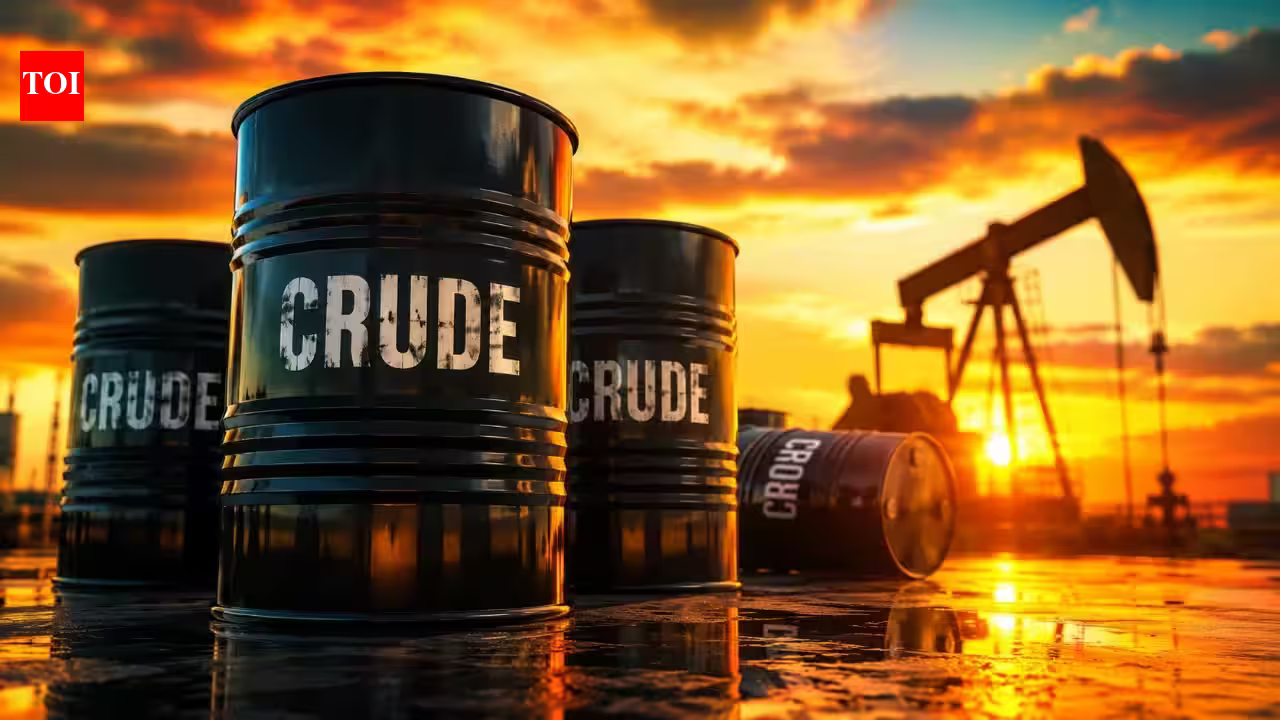
These discussions follow recent remarks by Russian Deputy Prime Minister Marat Khusnullin, who emphasized the necessity of exploring a direct rail link to the Indian Ocean. Such a route, potentially traversing Turkmenistan, Iran, Afghanistan, and Pakistan, is seen as a vital hedge against global shipping risks, particularly those associated with the Bosphorus and the Strait of Hormuz. With the latter acting as a critical bottleneck for roughly a quarter of global oil and LNG trade, Russia views these alternative corridors as essential for long-term economic security and, by extension, a strategic boon for India.
A Diplomatic Role for New Delhi
Beyond the realms of infrastructure and finance, Putin took a moment to acknowledge the diplomatic contributions of Prime Minister Narendra Modi. The Russian President lauded Modi’s persistent efforts to facilitate a peaceful resolution to the ongoing conflict in Ukraine, characterizing the Indian leader as a key global mediator.
“Prime Minister Modi is a leader who, despite our deep personal and professional friendship, consistently raises the necessity of ending the conflict,” Putin stated. He highlighted that India has maintained a neutral yet engaged stance, offering “good ideas” that aim to foster mutually acceptable solutions. By welcoming New Delhi’s input, Moscow has signaled that it values India not just as a vital commercial partner, but as a constructive voice in the international arena capable of mediating complex geopolitical disputes.
The Strategic Backdrop
The push for diverse transit corridors arrives at a time of heightened volatility in global maritime trade. Following recent regional escalations in the Middle East—specifically involving strikes by the US and Israel on Iranian targets and the subsequent retaliatory drone and missile responses—the Strait of Hormuz has become a site of significant instability. With Tehran having implemented a maritime blockade against nations involved in the conflict, global markets are increasingly wary of transit chokepoints.
By integrating India into a more robust and secure logistics network, Russia aims to create a trade architecture that is insulated from Western-led sanctions and regional maritime crises. As these projects move from planning to potential implementation, the economic synergy between the two nations appears set for a transformative chapter, anchored by shared interests in stability, connectivity, and multipolar diplomacy.
Disclaimer: This content is auto-generated for informational purposes only.
Source: Read Original News