





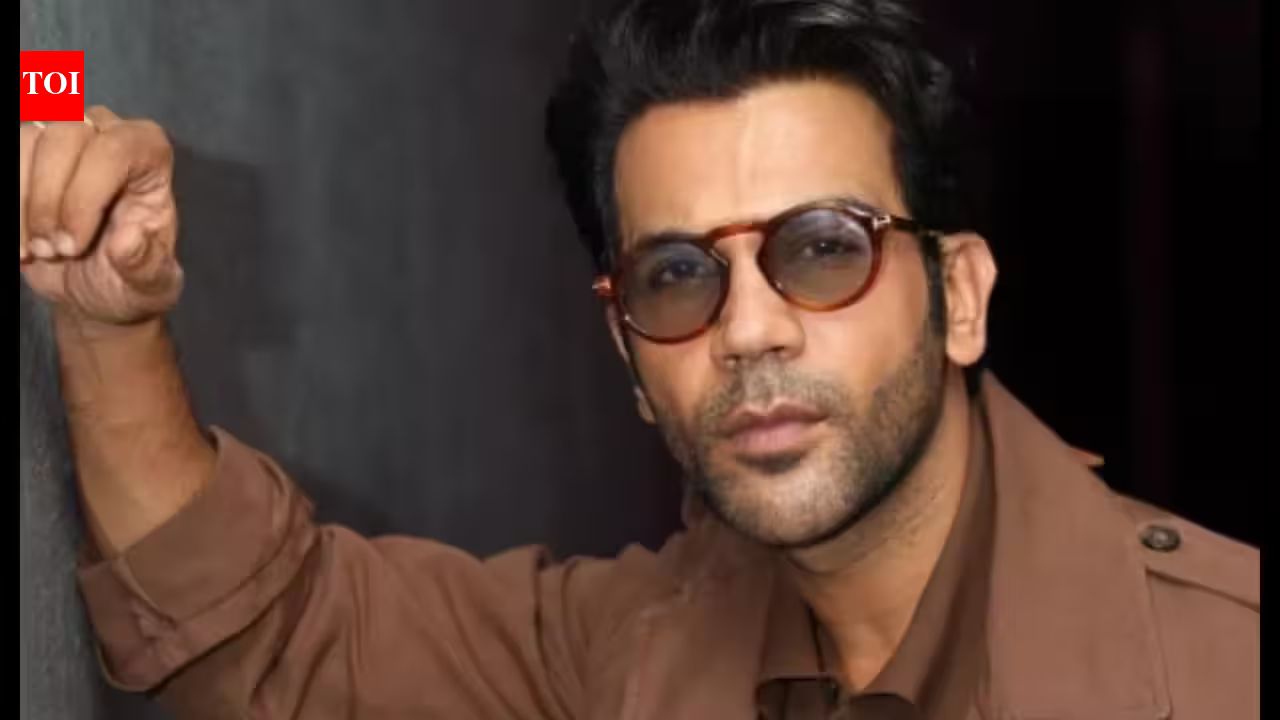
In an industry obsessed with the currency of “stardom,” Rajkummar Rao remains a glaring anomaly. Sitting at the recent FICCI Frames panel, the actor, who has spent sixteen years navigating the volatile tides of Indian cinema, offered a perspective that felt refreshingly grounded, if not outright defiant, against the machinery of fame. While his peers are often busy curating public personas, managing optics, and obsessing over their market value, Rao seems to be operating on an entirely different frequency: that of a student of his craft.
For an actor whose filmography reads like a masterclass in versatility—from the chilling intensity of CityLights to the comedic gold of the Stree franchise—it is easy to forget that his rise was never predicated on the traditional “star” template. As he prepares to step into the formidable shoes of veteran public prosecutor Ujjwal Nikam for his upcoming biopic, Prahaar, Rao’s recent comments serve as a timely reminder of what happens when an actor decides that the work is more important than the brand.
The Art of Defying Industry Labels
The lexicon of Bollywood is often reductive. Actors are frequently categorized by “box office pull,” “brand value,” or “superstar status.” During his session at FICCI Frames, Rao addressed these monikers with a blunt indifference that would make a publicist sweat.
“Whatever terms people give you: star, superstar, brand, it does not concern me,” he stated. For Rao, these labels are external noise. When the camera rolls, the “brand” evaporates, leaving only the script and the character. He views the moment of stepping onto a set as a sacred, almost meditative, space. It is a “pure” form of engagement that he refuses to dilute with the commercial anxieties that typically plague the upper echelons of the industry. In his view, the moment an actor starts measuring a script against their “brand value,” the performance is already compromised.
A Legacy Built on Theatre Roots
To understand Rao’s current philosophy, one must look back at his genesis. Long before he was a household name, he was a theatre actor with nothing but a desire to inhabit human stories. He admits that when he was starting out sixteen years ago, his dream was singular: to be a film actor. There was no ambition to be an icon, an influencer, or a conglomerate of marketing assets.
“It’s been 16 years in the industry, but I have never seen myself as a brand,” he confessed. It is a revealing admission. By keeping his internal compass pointed toward the craft rather than the pedestal, Rao has managed to bypass the identity crises that often afflict actors once the initial glow of stardom begins to wane. By treating his career as a pursuit of truth rather than a accumulation of status, he has secured a longevity that is rarely afforded to those who build their careers on the sand of “brand image.”
The Heavy Lifting of Biopics
Rao’s name has become synonymous with the “biopic” genre, a space he occupies with increasing frequency and rigor. His upcoming portrayal of Ujjwal Nikam in Prahaar is the latest in a series of deep dives into real-life figures. However, Rao is quick to point out that this is not merely a box-ticking exercise for him; it is a difficult, often draining, commitment.
“Biopics are a very difficult genre. And it takes a lot of guts and courage for everybody involved to make a biopic,” he noted. There is a weight of responsibility when portraying a living legend or a historical figure, and Rao approaches it with a gravity that underscores his respect for the subject matter. He revealed that he is approached for a vast number of these projects—far more than he eventually signs on for—suggesting that filmmakers see in him a rare ability to disappear into a role rather than simply “play himself.”
Maintaining Creative Integrity in a Commercial Landscape
In a landscape dominated by the pressure to maintain relevance through social media and constant public appearances, Rao’s approach feels like a necessary recalibration. He remains steadfast in his refusal to let the industry’s transactional nature dictate his creative choices. When he reads a script, he isn’t checking if it will boost his “market sentiment.” He is checking if the character is worth the labor of transformation.
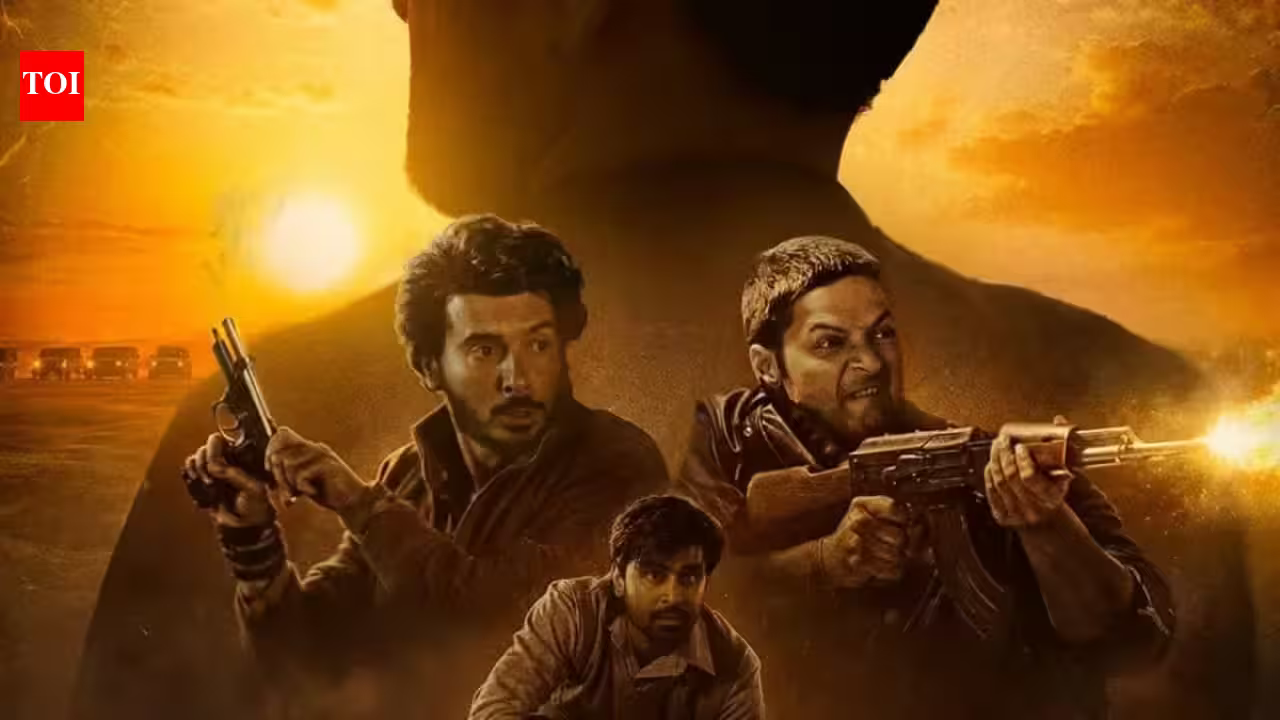
This integrity has paid off. His recent releases, such as the action-drama Maalik and the fantasy-romantic comedy Bhool Chuk Maaf, demonstrate a range that would be impossible if he were chained to a specific, limiting brand persona. By playing the field—from grounded, gritty realism to lighter, commercial narratives—he remains the most unpredictable actor in the business.
Looking Ahead: The ‘Prahaar’ Chapter
As the industry looks toward the October 16, 2026, release of Prahaar: The Untold Story of Ujjwal Nikam, the focus remains on whether Rao can once again bridge the gap between technical acting and mainstream accessibility. The story of India’s most high-profile public prosecutor is a daunting prospect, but for an actor who has spent sixteen years stripping away the vanity of the industry, it is likely just another day at the office.
Rajkummar Rao isn’t interested in being a brand, and in the current climate of celebrity-worship, that is precisely why he is the only actor worth watching. While others fight to maintain their status as the industry’s latest “it” entity, Rao is doing the only thing he ever wanted to do: telling stories, one character at a time. As he succinctly put it, “People can call you whatever they want.” And in an era where everyone is trying to be everything to everyone, Rajkummar Rao’s refusal to be anything other than an actor is his greatest strength.
Disclaimer: This content is auto-generated for informational purposes only.
Source: Read Original News