







Aichi-Nagoya is proving to be a sobering destination for the Indian contingent as the Asian Games enter their final stretch. While the historic 106-medal haul in Hangzhou just three years ago ignited dreams of a new era of continental dominance, the reality currently unfolding in Japan paints a far more fragile picture. With the games winding down, the stark decline in gold medal production has shifted from a mere statistical fluctuation to a profound institutional reality check.
The numbers are difficult to gloss over. In Hangzhou, India secured a record-breaking 28 gold medals, establishing a benchmark that many believed signaled the country’s permanent arrival as a sporting powerhouse. In Aichi-Nagoya, that total has been slashed dramatically. Of those 28 titles captured in China, a staggering 20 have already slipped through India’s grasp, with the country failing to defend championships across nearly every major discipline, including shooting, athletics, archery, badminton, equestrian, squash, and tennis.
The Erosion of Individual Excellence
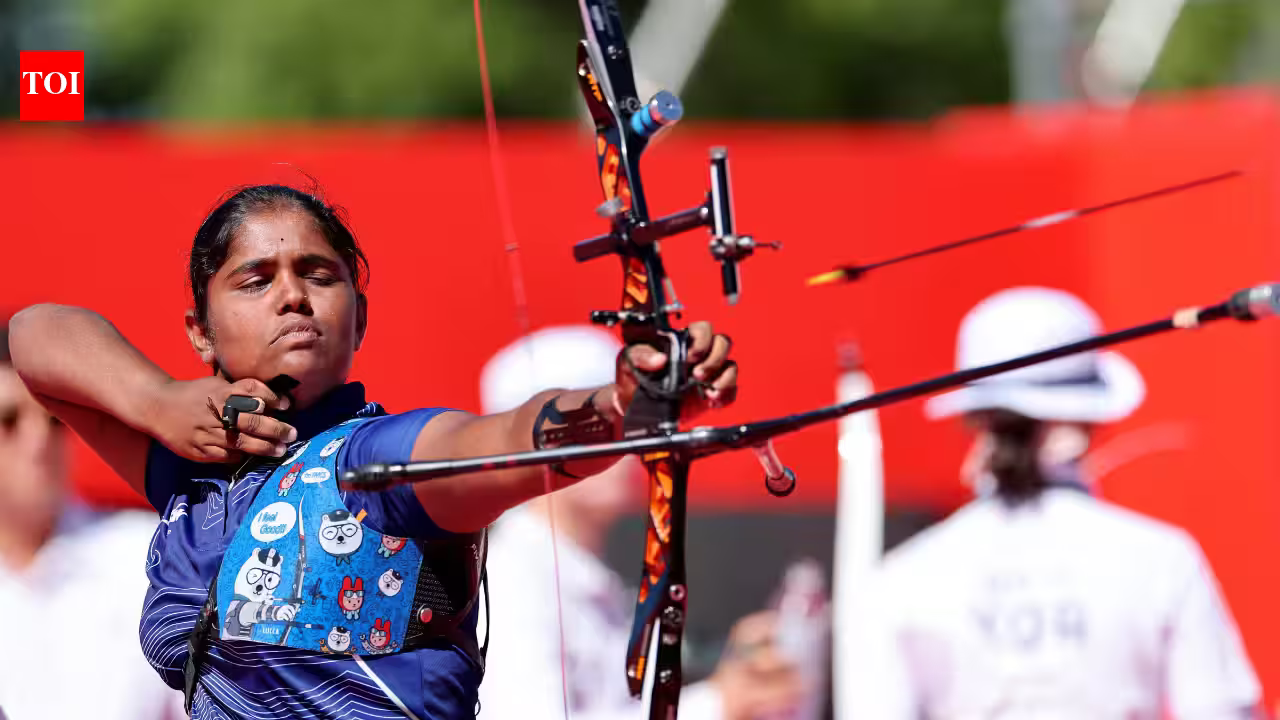
Perhaps the most troubling trend is the collapse of India’s individual event prowess. Hangzhou was a masterclass in solo performance, with India collecting nine individual gold medals across shooting, athletics, and archery. In the current edition, not only has India failed to defend a single one of those titles, but in several instances, the nation’s representatives could not even navigate the qualifying rounds to reach the finals.
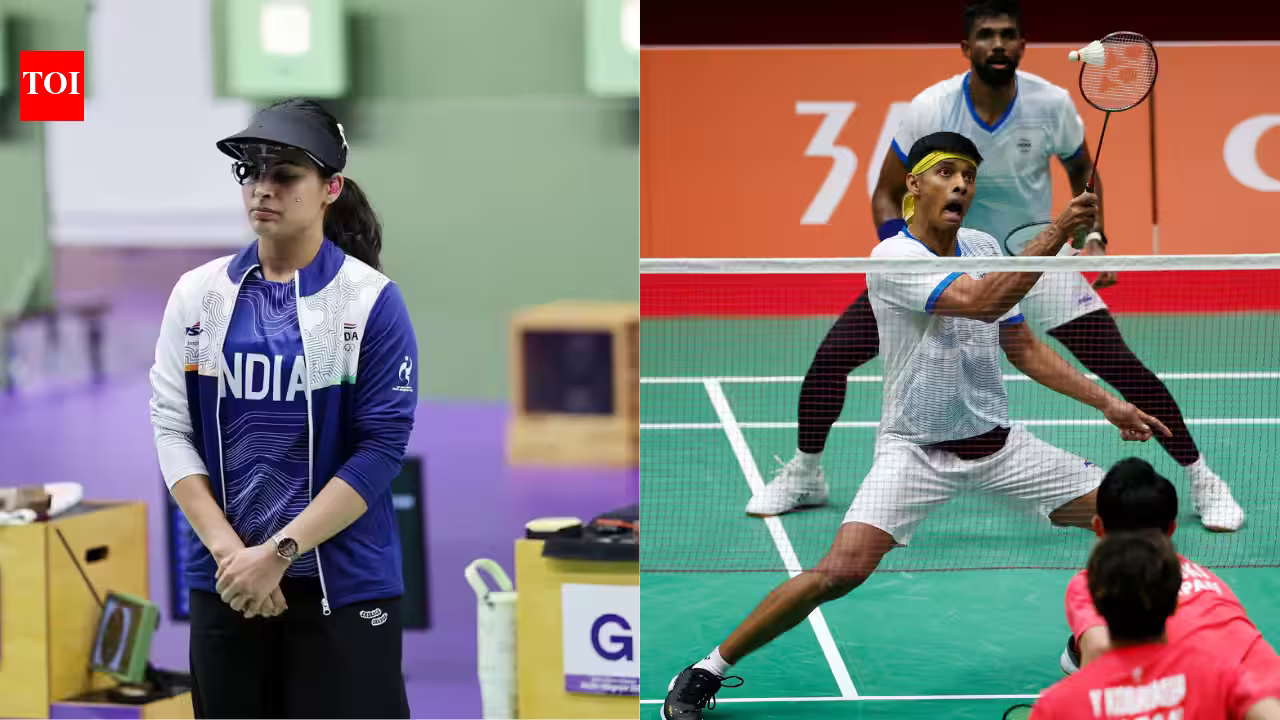
The decline is felt most acutely in the shooting and athletics arenas, which were the bedrock of the 2023 success. Shooting, which single-handedly accounted for seven golds in Hangzhou, has been entirely vacated, as has the six-gold haul in athletics. The sheer speed of this evaporation suggests that the success enjoyed in China was either a peak that could not be maintained or that the preparation cycle for Aichi-Nagoya failed to account for the rapid advancement of regional rivals.
A Shift Toward Team-Dependent Success
While the individual medal counts have dwindled, there has been a noticeable shift in how India secures its remaining golds. Among the 10 gold medals captured as of Thursday, only one has come from an individual discipline: Neeru Dhanda’s historic victory in the women’s trap. The remaining titles have been harvested through team, relay, or mixed-format events.
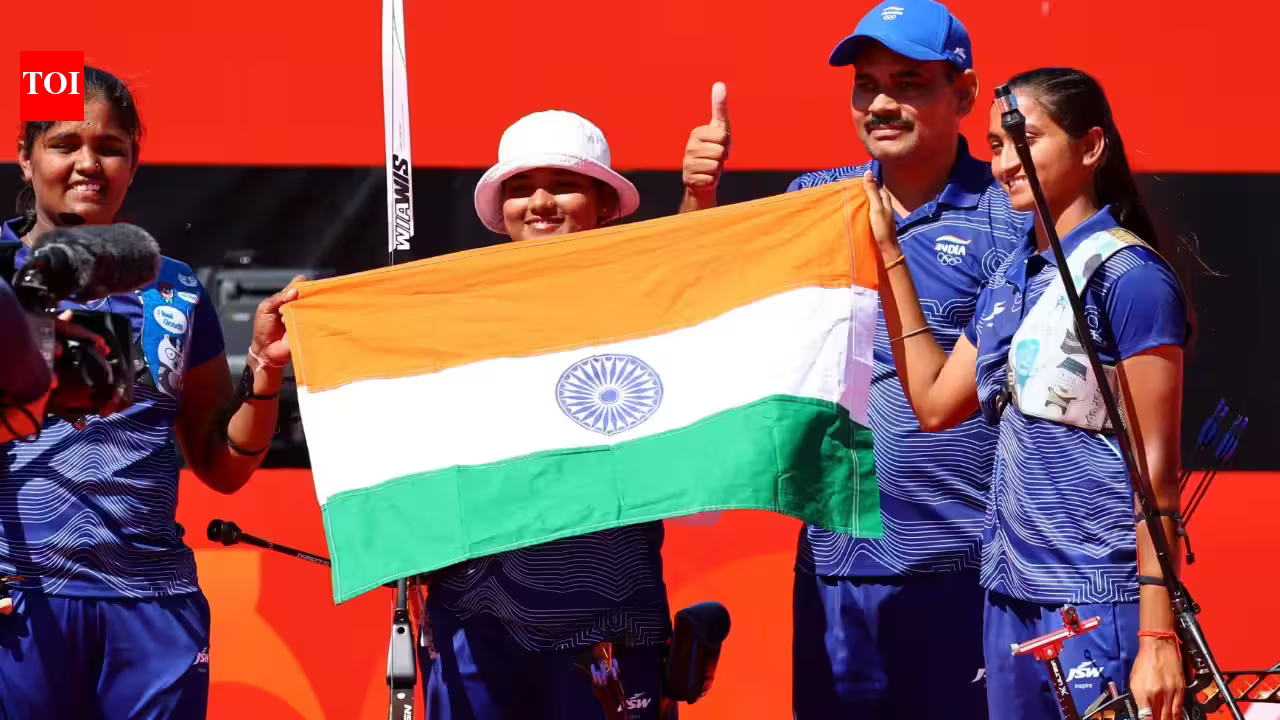
This shift indicates that while India remains competitive in group dynamics—where camaraderie and collective strategy can sometimes mask individual performance gaps—the country is losing its edge in head-to-head individual competition. The successful defenses that have occurred—notably in men’s and women’s kabaddi, the compound archery team events, and women’s cricket—provide a vital lifeline to the medal tally, but they also mask a systemic failure to nurture individual champions who can survive the high-pressure environment of a repeating tournament cycle.
The “Hangzhou Hangover” and Future Implications
With just two days of competition remaining, India holds 10 gold medals and sits eighth in the overall standings, a far cry from the celebratory atmosphere of 2023. China’s gargantuan tally of 154 golds serves as a reminder of the gap that still exists, but the more pressing concern for Indian administrators is the internal decline.
Two final opportunities remain to salvage some pride in the form of the men’s hockey team and the men’s cricket team. Both sides have advanced to their respective gold-medal matches—hockey after a gritty 4-3 victory over Pakistan, and cricket following a dominant 124-run thrashing of Sri Lanka. Should both teams strike gold, it would bring the tally to 12, improving the ratio of successful title defenses. However, even a perfect finish would leave the core issue unresolved: 20 of the golds won in Hangzhou will still be missing.
The question facing the Indian sporting establishment is no longer about talent—it is about sustainability. The 28-gold campaign in Hangzhou proved that India could reach the summit, but Aichi-Nagoya is illustrating just how perilous the descent can be when that success is not reinforced by robust, long-term development strategies.
For the athletes who have fought for every podium finish in Japan, there is only respect. They have performed under immense pressure in an environment where expectations were inflated by the previous cycle’s success. But for the policy makers and sports bodies, this Games serves as a warning. Success in elite sport is rarely a linear trajectory; it is a cycle that requires constant renewal. As India looks toward the next major continental cycle, the “Hangzhou benchmark” should no longer be viewed as a baseline, but rather as a challenge to identify why the momentum has stalled so abruptly. The reality is that reaching the top is only half the battle; staying there requires a consistency that, based on the current results in Japan, remains elusive.
Disclaimer: This content is auto-generated for informational purposes only.
Source: Read Original News