









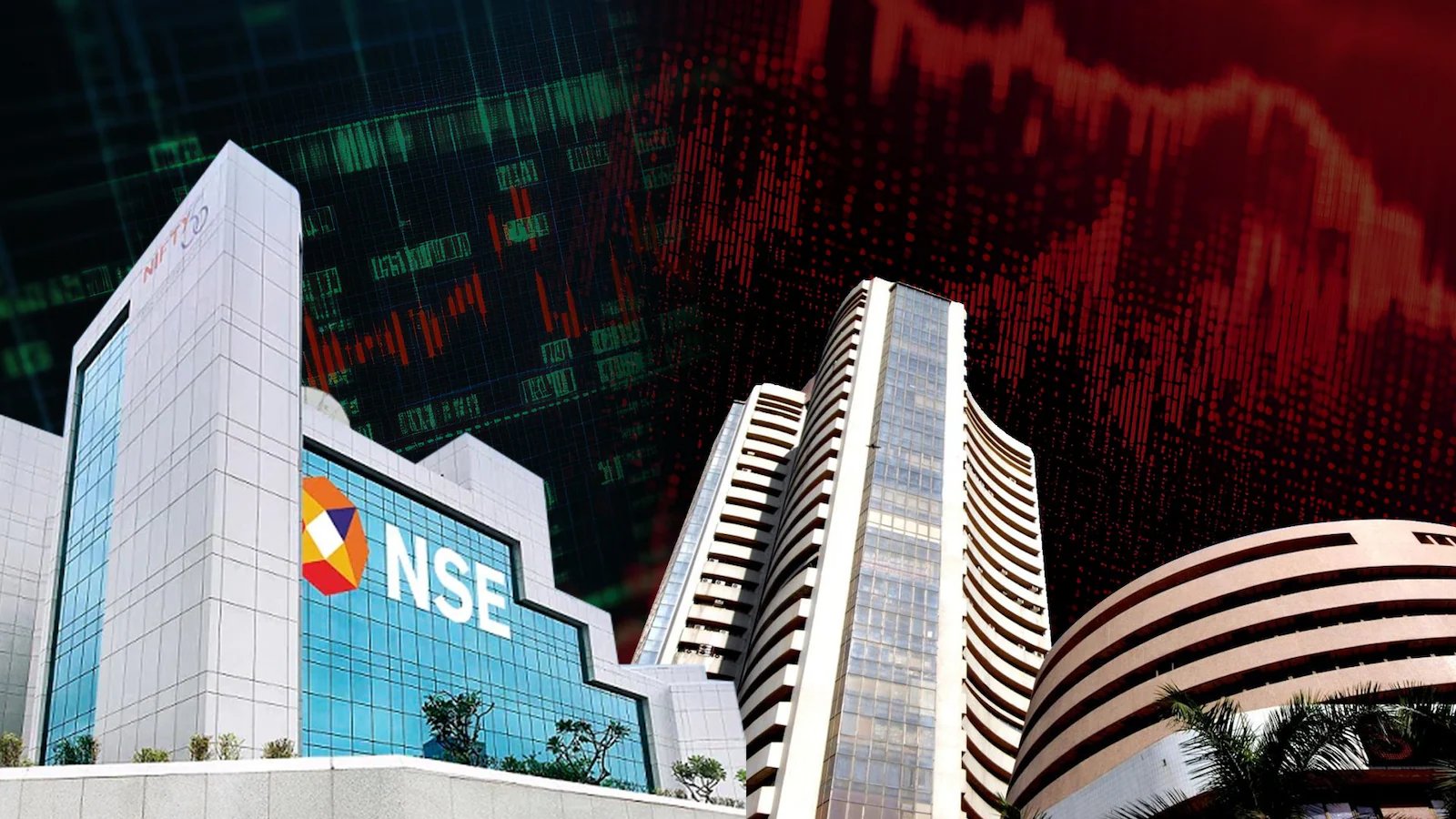
When the stock market turns volatile, the reflexive urge for many investors is to log into their trading apps, hit the refresh button, or rapidly pivot their portfolio strategy. However, the most recent data from the Securities and Exchange Board of India (SEBI) suggests that this instinct to “do something” is often a recipe for financial erosion rather than wealth creation. As retail investors navigate a cooling market, the divide between reckless speculation and disciplined capital management has never been sharper.
The Hidden Cost of High-Frequency Trading
The data from the previous fiscal year paints a sobering picture of individual market participation. According to SEBI’s latest findings, nearly 88% of retail equity derivative traders ended their year in the red. The collective financial toll was massive, totaling over ₹91,000 crore, with the average retail trader losing more than a lakh of rupees.
What makes these figures particularly alarming is that they occurred despite a drop in active traders. This indicates that the problem is not necessarily a lack of exposure to the market, but rather an issue of how individuals are participating. Technology has made trading more accessible than ever, allowing users to execute complex derivative strategies with a few taps on a smartphone. Yet, these tools, while sophisticated, cannot compensate for a lack of foundational strategy. As experts note, retail investors frequently mistake market activity for progress, confusing the sheer number of trades placed with the actual growth of their net worth.
The Shift Toward Systematic Resilience
While individual traders in volatile segments like derivatives have faced consistent losses, another side of the Indian investment landscape is showing significant structural strength. Systematic Investment Plans (SIPs) have surged, with contributions hitting record highs and the number of active accounts surpassing 10 crore. This shift marks a transition from “timing the market” to “time in the market.”
The rise of the SIP culture reflects a broader movement toward goal-based investing. Rather than chasing short-term market spikes, a growing segment of the population is viewing wealth creation as a long-term, incremental process. This is where modern financial technology is beginning to evolve beyond simple trading interfaces. Today, many investment platforms are integrating AI-driven insights and diagnostic tools that help users map their portfolios against specific life goals—such as retirement, education, or emergency funding—rather than just showing daily profit and loss figures.
Leveraging Data and AI for Better Financial Literacy
A significant hurdle remains: the knowledge gap. Despite the proliferation of trading apps, studies suggest that only a small fraction of households possess a high level of market literacy. The future of retail investment lies in bridging this divide. Technology firms are increasingly tasked with providing more than just execution speeds; they must provide educational context and risk assessment tools that alert users to the dangers of over-leveraging.
Artificial intelligence is playing a pivotal role in this transformation. By analyzing personal risk profiles and identifying behavioral biases, AI tools can help prevent investors from making panic-driven decisions during market downturns. Instead of reacting to headlines, investors are being guided by data-driven plans that emphasize diversification and consistency.
Ultimately, the maturity of an investor is not measured by the number of trades they execute during a bull run, but by their behavior when the charts turn red. For the retail investor, the lesson of the current cycle is clear: true wealth is built through disciplined, goal-oriented investing, supported by the right technological tools that prioritize long-term sustainability over the fleeting allure of high-frequency trading. As India’s investment landscape continues to evolve, the winners will be those who view their portfolios not as a casino, but as a deliberate path toward their future financial objectives.
Disclaimer: This content is auto-generated for informational purposes only.
Source: Read Original News