







The Evolution of AI-Assisted Retail
OpenAI has officially expanded the functional capabilities of its conversational assistant, ChatGPT, by integrating advanced shopping features designed to bridge the gap between digital discovery and consumer purchasing. This strategic rollout, which marks a significant shift in how users interact with generative AI for personal commerce, introduces two primary tools: a virtual try-on system and a centralized favoriting library. These features reflect a broader industry trend where technology providers are seeking to capture the retail discovery journey, moving beyond simple chatbot inquiries toward actionable shopping assistants.
The integration of these features follows a period of experimentation within the sector. Earlier attempts by various AI developers to facilitate direct, automated checkouts or aggressive product recommendations faced hurdles regarding user experience and perceived intrusion. OpenAI’s current iteration aims for a more balanced approach, focusing on utility and personalization rather than automated sales funnels. By prioritizing visual search and decision-making aids, the company is positioning ChatGPT as a utility for refining consumer choices rather than simply a marketplace platform.
Leveraging the ChatGPT Images 2.5 Model
The core technical foundation for these new shopping features is the newly released ChatGPT Images 2.5 model. This iteration represents a substantial upgrade in generative capability, specifically in the domains of photorealism and instruction adherence. OpenAI reports that the 2.5 model delivers more accurate lighting and complex textural rendering, which are critical for the realistic depiction of apparel and accessories on a user’s physique.
Latency reduction is perhaps the most significant technical gain in this update. Virtual try-on technologies require significant computational resources to overlay items onto a user’s provided image while maintaining spatial consistency and natural physics. By decreasing generation time, OpenAI ensures that the interactive component of the shopping experience remains fluid. The model’s ability to follow complex editing instructions allows it to better account for shadows, folds in fabric, and the underlying shape of the subject, providing a more reliable visualization of how a product might look in a real-world scenario.
The Mechanics of Virtual Try-On
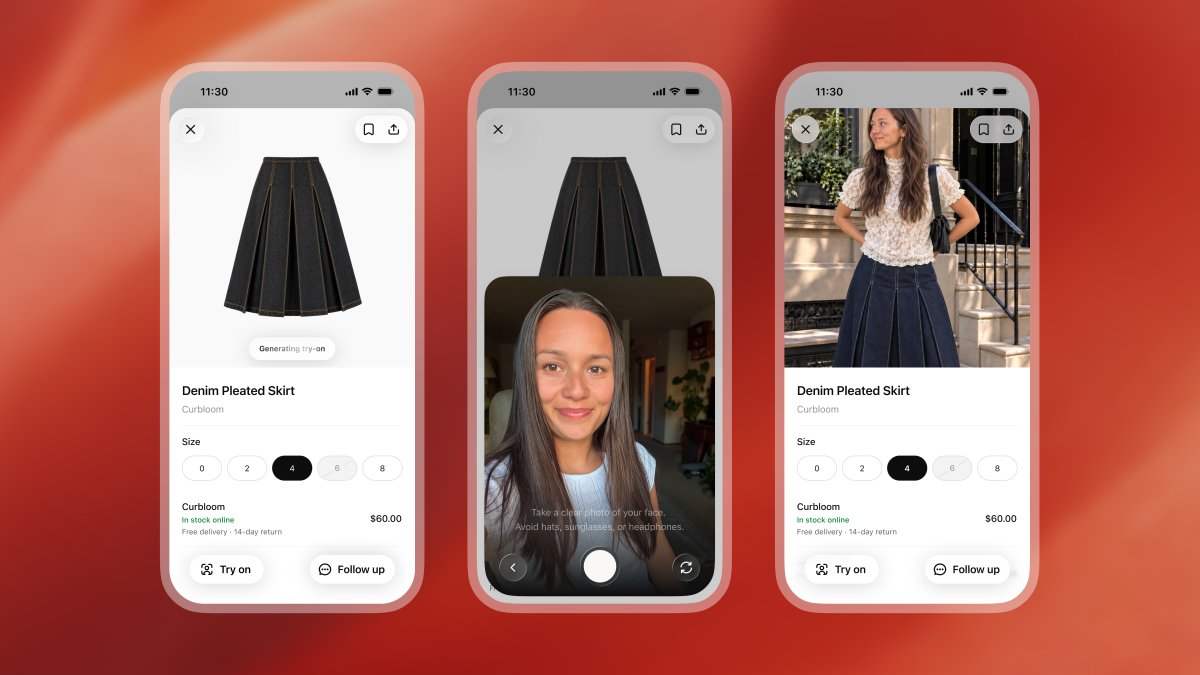
The virtual try-on feature is designed to be highly accessible. Users can upload a selfie or a full-body photograph directly into the ChatGPT interface. When a shopping result is generated, a new “Try On” button appears, prompting the AI to process the image of the clothing against the user’s provided photograph. The system is versatile enough to accept images from external sources; for instance, if a user takes a screenshot of a garment from a retail website, they can upload that image and request a visualization.
The technical implications here extend to computer vision and image synthesis. ChatGPT must effectively segment the target item, understand its dimensions, and perform a digital “drape” over the user’s body photo. While virtual try-on is not a new concept in the broader tech landscape—with competitors like Google having already introduced similar tools—the integration into a conversational AI architecture allows for a more iterative shopping process. Users can discuss the fit, ask for alternative color variations, or seek styling advice immediately after viewing the generated result.
Organizing Discovery with the Favorites Library
Alongside the visual tool, OpenAI has implemented a “Favorites” function to manage the long-term shopping process. Recognizing that consumers rarely finalize a purchase in a single session, the Favorites library acts as a persistent repository for discovered items. Users can save products they like, which are then organized within the application alongside their previous virtual try-on attempts.
This functionality addresses the fragmented nature of online shopping, where users often lose track of browser tabs or screenshots across multiple devices. By centralizing this information within the ChatGPT environment, the assistant maintains the context of the user’s shopping journey. This creates a cohesive history of preferences, which can later be used to refine future recommendations or assist in price comparisons as the user progresses toward a final decision.
Competitive Context and Market Impact
The entry of generative AI into the fashion and retail discovery space puts OpenAI in direct competition with established players like Pinterest and Google. For years, these platforms have served as the primary entry points for visual search and trend-based shopping. By enabling users to describe specific styles—or even upload photos of outfits worn by public figures—and then requesting that the AI identify available retail equivalents, OpenAI is encroaching on territory traditionally held by dedicated image-recognition search engines.
Whether these features will sufficiently shift consumer behavior depends on the accuracy of the recommendations and the perceived value of the assistant’s guidance. Unlike traditional e-commerce platforms that rely on structured databases and rigid search parameters, ChatGPT leverages its underlying large language model to interpret nuance. A user can request a style “for an outdoor dinner in autumn” and receive a curated set of items that the AI has contextualized based on that request.
As this technology matures, the impact on retailers may be profound. If successful, these tools could change the nature of online retail traffic, moving power from static search-engine optimization toward context-aware generative discovery. For now, OpenAI’s update serves as a notable step forward in transforming the chatbot from a general-purpose text generator into a sophisticated, visually aware commerce consultant.
Disclaimer: This content is auto-generated for informational purposes only.
Source: Read Original News