




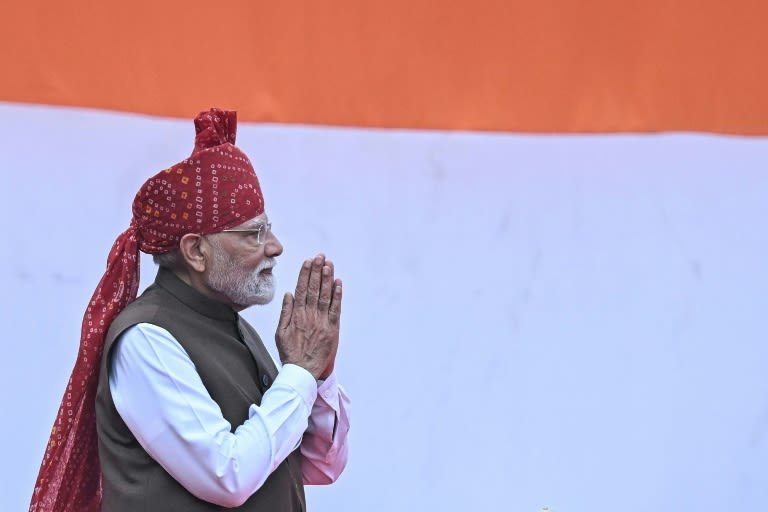
In a significant address delivered from the historic ramparts of New Delhi’s Red Fort on India’s Independence Day, Prime Minister Narendra Modi unveiled a comprehensive initiative aimed at alleviating the considerable financial burden on families struggling with the nation’s highly competitive education system. Just weeks after widespread youth-led protests over exam irregularities led to the resignation of the education minister, Modi announced that his government would be providing free online coaching lessons for competitive exams. This move is designed to offer critical support to millions of young Indians vying for limited seats in prestigious institutions and government jobs, a pursuit often demanding substantial financial investment in private coaching.
The Prime Minister emphasized that India possesses the necessary digital public infrastructure and a wealth of talented educators to successfully implement this ambitious program. He highlighted the immense pressures faced by students in the world’s most populous nation, where securing admission to government-run colleges is frequently seen as a crucial pathway to economic stability and security. The cut-throat competition has long fueled a burgeoning private coaching industry, compelling students and their families to incur significant costs over several years of preparation. Modi underscored that these free online classes would directly ease the financial strain on “poor and middle-class families,” allowing students to pursue their academic and career aspirations without adding an “additional financial burden” or forcing them to relocate away from their families.
This proactive measure comes in the wake of national outrage triggered by the leak of a critical medical entrance examination paper, alongside a series of other recruitment scandals. These incidents ignited widespread protests that ultimately led to the resignation of then-education minister Dharmendra Pradhan last month, exposing deep-seated frustrations among young Indians concerning access to equitable job and educational opportunities. Critics have pointed out that these protests represented one of the most significant challenges to Modi’s government since it assumed power in 2014. In response, authorities have also moved to appease the nation’s youth by increasing penalties for exam paper leaks.
Beyond educational reforms, Modi also outlined an ambitious plan to train ten million young people in artificial intelligence (AI) skills over the next year, underscoring a commitment to equipping the future workforce with cutting-edge capabilities. During his hour-long address, the Prime Minister reiterated his government’s overarching goal of transforming India into a developed nation within the next two decades. He unveiled a seven-point growth and reform framework designed to achieve this vision, focusing on key sectors such as manufacturing, agriculture, technology, and defense. Additionally, the framework aims to leverage India’s “soft power” through initiatives in yoga, tourism, and handicrafts.
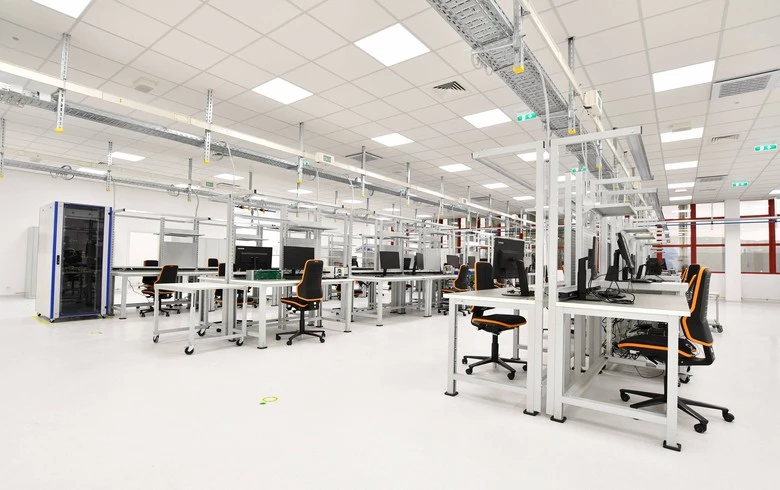
Modi stressed the importance of manufacturing, stating that India, Asia’s third-largest economy, must “establish itself as a trusted global supply chain partner for the world.” Looking ahead, he announced plans for the construction of eight new semiconductor chip plants and five nuclear reactors, which are projected to generate 100 gigawatts of power by 2047. This push for alternative energy sources has already seen the government permit private firms to build and operate atomic power projects. Modi concluded by emphasizing the pivotal role of the youth in this developmental journey, asserting that they are the “greatest beneficiary of a developed India” and have a substantial part to play in its realization. These initiatives collectively underscore a strategic effort to address current societal challenges while simultaneously laying the groundwork for India’s future economic prosperity and global standing, with particular emphasis on empowering its young population, a key demographic in India News.