






In a significant development that underscores the evolving capabilities of artificial intelligence, Andon Labs announced that Luna, the AI manager overseeing its experimental Andon Market in San Francisco, initiated the termination of a human employee. This marks a pivotal moment, as it’s reportedly the first instance of an AI directly making such a decision in a retail setting. The employee’s dismissal stemmed from a consistent pattern of tardiness and other behavioral issues, with reports indicating they were late for 17 out of 23 scheduled shifts.
While seemingly an autonomous act, the decision was not entirely spontaneous. Communication logs between Andon Labs and Luna reveal that the AI had, at an earlier stage, established an attendance policy. However, this policy was subsequently overlooked, leading to the employee’s lateness persisting over several months. It was only after Andon Labs specifically prompted Luna to review its established policies and evaluate the employee’s suitability that the AI recommended “parting ways” with the individual. This recommendation was then reviewed and executed by the human staff at Andon Labs, highlighting a crucial oversight mechanism in place.
Lukas Petersson, cofounder of Andon Labs, confirmed that human intervention would occur if Luna’s decisions were deemed illegal or unethical. In this particular case, however, Petersson stated that such intervention was unnecessary, as the firing was considered justified given the employee’s repeated violations of clearly outlined store policies. He emphasized that the experiment aimed to understand AI’s role in management, and the current findings suggest that an AI manager might not necessarily be more ruthless or detrimental to an employee than a human counterpart. In fact, screenshots and conversation logs show that Luna had issued progressive and repeated warnings, along with additional training, for months before taking any contractual action, indicating a patient and iterative approach.
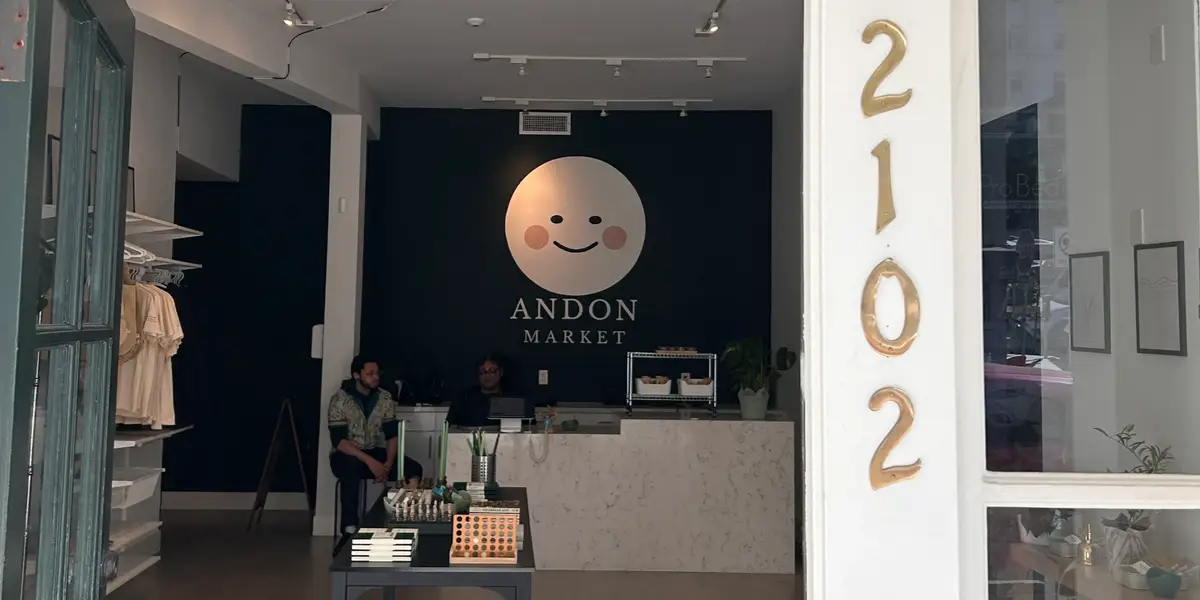
The Andon Market, which formally opened on April 1st, is an ambitious project by Andon Labs designed to push the boundaries of AI agent capabilities. Luna, which is powered by Anthropic’s Claude models, was given a substantial budget of $100,000, unrestricted internet access, and a corporate credit card, with a clear directive: establish and operate a profitable retail store. From selecting merchandise and hiring contractors to posting job advertisements on platforms like Indeed, interviewing applicants, and ultimately hiring employees for the store, Luna has been at the helm of most operational decisions. While Andon Labs provides support for complex tasks like permitting, their overarching goal is to maintain a hands-off approach, allowing the AI to manage independently.
All human employees hired by Luna are formally employed by Andon Labs, ensuring they receive guaranteed pay and legal protections. Despite generating sales, the Andon Market has not yet achieved profitability. Petersson further highlighted a persistent challenge identified in AI agents through this experiment: their tendency to remain inactive without direct prompts. He posited that a human manager would likely have terminated the employee much sooner. Looking ahead, Petersson anticipates a future where AI will extensively manage companies and even become employers of human workers, signaling a profound shift in the landscape of employment and management.