







India’s ambitious Project 75(I) submarine acquisition program, which has faced significant delays, is now reportedly nearing a crucial juncture. Sources indicate that a proposal for this substantial undertaking is anticipated to be presented to the Cabinet Committee on Security (CCS) in the coming days. This development signals a potential breakthrough in the years-long negotiations.
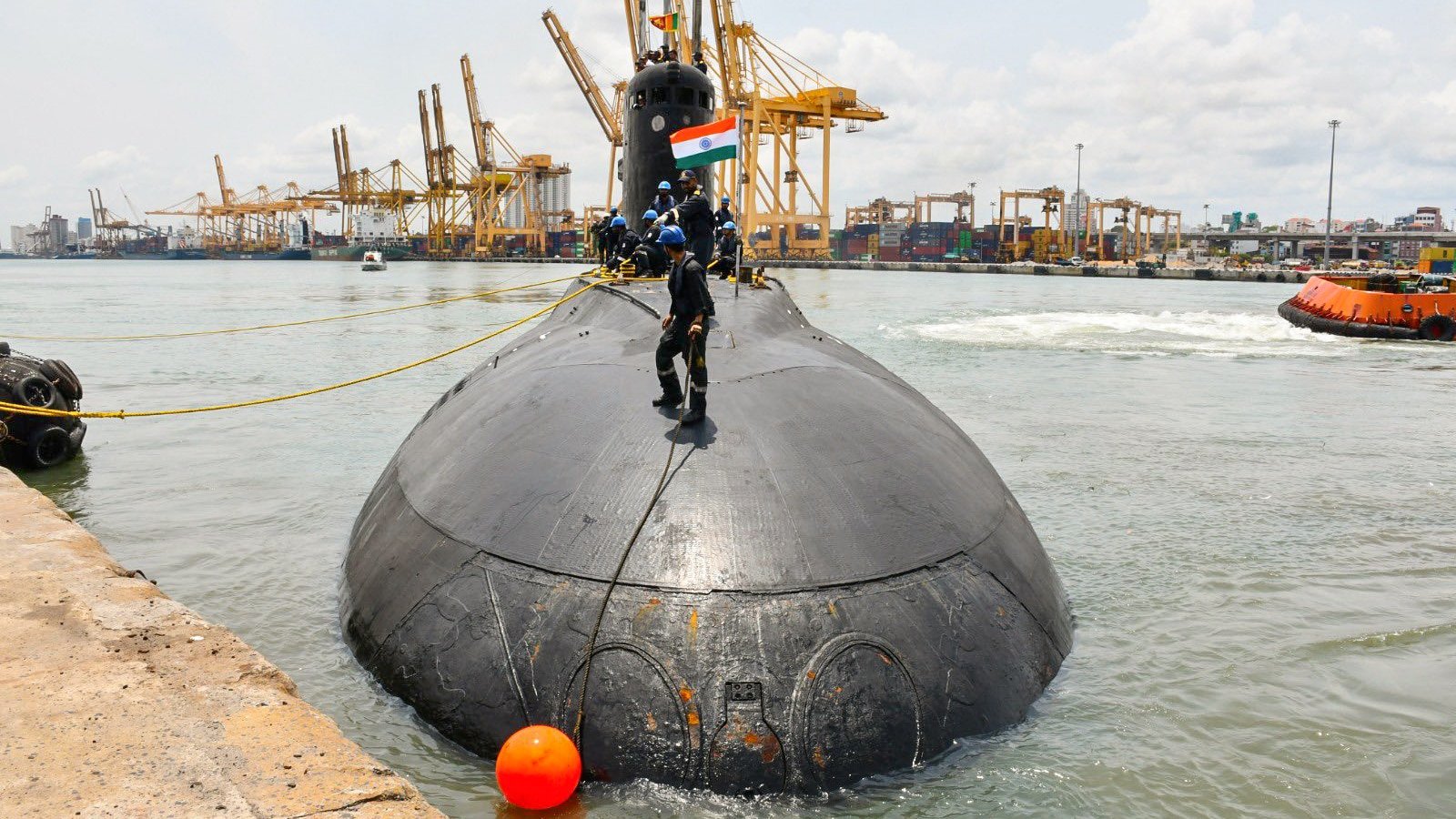
The project entails the construction of six advanced conventional submarines for the Indian Navy. This significant defense procurement is estimated to cost approximately Rs 70,000 crore. The plan stipulates that the majority of these submarines will be built domestically by Mazagon Dock Shipbuilders Ltd (MDL) in Mumbai, in collaboration with the German firm ThyssenKrupp Marine Systems (TKMS). The deal has been subject to protracted discussions, experiencing numerous stalls over various commercial terms and technical specifications. A positive nod from the CCS would effectively pave the way for the contract to be finalized and the manufacturing process to commence.
Even as the official decision looms, TKMS has proactively established a network of Indian partners, indicating a long-term strategic interest in India’s underwater warfare capabilities. Notably, the German company has signed a Memorandum of Understanding (MoU) with Hyderabad-based VEM Technologies. This collaboration aims to develop, build, integrate, and subsequently modernize heavyweight torpedoes. TKMS’s subsidiary, ATLAS ELEKTRONIK, is also involved, with VEM taking responsibility for integration and testing within India. This initial arrangement has since evolved into a comprehensive teaming agreement, encompassing technology transfer and a strong emphasis on a “Make-in-India” approach for the torpedo project. Furthermore, TKMS has forged a partnership with Mumbai-based CFF Fluid Control focusing on anti-submarine warfare systems, and is actively seeking additional collaborations with Indian entities, including the Defence Research and Development Organisation (DRDO).
For India, this deal transcends the mere procurement of six submarines. The overarching objective is to bolster indigenous capabilities in submarine construction, maintenance, upgrades, and ultimately, independent design. These new submarines are expected to incorporate air-independent propulsion (AIP) systems, a technology that significantly extends their underwater endurance compared to conventional diesel-electric submarines. They are also projected to be equipped with cutting-edge sensors, torpedoes, missiles, and electronic warfare systems. A critical aspect for Indian officials remains whether the deal provides sufficient avenues for domestic shipyards and companies to genuinely absorb and build upon the technology, moving beyond simple assembly to a deeper understanding and eventual improvement of the systems.
The prolonged delay in finalizing this agreement comes at a time when the Indian Navy is facing a noticeable shortfall in its conventional submarine fleet. The introduction of these six new vessels is crucial for enhancing underwater endurance, stealth capabilities, and overall surveillance and strike power. The AIP systems will allow for extended submerged operations, which are vital for prolonged patrols and sea-denial missions across the strategically important Indian Ocean region. This urgency is further amplified by the increasing presence of Chinese submarine activity in the Indian Ocean.
Previously, MDL successfully built six Kalvari-class submarines with technical assistance from France. While the first of these entered service in 2017, the final vessel, INS Vagsheer, was commissioned in January 2025.
The potential TKMS-MDL partnership represents a renewal of a long-standing relationship. India has operated German-designed Type 209/1500 Shishumar-class submarines for decades, with several of these built at MDL dating back to the 1980s. This renewed collaboration is envisioned to place a much stronger emphasis on local manufacturing, substantive technology transfer, and the development of a broader indigenous underwater warfare industry.
Assuming the CCS grants its approval, the subsequent steps will involve the formal signing of the contract and the initiation of work. The final contractual documents are expected to meticulously detail the workshare distribution among the Indian government, MDL, and TKMS, along with clear timelines for production, technology transfer, and long-term maintenance.