





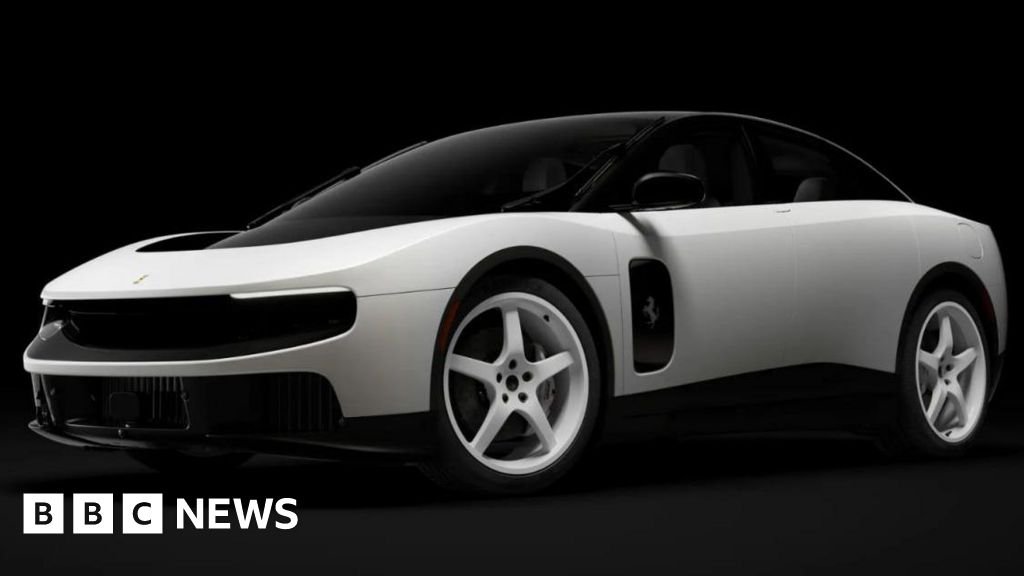
Hyundai, a name synonymous with innovation and progress in the automotive industry, recently faced an unexpected public relations challenge following the unveiling of its new Luce model. The introduction of the Luce, while intended to showcase the brand’s evolving design philosophy, instead ignited a heated debate among design aficionados and long-standing Hyundai enthusiasts. Many critics argued that the Luce’s aesthetics represented a significant departure from Hyundai’s established design language, characterized by a bold, often dramatic flair that had become a recognizable hallmark of their vehicles.
The immediate feedback on the Luce highlighted a stark contrast in opinion. Some commentators expressed concern that the new design lacked the distinctive visual impact previously associated with Hyundai. These critics often pointed to past models that had successfully blended cutting-edge technology with an assertive, almost sculptural exterior. The essence of Hyundai’s design identity, for many, lay in its ability to create vehicles that not only performed admirably but also possessed a striking visual presence on the road. The Luce, in their view, seemed to have veered into a more subdued or conventional aesthetic, potentially alienating a segment of their loyal customer base who appreciated the brand’s adventurous spirit in design.
Conversely, it’s also plausible that Hyundai’s intention with the Luce was to broaden its appeal and explore new design territories. The automotive industry is in a constant state of flux, with consumer preferences continually evolving. What might be perceived as a "break" from tradition by some could be seen as a bold and necessary step towards modernity by others. Perhaps the Luce was designed to cater to a demographic that prefers a more understated elegance or a streamlined, contemporary look over overtly dramatic styling. This shift could be a strategic move by Hyundai to capture a larger market share or to redefine its brand image for the future. Understanding these dynamics is crucial for anyone following automotive news and the broader trends shaping the industry. The design evolution of a major manufacturer like Hyundai is never a simple matter; it involves intricate decisions influenced by market research, technological advancements, and a vision for the brand’s future trajectory. This particular instance serves as a compelling case study on the delicate balance between brand consistency and the imperative for innovation in a highly competitive global market. The discussion surrounding the Luce underscores the deep connection consumers feel with automotive design and the significant impact it has on brand perception and loyalty. This ongoing debate about design choices is not unique to Hyundai, as many automakers grapple with similar challenges when introducing new models that aim to push boundaries while still retaining brand recognition. The long-term implications of such a design shift will undoubtedly be a topic of continued interest as the Luce finds its place in the market. The brand’s decision to potentially move away from its signature dramatic styling indicates a significant strategic consideration, one that aims to redefine its visual identity and market positioning. Only time will tell if this bold move will ultimately be seen as a visionary step or a miscalculation in the annals of automotive design. This particular instance highlights the subjective nature of aesthetic appreciation and the challenges automakers face in meeting diverse consumer expectations. The unfolding narrative of the Luce and its reception will be closely watched by industry analysts and enthusiasts alike, offering valuable insights into the ever-evolving landscape of car design and consumer trends. The company’s future endeavors, particularly in relation to its design language, will undoubtedly be influenced by the lessons learned from the Luce’s initial reception. The Luce’s launch, therefore, is more than just a new car unveiling; it’s a critical juncture in Hyundai’s design journey.