







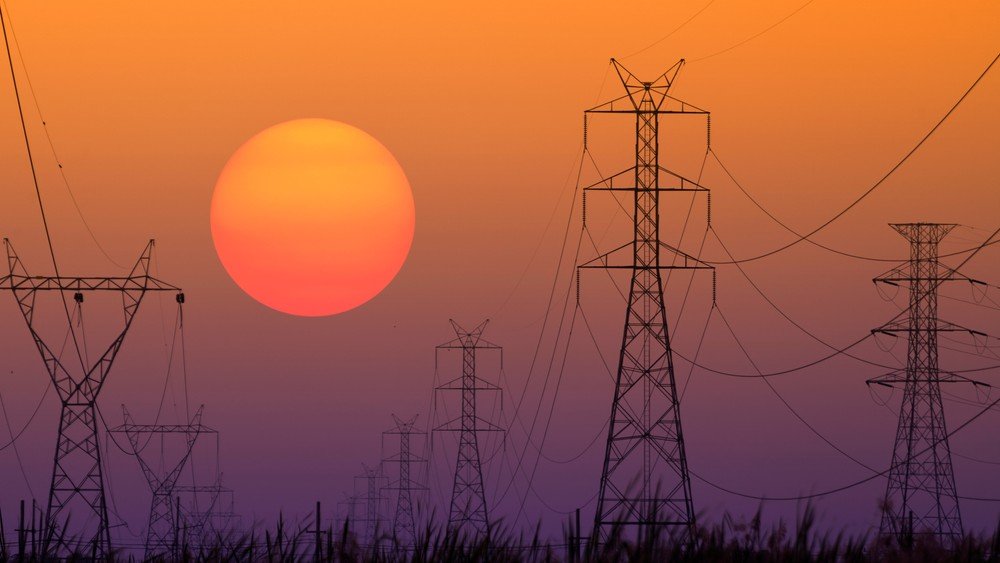
The Indian government has introduced a new policy allowing solar developers who have missed their project deadlines to maintain their crucial grid connectivity by paying a fee. This significant development, reported by Reuters and attributed to the country’s Central Electricity Regulatory Commission (CERC), aims to address the issue of underutilized grid resources. The CERC emphasized that grid connectivity is a finite resource, and it should not be held indefinitely without being actively used.
Under the new regulations, if a solar or wind developer misses its project deadline, they can retain their position on the grid connection queue. However, this privilege comes with a financial obligation: they must pay the equivalent of $10.48 per megawatt per day until their project is completed. The penalties become even steeper if developers delay the commencement of commercial operations at their facilities, in which case they would face a charge three times higher.
This relief measure, however, is not a permanent solution for developers facing chronic delays. The CERC has outlined specific timelines within which developers must rectify their issues. They are granted three months to finalize land acquisition requirements, six months to secure the necessary funding for construction, and a maximum of 12 months to commission their completed projects.
This latest move follows a series of policy adjustments designed to support India’s ambitious renewable energy targets. Earlier this month, New Delhi announced an exemption from transmission charges for wind and solar developers whose projects encounter commissioning delays due to constraints in transmission capacity. This particular relief will be applicable only to projects where developers had secured power sale contracts of at least seven years by the end of the current year. In a broader effort to stimulate the growth of wind and solar energy, the government began phasing out interstate transmission charges for alternative energy generation projects in July of the previous year.
India has set an ambitious target of establishing 500 GW of non-hydrocarbon generation capacity by 2030. Currently, solar power contributes approximately 29% of the nation’s non-hydrocarbon generation capacity, with plans to expand it from the current 162 GW to over 292 GW by the target year. However, this ambitious goal faces challenges. Recent legislative changes aimed at reducing the country’s reliance on imported solar components, particularly from China, have put this target under scrutiny. While India boasts a substantial domestic module manufacturing capacity of 200 GW, its solar cell manufacturing capacity remains significantly lower, at just 27 GW, creating a bottleneck for achieving self-sufficiency in the solar supply chain.