





UK Government Urged to Fund Multi-Million Pound Toxic Waste Clean-up in Wales Amid Bankruptcy Fears for Local Councils
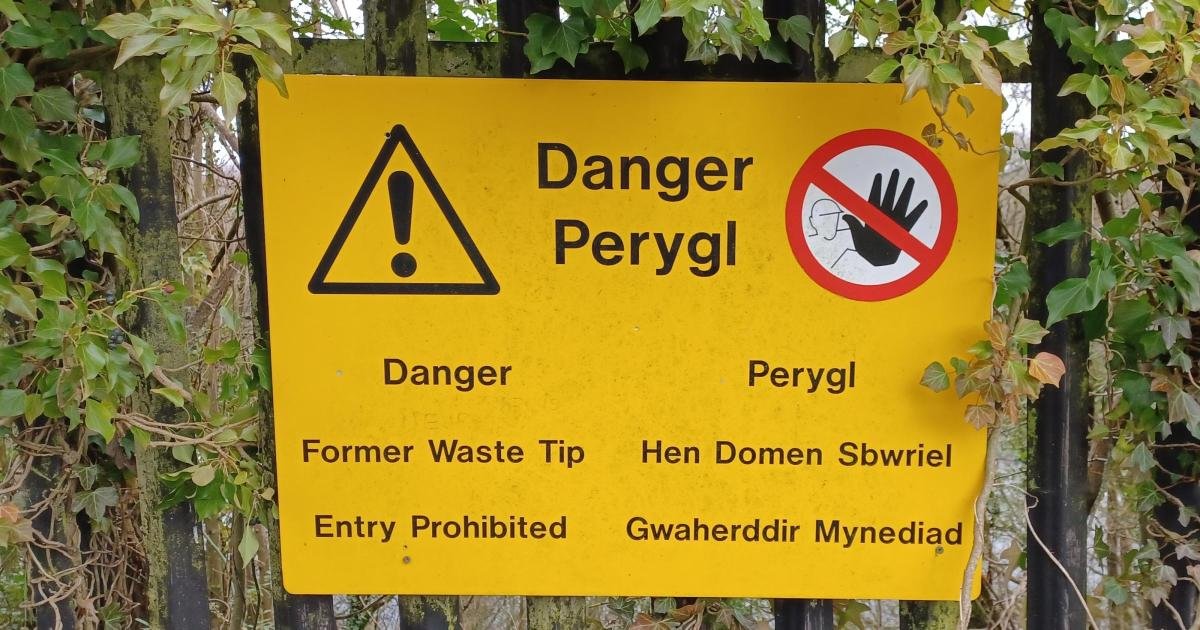
Wrexham, Wales – Environmental organisations are sounding the alarm over the escalating costs of cleaning up historic toxic waste sites across Wales, warning that the burden could push local councils like Wrexham to the brink of bankruptcy. Wales Environment Link (WEL), a prominent network of environmental, countryside, and heritage non-governmental organisations, is demanding that the UK Government step in to fund the remediation of these hazardous sites, particularly focusing on the infamous Llwyneinion Acid Tar Lagoon in Ruabon.
The urgency of the situation has been brought into sharp focus by "Buried," a compelling new BBC documentary presented by Welsh actor Michael Sheen. The documentary investigates the historical dumping of carcinogenic polychlorinated biphenyls (PCBs) by Monsanto at 12 sites in Wales and two in Cheshire before the chemicals were banned in the 1980s. PCBs are notoriously known as "forever chemicals" due to their persistence in the environment and their ability to accumulate in living organisms, posing significant health risks.
Residents living near the Llwyneinion site have reported a higher incidence of rare cancers, a stark indicator of the potential dangers posed by these contaminants. Despite these concerns, Wrexham County Borough Council has previously stated that the site was not deemed dangerous enough to warrant a clean-up. However, the estimated cost for remediation at Llwyneinion alone now stands at a staggering £45 million.
Karen Whitfield, Director at Wales Environment Link (WEL), emphasized the historical context of the pollution: “PCBs were dumped before devolution and so the UK Government should take responsibility for the impact on Welsh communities. The Welsh Government and public bodies need UK Government support and resources to urgently fund the remediation of contaminated waste sites.”
Whitfield further advocated for the creation of a specialized entity to tackle this widespread problem. “A dedicated body, akin to the Coal Authority, should be set up with the right expertise to deal with contaminated land remediation in Wales and England,” she urged.
Her appeal is strongly supported by Dr. Dave Megson, a forensic scientist from Manchester Metropolitan University, who has been vocal about this issue for over a decade. “I’ve been screaming about this for a decade or more,” he stated. “We have tried to engage with Government, but it falls on deaf ears. It’s time we wake up to this crisis and start prosecuting polluters for the damage they cause.”
WEL is not only calling for government funding but also demanding accountability from the companies responsible. They insist that those found liable for PCB contamination, specifically identifying Eastman Chemical Company as the successor to Monsanto’s historical conduct, should bear the costs of investigating and remediating these polluted sites, rather than burdening taxpayers.
The documentary "Buried," a two-part series exploring toxic waste dumping by chemical companies in Wales and its devastating impact on communities, is available on BBC iPlayer from Monday, August 17th. Episode one also aired on BBC One Wales and BBC Two across the UK on the same day. The documentary is expected to further intensify public pressure on both the UK and Welsh Governments to address this critical environmental and public health crisis.