







A transformative conservation project is set to reshape the landscape of the Cambridgeshire Fens, marking a significant milestone in the UK’s efforts to reverse biodiversity loss and mitigate the impacts of climate change. By connecting Holme Fen and New Decoy Farm with adjacent tracts of restored farmland surrounding the historic Woodwalton Fen, environmental agencies and conservation partners are creating a vast, contiguous wetland corridor. This initiative aims to breathe new life into a region that was historically drained for intensive agriculture, restoring the complex hydrological systems necessary for rare British wildlife to thrive.
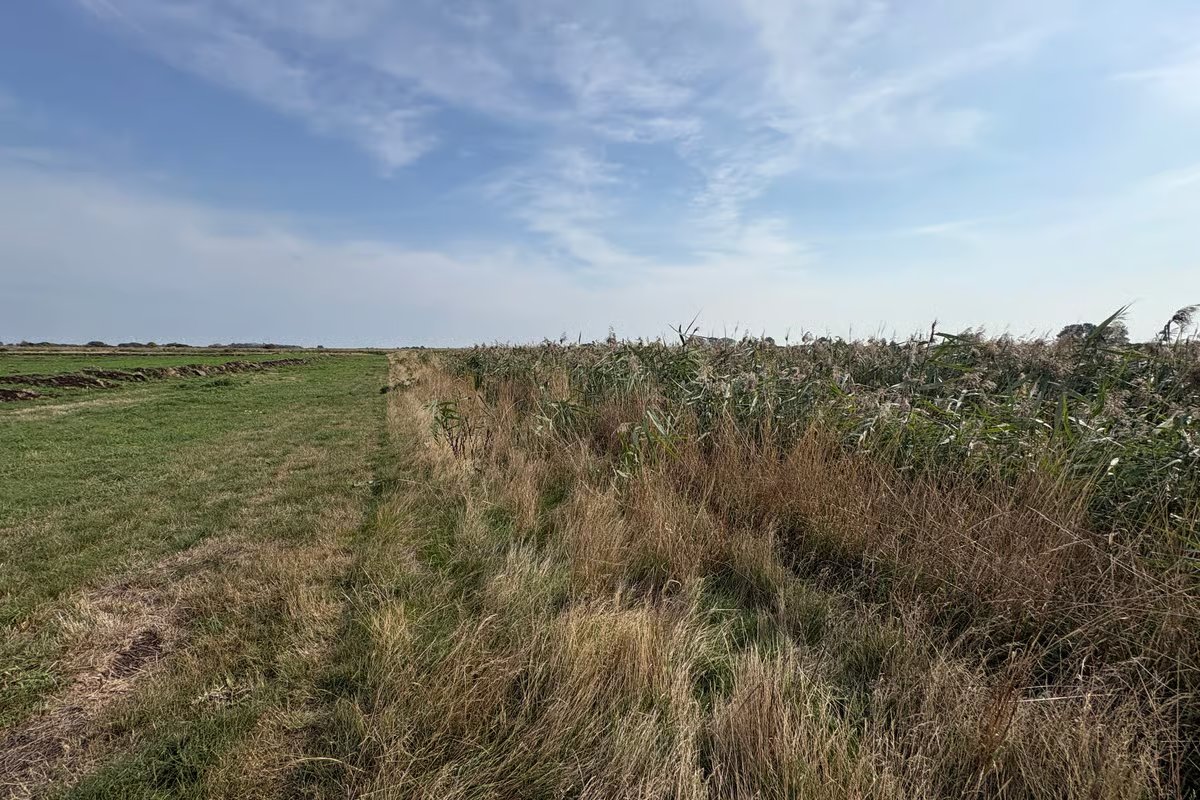
Woodwalton Fen, established in 1910, stands as one of the United Kingdom’s oldest nature reserves. Despite its significance, it has long functioned as an isolated “island” of biodiversity, surrounded by high-intensity arable land. The new restoration project seeks to bridge this divide by re-wetting hundreds of acres of low-lying farmland. This process involves the strategic management of water levels to mimic the natural floodplain dynamics that once characterized the Great Fen, allowing reedbeds, wet woodland, and complex channel systems to expand beyond the reserve’s original boundaries.
The environmental implications of this connectivity are profound. Wetlands are among the most effective carbon-sequestering ecosystems on the planet. By restoring the peat-rich soils of the Fens to a saturated state, the project halts the oxidation of carbon-heavy organic matter, effectively turning a former source of greenhouse gas emissions into a carbon sink. Furthermore, these restored wetlands act as vital natural sponges, buffering the surrounding areas against flood risks during extreme weather events and filtering agricultural runoff, which significantly improves local water quality.
For wildlife, the creation of this expansive landscape addresses the critical issue of habitat fragmentation. Many species, particularly those with specialized requirements, struggle to survive in small, isolated patches. The expansion of these wetlands provides the necessary scale for biodiversity to flourish. Experts anticipate that the project will significantly bolster populations of rare dragonflies and butterflies, which rely on the specific microclimates of reedbeds and scrub. Furthermore, the increased availability of diverse, interconnected aquatic habitats is expected to provide essential corridors for mammals such as otters, which require large territories to hunt and den, and elusive bird species like the bittern—a bird whose recovery in the UK is directly tied to the restoration of large, well-managed reedbeds.
The project is the result of long-term planning and collaboration between landowners, environmental charities, and government bodies. Success requires not only the physical alteration of the land—such as removing drainage pipes and carefully contouring the soil to hold water—but also a commitment to long-term monitoring and adaptive management. As the vegetation transitions from agricultural crops to native wetland flora, the baseline ecology of the area is already showing signs of rapid improvement, with sightings of migratory waterfowl and rare insects increasing annually.
This initiative is part of a broader national strategy to establish “Nature Recovery Networks” across the UK. By focusing on landscape-scale restoration rather than site-specific protection, the project provides a blueprint for how degraded landscapes can be repurposed to serve both ecological and human needs. As the wetlands grow, they will offer not only a sanctuary for vulnerable species but also a window into the Fens’ ancestral history, providing the public with an opportunity to witness a rare, wild, and functioning wetland ecosystem in the heart of East Anglia.
The expansion of Woodwalton Fen serves as a powerful reminder that while the damage to historic landscapes was deep and systematic, the capacity for ecological regeneration is equally significant. By prioritizing the connectivity of Holme Fen and its neighbors, the project ensures that the region’s natural heritage will be preserved for future generations, while simultaneously offering a robust, nature-based solution to the modern challenges of biodiversity loss and environmental instability.
Disclaimer: This content is auto-generated for informational purposes only.
Source: Read Original News