









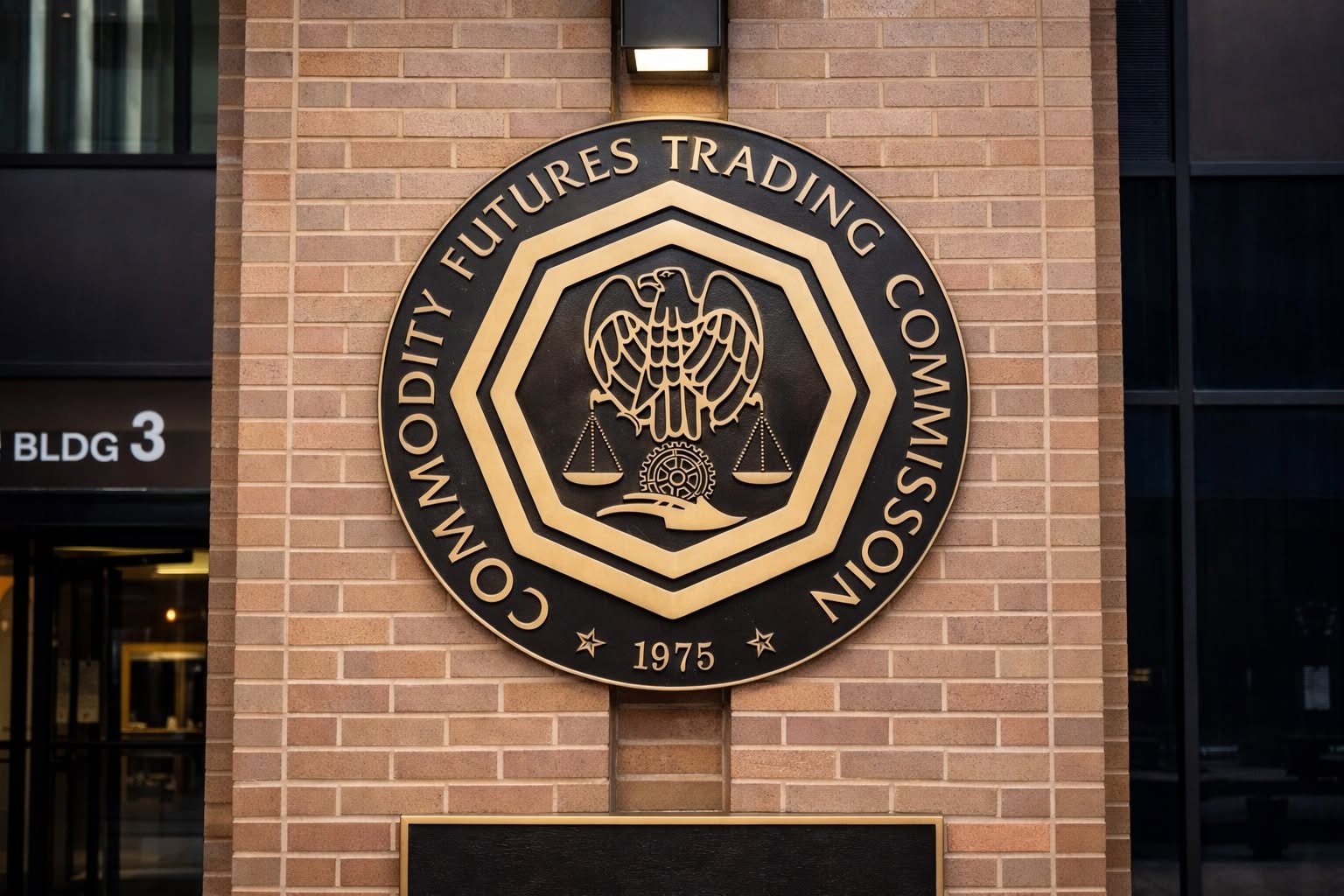
The Commodity Futures Trading Commission (CFTC) has launched a strategic offensive to solidify its regulatory grip over the rapidly expanding prediction market industry. By submitting two pivotal regulatory measures to the White House Office of Information and Regulatory Affairs (OIRA) on September 28, the commission is attempting to bypass a string of recent legal defeats that have threatened its authority to oversee platforms facilitating bets on real-world events.
This move comes as the tech-driven prediction market sector—platforms that treat political outcomes and sports results as tradeable financial assets—faces mounting pressure from state regulators and tribal nations. The outcome of these regulatory shifts could fundamentally alter how digital betting platforms integrate with financial technology and the broader internet economy.
## Redefining Financial Instruments for the Digital Age
The two measures currently under White House review represent a dual-track strategy to clear up legal ambiguities. The first proposal seeks to explicitly classify “event contracts” as “swaps,” effectively pulling them under the umbrella of the Commodity Exchange Act. This would grant the CFTC clear, federally mandated oversight of these digital markets, distinguishing them from simple sports betting or casino-style gambling.
Conversely, the second measure—an interim final rule—seeks to formally exclude casino-style gambling products from that same definition. By drawing a bright line between “financial derivatives” and “gambling,” the CFTC hopes to satisfy federal requirements for oversight while carving out space for its regulatory jurisdiction to prevail over state-level gaming laws.
The tech industry, which has seen platforms like Kalshi gain significant traction, is watching closely. For companies leveraging sophisticated AI and machine learning to forecast outcomes, the classification of their products as “swaps” versus “gambling” changes everything from taxation to compliance costs.
## Legal Setbacks and the Tribal Gaming Challenge
The CFTC’s aggressive push follows a series of high-profile courtroom losses that have emboldened tribal nations and state attorneys general. Recently, the Sixth Circuit court ruled against Kalshi, suggesting that its sports-related contracts do not qualify as swaps, thereby allowing states like Ohio and Tennessee to move forward with enforcing their own, often stricter, gambling regulations.
Simultaneously, the Ninth Circuit provided a significant win for tribal sovereignty, ruling that the Blue Lake Rancheria and Chicken Ranch Rancheria of Me-Wuk Indians have a strong legal argument that unauthorized sports wagering platforms violate the Indian Gaming Regulatory Act. These rulings have created a “jurisdictional patchwork” that complicates the operations of prediction market startups, which rely on national consistency to scale their user bases.
## The Future of Prediction Markets and Tech Oversight
For the tech industry, the CFTC’s maneuvers are not just about legal semantics; they are about the future of a new asset class. As AI becomes increasingly proficient at analyzing data to predict everything from inflation rates to election results, prediction markets are being positioned as “information machines” rather than mere betting parlors.
However, by attempting to assert exclusive jurisdiction, the CFTC is challenging the traditional right of states and tribes to protect their local gambling revenues. Critics argue that prediction markets are effectively “stealth casinos” that bypass consumer protections and impact local economic stability.
As the White House evaluates these rules, the full text remains shielded from public view, leaving market participants in a state of uncertainty. If the CFTC succeeds, it would likely harmonize federal oversight, potentially creating a standardized framework for tech platforms to offer event-based trading nationwide. If it fails, the “Wild West” era of prediction markets may persist, with developers forced to navigate a fragmented, state-by-state landscape that could stifle innovation and invite further litigation from tribal entities determined to defend their gaming rights.
Disclaimer: This content is auto-generated for informational purposes only.
Source: Read Original News