








The Apple hardware lineup has long maintained a clear hierarchy, but the distinction between the compact Mac mini and the portable MacBook series remains a topic of significant interest for prospective buyers. While the Mac mini has established a reputation for offering immense processing power at a competitive price, understanding the financial and engineering trade-offs between these two platforms requires a look at how Apple structures its products and its supply chain.
The Economics of Form Factor
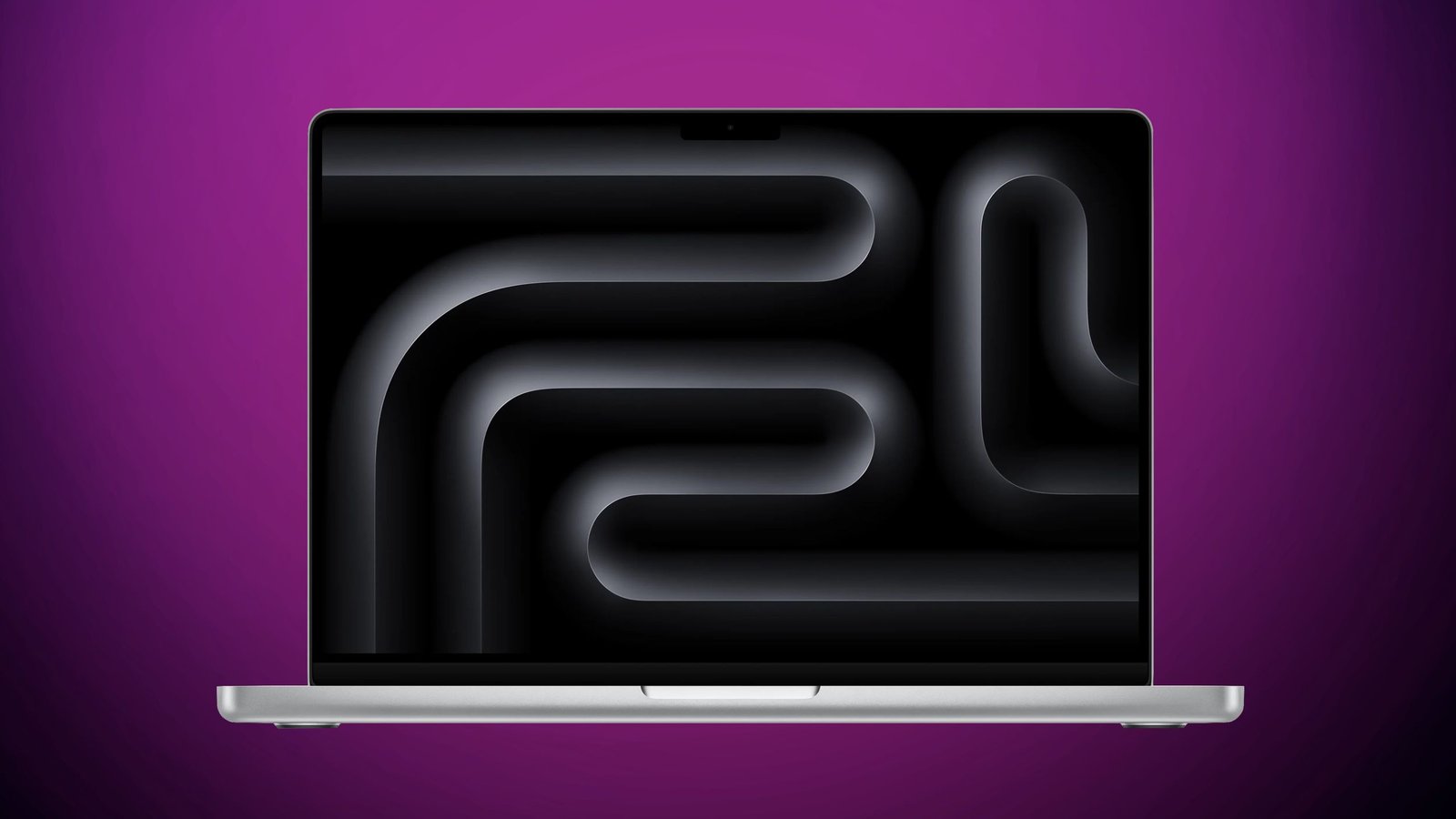
The primary reason the Mac mini carries a lower entry price than any MacBook model is the absence of integrated hardware components essential for mobile computing. A MacBook is a self-contained ecosystem; it includes a high-resolution display, a premium keyboard, a precision trackpad, an integrated battery, a webcam, and microphone arrays. When a consumer purchases a Mac mini, they are essentially paying for the “compute engine” alone.
From a manufacturing perspective, the display panel represents one of the most expensive individual components in a laptop. Beyond the raw cost of the screen, Apple must invest in the chassis engineering required to house the display, the mechanical hinges for durability, and the internal cabling to route data and power. By excluding these elements, the Mac mini effectively offloads the cost of peripherals to the user. While this lowers the barrier to entry, the financial advantage can vanish if a buyer must also purchase a monitor, keyboard, and pointing device to complete their workstation.
Engineering Differences: Cooling and Power
The thermal design of these two product lines further differentiates their costs. Apple’s MacBook lineup is designed around the constraints of thin-film enclosures, which necessitate advanced, high-density cooling solutions and power-efficient component layouts. Maintaining high performance in a compact, portable chassis is an expensive engineering challenge.
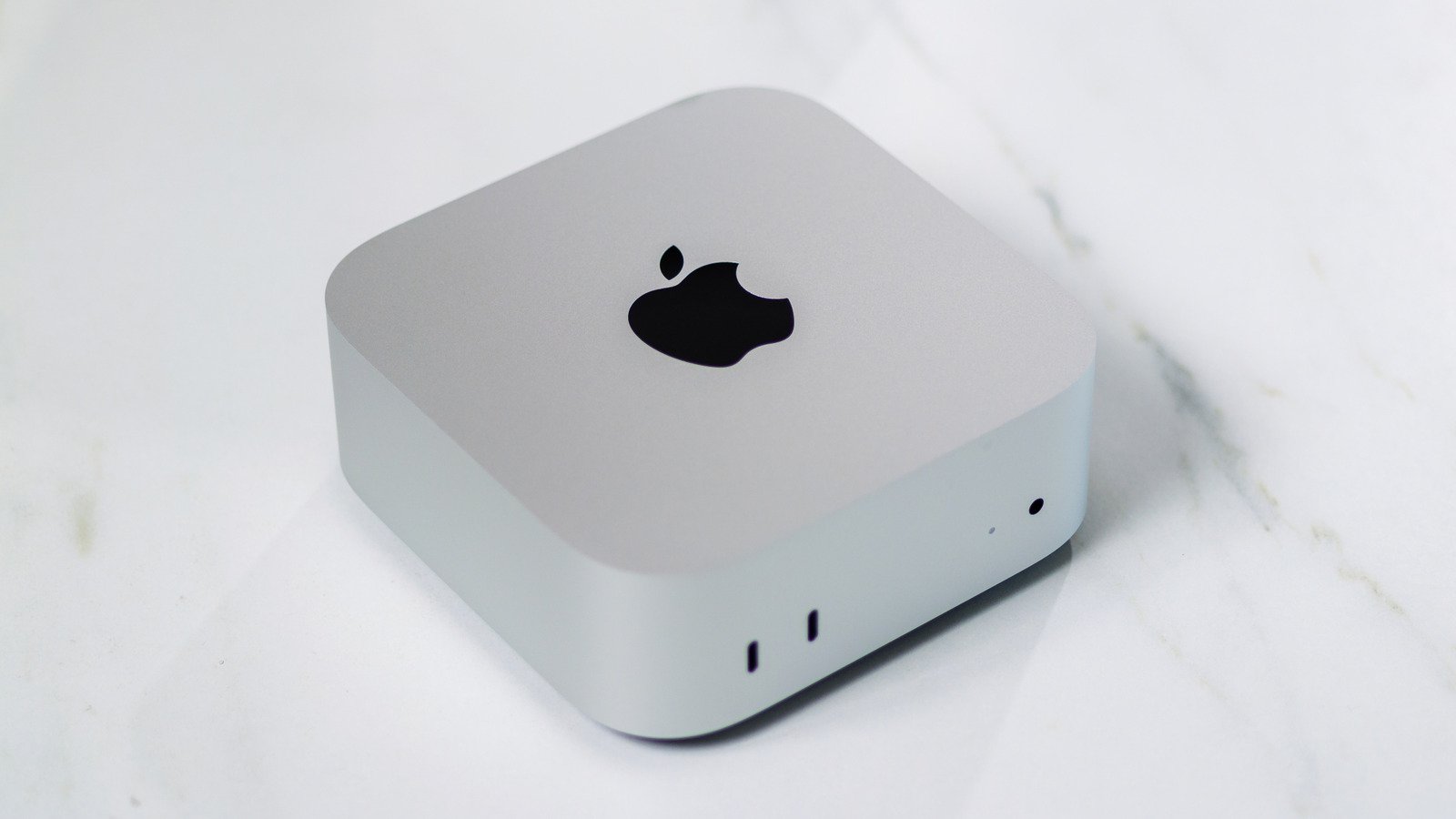
In contrast, the Mac mini does not face the same strict requirements for thinness or weight. Because it is a stationary device, it can utilize a more generous internal volume for airflow, anchored by its signature circular venting system at the base. This freedom allows the hardware to maintain sustained peak performance without the same degree of miniaturization required for a laptop. This efficiency in design reduces manufacturing complexity, allowing Apple to focus on delivering raw processing power through the M-series chips without needing to account for the portability costs associated with battery life optimization or ultra-thin motherboard layouts.
Portability Versus Desktop Utility
The decision to choose between a Mac mini and a MacBook often hinges on the user’s need for flexibility. The MacBook Air remains the standard for users who require a complete, portable computing solution. While the initial investment is higher, the inclusion of all necessary peripherals provides immediate utility. For students, professionals on the move, or anyone requiring the ability to transition between home and office, the added cost of the laptop form factor is an investment in versatility.
Conversely, the Mac mini serves a specific niche: the desktop power user. Because it lacks a screen and battery, the Mac mini excels in environments where a high-quality external monitor or specialized input devices are already in place. Furthermore, the Mac mini offers a superior selection of connectivity, often providing more Thunderbolt and USB-C ports than the base-model MacBook Air. For users who rely on external drives, studio-grade audio interfaces, or multiple displays, the mini reduces the need for expensive third-party docks or USB hubs.
Configuration and Scalability
One of the more nuanced aspects of Apple’s desktop lineup is the potential for configuration. While the Mac mini is not user-upgradable in the traditional sense—as components like RAM and storage are soldered directly to the system board—the factory options available at the point of purchase are extensive. Users can scale a Mac mini to handle intensive workflows, such as video rendering or software development, by opting for higher-tier M-series chips, increased unified memory, and expanded solid-state storage.
However, once a user enters the high-end configuration territory, the value proposition shifts. As prices approach the levels of the Mac Studio, it becomes necessary to weigh the benefits of the Mac mini’s portability-free design against the more robust thermal and I/O capabilities of the Studio line. The Mac mini remains an exceptional entry point for users wanting to tap into Apple’s silicon performance without the premium tax of integrated mobile peripherals, provided the user acknowledges the hidden costs of external hardware requirements. Ultimately, the price delta between these systems is not a result of “lesser” quality in the mini, but rather a reflection of the cost associated with the mobile hardware ecosystem inherent in the MacBook.
Disclaimer: This content is auto-generated for informational purposes only.
Source: Read Original News