








Massive Counter-Terror Operation Dismantles ISI-Backed Network Across 14 Indian States
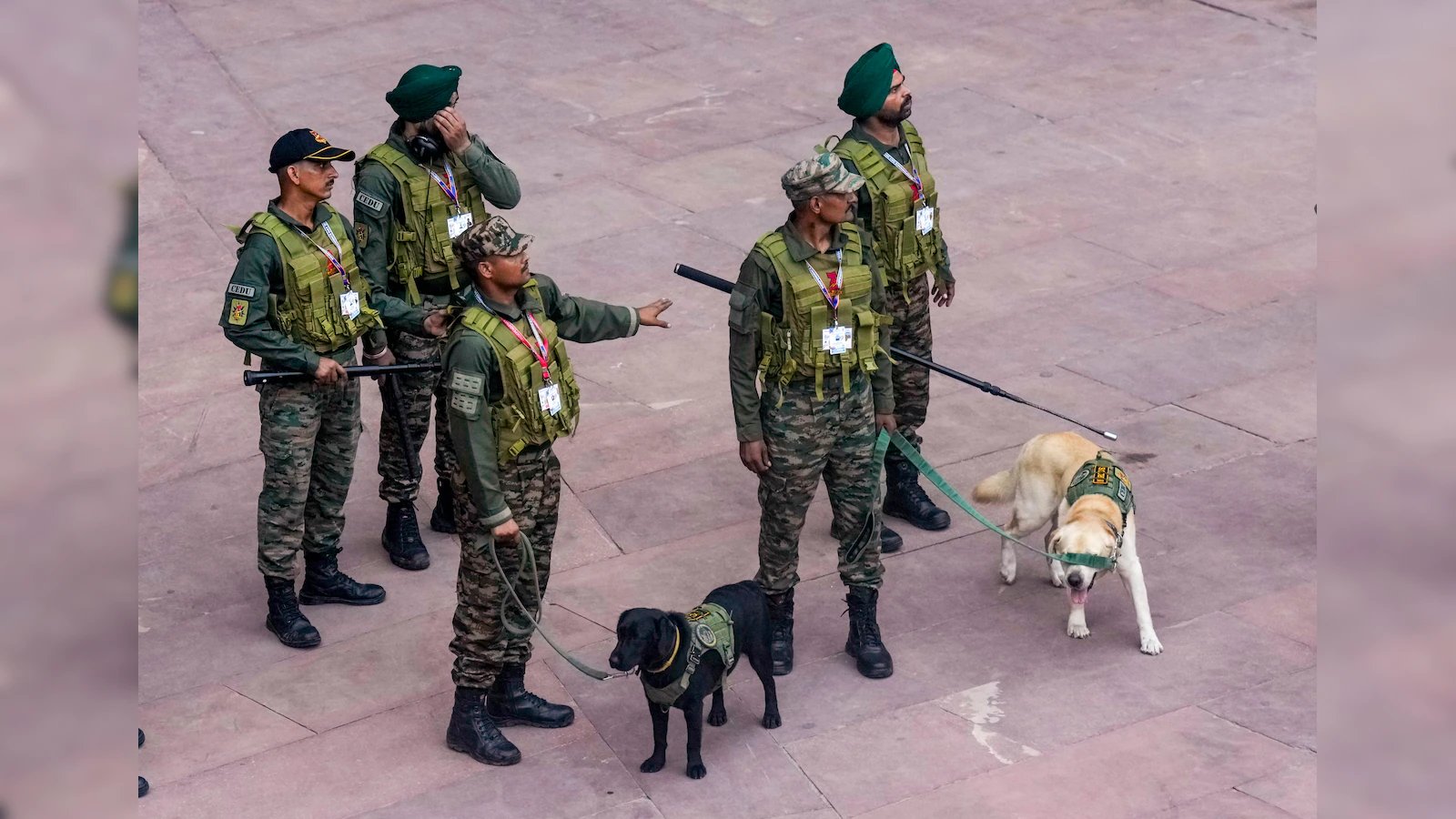
New Delhi: In one of the most extensive and coordinated counter-terrorism operations in recent years, Indian security agencies have successfully disrupted the Pakistan-based Shahzad Bhatti Network (SBN), an alleged Inter-Services Intelligence (ISI)-backed syndicate accused of orchestrating a range of terrorist activities across the nation. The large-scale crackdown, executed on August 12, resulted in the detention of 253 individuals across 14 states, shedding new light on the vast reach and alleged criminal enterprises of the network.
Union Home Minister Amit Shah lauded the operation as a significant victory against cross-border terrorism, declaring that security forces had effectively dismantled the Shahzad Bhatti Network and apprehended over 200 of its operatives. In a post on X (formerly Twitter), Shah highlighted the coordinated nature of the raids, which took place at multiple locations and yielded substantial recoveries. These included Improvised Explosive Devices (IEDs), grenades bearing Pakistan Ordnance Factory markings, pistols, live cartridges, and CCTV cameras believed to have been used for espionage.
The operation, driven by a real-time intelligence-sharing mechanism involving central agencies and various state police forces, has brought into sharp focus the SBN’s alleged involvement in grenade attacks, IED blasts, petrol bomb incidents, and targeted killings across India.
According to officials, the network operated through a sophisticated web of local handlers and operatives. Their assigned tasks reportedly included conducting reconnaissance of critical infrastructure such as police establishments, defense installations, and religious sites. Investigators suspect these operatives were financially compensated to gather intelligence, identify potential targets, and install surveillance equipment in proximity to sensitive locations.
The geographic spread of the detentions underscores the widespread presence of the SBN. The highest number of individuals, 62, were taken into custody in Uttar Pradesh for questioning. Haryana followed with 52 detentions, while Delhi recorded 51, and Punjab 44. Other states impacted by the operation include Rajasthan (15 detentions), Maharashtra (8), Uttarakhand (5), Karnataka (3), Gujarat (3), Bihar (3), Telangana (2), Himachal Pradesh (2), Jammu and Kashmir (2), and Kerala (2). Fresh First Information Reports (FIRs) have also been registered in Delhi and Karnataka as part of the ongoing investigation.
Officials confirmed that more than 80 FIRs and over 200 arrests linked to the Shahzad Bhatti Network have been made to date. These cases have been registered under various stringent laws, including the Unlawful Activities (Prevention) Act (UAPA), Bharatiya Nyaya Sanhita (BNS), Arms Act, NDPS Act, and the Explosive Substances Act.
The seizures made during the raids, including IEDs, pistols, live ammunition, surveillance equipment, and grenades with Pakistan Ordnance Factory markings, are considered crucial evidence. Agencies believe these findings will provide vital clues regarding the network’s suspected cross-border links.
Investigators are now meticulously examining financial transactions, communication records, and local support structures connected to the syndicate. Authorities anticipate further actions as investigations continue to identify and apprehend remaining operatives and facilitators associated with the network.
The Indian government has reiterated that this successful operation reflects its unwavering policy of zero tolerance towards terrorism. It also highlights the growing coordination and effectiveness of joint efforts between central and state agencies in tackling persistent cross-border security threats.