







India Poised to Defer New UPI Merchant Fees Amid Festive Season Concerns
New Delhi: The Indian government is reportedly leaning toward postponing the implementation of a controversial transaction fee on large Unified Payment Interface (UPI) payments. According to regulatory officials and industry insiders, the decision to delay the rollout is aimed at shielding consumer activity during the country’s high-stakes festive season.
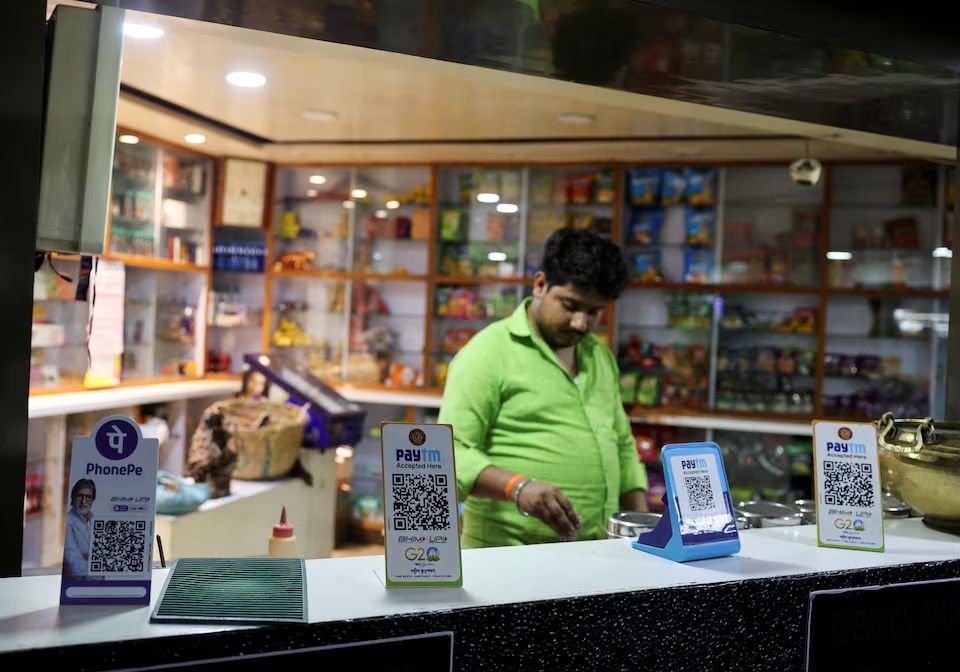
Last month, authorities announced the end of the zero-charge regime for UPI, introducing a 0.4% levy on merchant transactions exceeding 2,000 rupees (approximately US$21). The policy, initially scheduled to take effect on October 15, was expected to reshape the economics of India’s digital payment landscape, which serves over 500 million users—a demographic ranging from street vendors to premium electronics retailers.
Balancing Monetization and Consumer Sentiment
The proposed timeline for the new fee risked creating friction during the peak shopping months of October through December, a period characterized by a significant surge in consumer spending across the nation. By pushing back the introduction of the charge, the government hopes to ensure that retail payment processes remain seamless while providing the payments industry with additional time to upgrade its technical infrastructure and address compliance hurdles.
“The objective is to avoid any disruption to the momentum of digital adoption during the most critical financial quarter of the year,” said a source familiar with the internal deliberations. The National Payment Corp of India (NPCI) has yet to issue an official statement or respond to inquiries regarding the potential timeline shift.
Impact on Fintech Markets
The prospect of a delayed rollout has sent ripples through the stock market, as investors reassess the revenue outlook for the country’s leading digital payment companies. The fee was widely regarded as a pivotal monetization lever for fintech firms, which stood to receive a portion of the transaction proceeds.
Following reports of the impending delay, shares of prominent Indian digital payments entities experienced a sharp decline on Thursday. Paytm saw its share price drop by 7.6%, while One Mobikwik Systems recorded a slide of 7.2%. Market analysts suggest that while the delay may ease immediate pressure on merchants and consumers, it introduces uncertainty for investors who had factored the new revenue streams into their fiscal projections for payment providers.
The Future of UPI Monetization
UPI has been a runaway success story for India’s digital economy, effectively digitizing the informal economy and bringing millions into the formal financial fold. However, the cost of maintaining such a massive, high-frequency network has prompted ongoing debates regarding long-term financial sustainability.
While the industry maintains that monetizing large-ticket transactions is essential for the growth of payment service providers, policymakers remain cautious about any move that might discourage the adoption of digital modes of payment. For now, the focus remains on navigating the festive season without hindering the record-breaking transaction volumes that have become the hallmark of the UPI ecosystem. Stakeholders now await a formal announcement from regulatory bodies to clarify the revised implementation schedule.
Disclaimer: This content is auto-generated for informational purposes only.
Source: Read Original News